
YOLLKY 68105280AF
YOLLKY 433MHz TPMS Sensor Instruction Manual
Model: 68105280AF | Brand: YOLLKY
1. Product Overview
The YOLLKY 433MHz Tire Pressure Monitoring System (TPMS) Sensor is designed to monitor your vehicle's tire pressure and temperature in real-time, enhancing driving safety. This sensor is a direct OE replacement, ensuring a perfect fit and reliable performance. It is manufactured from durable alloy and ABS plastic, providing high hardness, shock resistance, and resistance to deformation.
Key Features:
- 433MHz Frequency: Ensures stable and accurate signal transmission.
- High Sensitivity: Provides precise tire pressure and temperature readings.
- Long Lifespan: Designed for extended durability and performance.
- Enduring Design: Robust construction for reliable operation.
- Meets OE Specifications: Guarantees compatibility and performance matching original equipment.
- Superior Electrical Qualities: For consistent and accurate data.
- Real-time Monitoring: Continuously tracks tire conditions to alert drivers of potential issues.

Figure 1: YOLLKY TPMS Sensor highlighting key features.

Figure 2: Exploded view of the TPMS Sensor components.

Figure 3: Multiple TPMS sensors illustrating their role in enhancing driving safety.

Figure 4: Visual representation of TPMS sensor alerts for various tire conditions.
2. Vehicle Compatibility
This TPMS sensor (Part Number: 68105280AF) is compatible with the following vehicle models. Please verify your vehicle's make, model, and year before purchasing to ensure proper fitment.
- Dodge: Dart (2013-2016), Durango (2016-2018)
- Chrysler: 200 (2015-2017), Pacifica (2017-2019)
- Jeep: Renegade (2015-2018), Grand Cherokee (2016-2019)
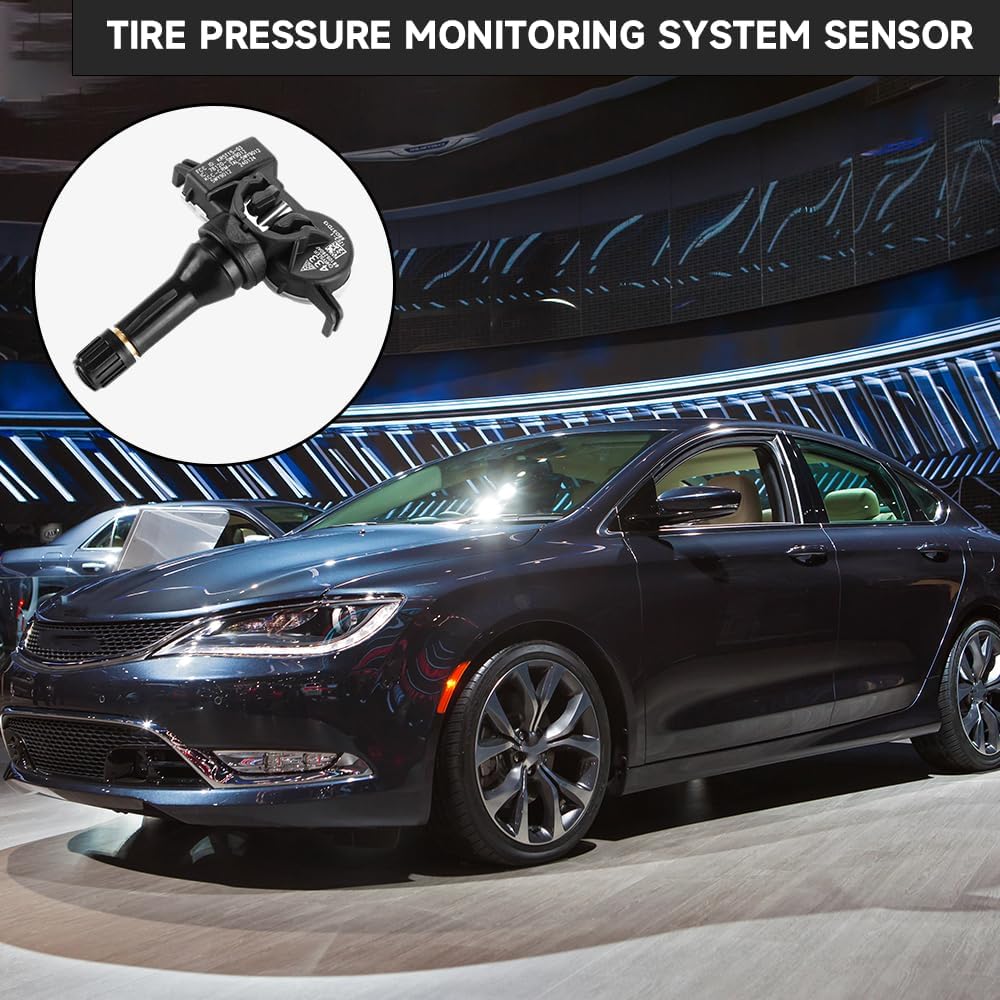
Figure 5: TPMS Sensor compatibility with various vehicle models.
3. Technical Specifications
| Specification | Value |
|---|---|
| Brand | YOLLKY |
| Model Number | 68105280AF |
| Manufacturer Part Number | 231001gu0048 |
| Material | Acrylonitrile Butadiene Styrene, Metal |
| Item Weight | 32 g |
| Measuring Range | 30 - 35 psi |
| Upper Temperature Rating | 185 Degrees Fahrenheit |
| Mounting Type | Flange Mount |
| Output Type | Digital |
| UPC | 768510633827 |
4. Installation Guide
Installing a TPMS sensor requires careful handling and specific tools. It is recommended to have this procedure performed by a qualified professional or to follow these steps precisely if you have the necessary experience and equipment.
General Installation Steps:
- Remove the Tire: Safely remove the wheel and tire assembly from the vehicle.
- Deflate and Disassemble: Remove the valve cap and core to fully deflate the tire. Use a tire changer to loosen the tire bead from the rim, being careful not to damage the existing sensor or the rim.
- Remove Old TPMS: Carefully unscrew and remove the old TPMS sensor from the valve stem hole using a tire valve tool.
- Install New TPMS: Insert the new YOLLKY TPMS sensor into the valve stem hole. Ensure the flat side of the sensor is facing towards the rim.
- Tighten the Sensor: Use a torque wrench to tighten the sensor to 4 Nm (Newton-meters) to ensure it is properly fastened.
- Pump Up the Tire: Reinstall the tire onto the rim and inflate it to the manufacturer's recommended pressure. This is crucial for the TPMS to function correctly.
- Perform Tire Balancing: Balance the tire to ensure smooth driving and prevent uneven wear.
- Reinstall the Tire: Mount the wheel and tire assembly back onto the vehicle.
Installation Video Reference:
Video 1: This video provides a comprehensive guide on how to install and relearn a TPMS sensor. It covers steps from removing the old sensor, installing the new one, inflating the tire, balancing, and various relearn procedures including Auto Relearn, OBDII Relearn, and Stationary Relearn. Note: The video features a generic TPMS sensor, but the installation and relearn principles apply to the YOLLKY 433MHz TPMS Sensor.
Video 2: A short video demonstrating the installation process of a pre-programmed tire pressure monitoring sensor. It shows the steps of removing the old sensor, installing the new one, and tightening it to the correct torque. Note: The video features a generic TPMS sensor, but the installation principles apply to the YOLLKY 433MHz TPMS Sensor.
5. Operating Instructions
Once installed and properly relearned, the YOLLKY TPMS sensor will automatically begin monitoring your tire pressure and temperature. The sensor transmits data wirelessly to your vehicle's onboard computer, which then displays the information on your dashboard or instrument cluster. If tire pressure falls below or rises above safe levels, or if there is a significant temperature change, the system will trigger a warning light or message to alert the driver.
Regularly check your dashboard for any TPMS warning indicators. A solid warning light typically indicates a low tire pressure condition, while a flashing light may indicate a sensor malfunction or a need for a relearn procedure.
6. Maintenance
To ensure the longevity and accuracy of your YOLLKY TPMS sensors, consider the following maintenance tips:
- Regular Tire Pressure Checks: Even with TPMS, it's good practice to manually check your tire pressure monthly with a reliable gauge.
- Valve Stem Care: Ensure the valve caps are always securely fastened to prevent moisture and dirt from entering the valve stem.
- Professional Installation: Always have new sensors installed by a professional to prevent damage during tire mounting.
- Battery Life: TPMS sensors have an internal battery designed to last for several years (typically 5-10 years). When the battery depletes, the entire sensor unit must be replaced.
7. Troubleshooting & Relearn Procedures
After installing new TPMS sensors or rotating tires, your vehicle's onboard computer needs to recognize the new sensor IDs. This process is called a
Ask a question about this manual
Ask about setup, troubleshooting, compatibility, parts, safety, or missing instructions. Manuals+ will review the question and use this page’s manual context to help answer it.