
1. Product Overview
This manual provides essential information for the VIPIH Drive Belt Transmission Belt, designed as a replacement component for specific Honda scooter models. The drive belt is a critical part of the Continuously Variable Transmission (CVT) system, responsible for transferring power from the engine to the rear wheel, enabling smooth acceleration and efficient operation.
This belt features a trapezoidal top-notch design and rounded inner cog construction, engineered to optimize heat dissipation and improve flexibility for consistent CVT performance.
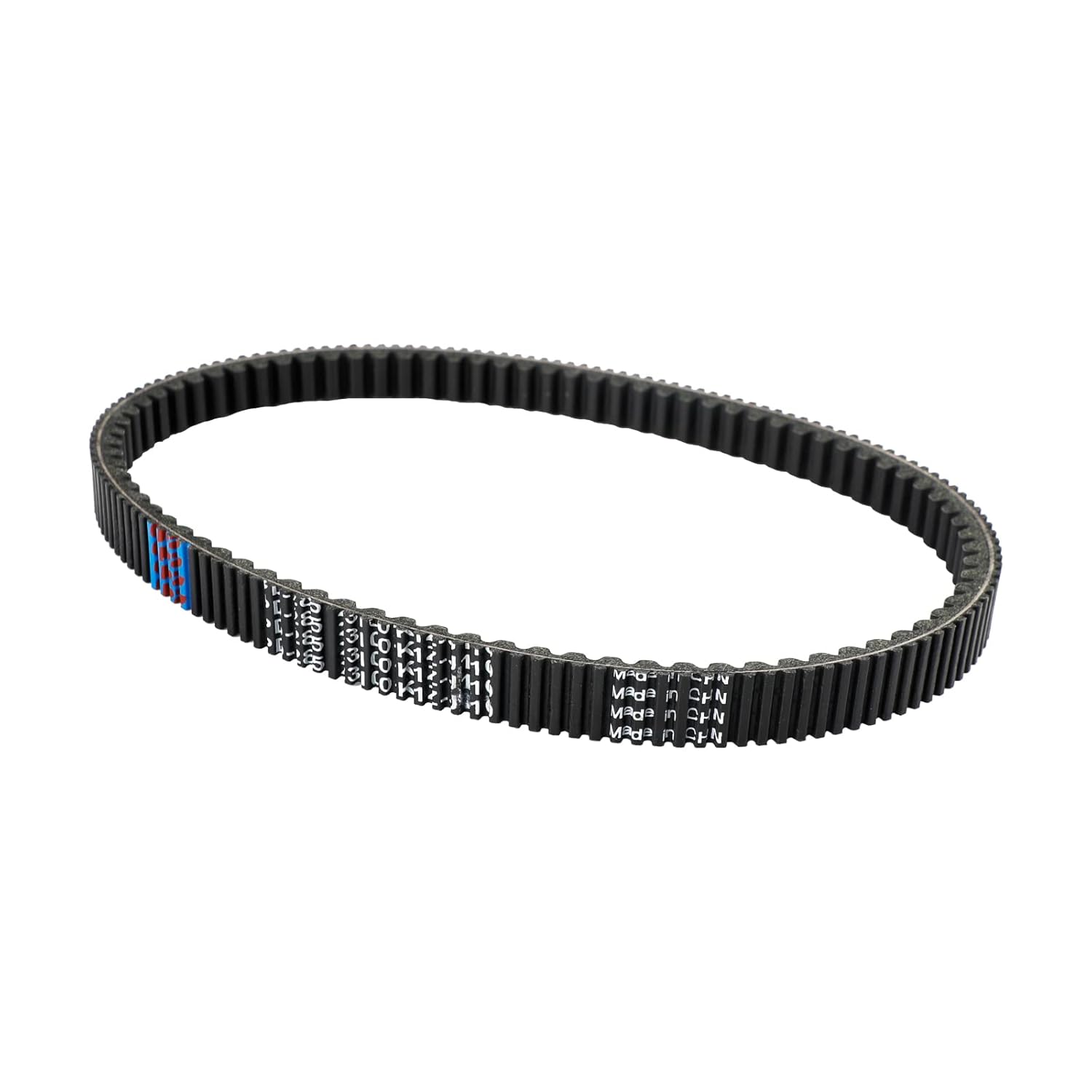
Image 1.1: The VIPIH Drive Belt Transmission Belt, shown in a coiled state, highlighting its overall shape and construction.
2. Specifications
| Feature | Detail |
|---|---|
| Brand | VIPIH |
| Material | Aramid fiber |
| Belt Style | Aramid Fiber Trapezoidal Top-Notch |
| Product Dimensions | 15.75 x 6.3 x 1.18 inches |
| Item Weight | 0.19 Kilograms (approximately 6.7 ounces) |
| Replacement Part Numbers | 23100-K1Y-D11, 23100-K1N-D01, 23100-K1Z-J11 |
3. Compatibility
This drive belt is compatible with the following Honda scooter models and years:
- Honda FSH125 SH125 MODE: 2021-2022
- Honda WW125 PCX125: 2021-2022
- Honda WW150 PCX150: 2021
- Honda WW160 PCX160: 2021-2022
Please verify the part numbers (23100-K1Y-D11, 23100-K1N-D01, 23100-K1Z-J11) against your vehicle's original belt or service manual to ensure proper fitment.
4. Installation Guidelines
Installation of a drive belt requires specific tools and mechanical knowledge. Professional installation is highly recommended to ensure correct fitment and optimal performance, as improper installation can lead to premature belt failure or damage to the CVT system.
General Installation Considerations:
- Safety First: Ensure the vehicle is turned off, on a stable stand, and the engine is cool before beginning any work. Disconnect the battery if necessary.
- Access the CVT Cover: Remove the outer CVT cover to expose the variator and clutch assemblies.
- Remove Old Belt: Carefully remove the old drive belt. Inspect the variator and clutch pulleys for wear or damage. Clean any dust or debris from the CVT housing.
- Install New Belt: Position the new VIPIH drive belt onto the variator and clutch pulleys. Ensure the belt is seated correctly and not twisted. The rounded inner cog construction is designed to improve clutch pulley intake and out-feed.
- No Recalibration Required: This belt is designed to match belt shift curves and pulley speed ratios without requiring clutch recalibration or variator spring/fly-weight adjustments at installation.
- Reassemble: Reinstall the CVT cover and any other components removed during the process. Ensure all fasteners are tightened to the manufacturer's specifications.
- Test Operation: After installation, start the engine and perform a low-speed test ride to confirm proper operation of the CVT system.
Detailed installation instructions specific to your scooter model are typically found in the vehicle's service manual.

Image 4.1: A close-up view of the drive belt's teeth and printed markings, indicating its design and specifications.
5. Maintenance
Regular inspection and timely replacement are crucial for maintaining the performance and longevity of your scooter's CVT system.
Maintenance Recommendations:
- Routine Inspection: Periodically inspect the drive belt for signs of wear, cracking, fraying, glazing, or missing teeth. Refer to your scooter's service manual for recommended inspection intervals.
- Clean CVT Area: Keep the CVT housing clean and free of dust, dirt, and oil, which can accelerate belt wear.
- Avoid Overloading: Operating the scooter within its recommended load capacity helps prevent excessive stress on the drive belt.
- Smooth Operation: Avoid aggressive acceleration and sudden braking, which can put undue strain on the belt.
- Timely Replacement: Replace the drive belt according to your scooter manufacturer's recommended service schedule or at the first sign of significant wear.

Image 5.1: A side profile view of the drive belt, illustrating its thickness and the structure of its cogs.
6. Troubleshooting
If you experience issues with your scooter's transmission after belt replacement, consider the following common troubleshooting steps:
Common Issues and Solutions:
- Slipping Belt: If the belt appears to be slipping, ensure it is correctly seated on both pulleys. Check for any oil or grease contamination on the belt or pulleys. Verify that the belt is the correct size for your model.
- Unusual Noises: Squealing or grinding noises from the CVT area can indicate a worn belt, misaligned pulleys, or issues with other CVT components (e.g., variator rollers, clutch shoes). Inspect all components thoroughly.
- Loss of Power/Poor Acceleration: This can be a symptom of a worn or incorrect belt, or other CVT component issues. Ensure the belt is not stretched or damaged.
- Belt Too Long/Loose: As noted in some user feedback, ensure the belt is the correct length for your specific model and year. An incorrect belt length can cause slapping in the housing or poor performance. Double-check compatibility before installation.
If troubleshooting does not resolve the issue, it is advisable to consult a qualified mechanic or refer to your scooter's official service manual for detailed diagnostic procedures.
7. Warranty and Support
For information regarding product warranty, returns, or technical support, please contact VIPIH directly through their official channels or the retailer from whom the product was purchased. Keep your purchase receipt or order details handy when contacting support.
Manufacturer: VIPIH
Date First Available: December 23, 2023