
SDTYYP 36V 15Ah 540Wh E-Bike Battery
SDTYYP 36V 15Ah 540Wh E-Bike Battery Instruction Manual
Model: 36V 15Ah 540Wh E-Bike Battery
1. Introduction
This manual provides essential information for the safe and effective use of your SDTYYP 36V 15Ah 540Wh E-Bike Battery. Please read these instructions carefully before installation, charging, or operation to ensure optimal performance and longevity of your battery.
The SDTYYP 36V 15Ah 540Wh E-Bike Battery is designed as a replacement or upgrade for electric bicycles, compatible with various models including ESKUTE-Bike Polluno and Netuno Pro series. It features high-quality lithium cells and an advanced Battery Management System (BMS) for enhanced safety and efficiency.
2. Product Overview
The SDTYYP E-Bike Battery is a robust power source for your electric bicycle. It comes with a dedicated charger and necessary accessories for installation.

Figure 2.1: General view of the SDTYYP 36V 15Ah 540Wh E-Bike Battery.
2.1 Battery Components
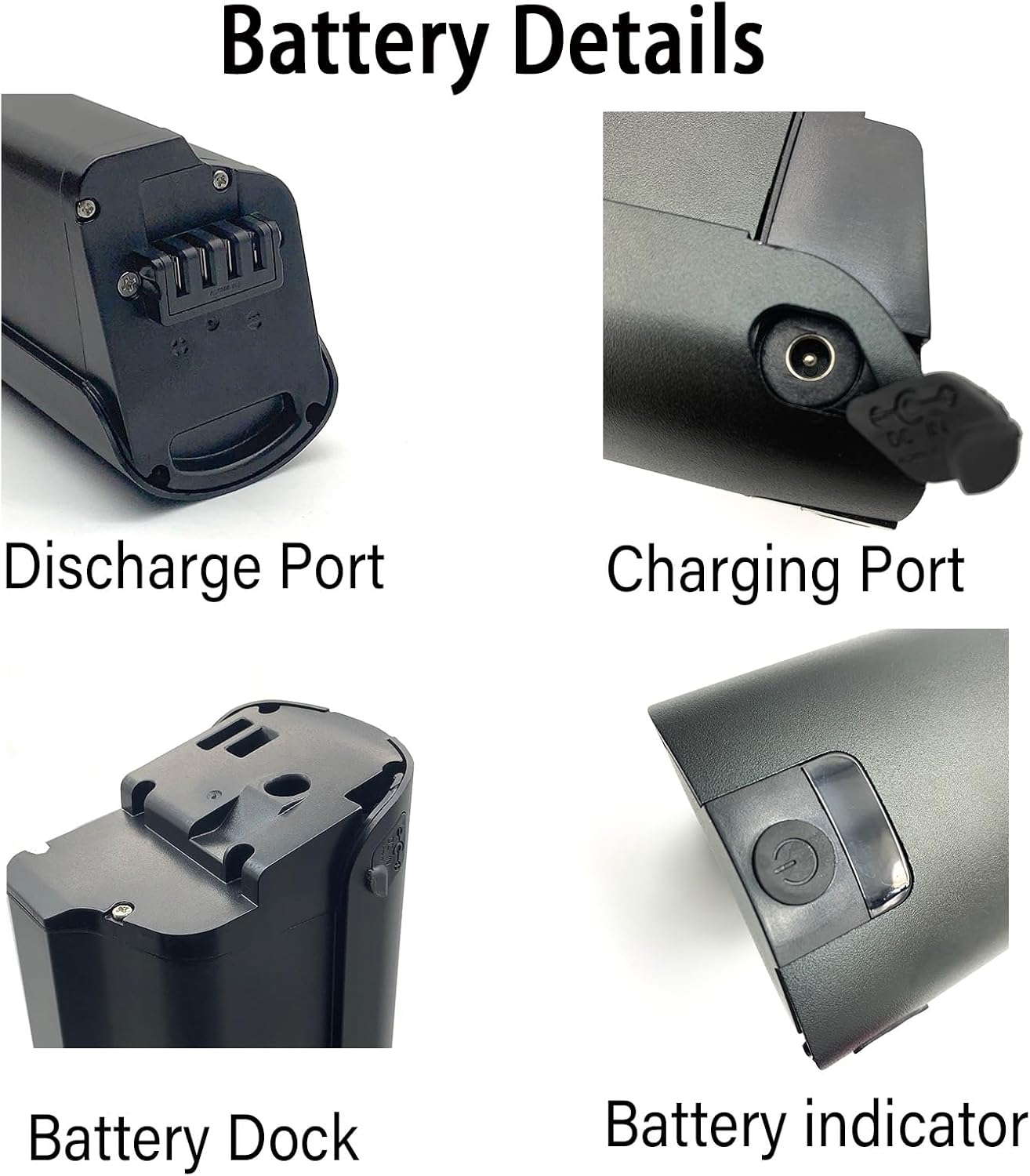
Figure 2.2: Detailed view of the battery, highlighting the discharge port, charging port, battery dock, and battery indicator.
The battery features a dedicated discharge port for power output to the motor, a charging port for connecting the charger, a secure battery dock interface for mounting, and an indicator to display the charge level.
2.2 Internal Structure
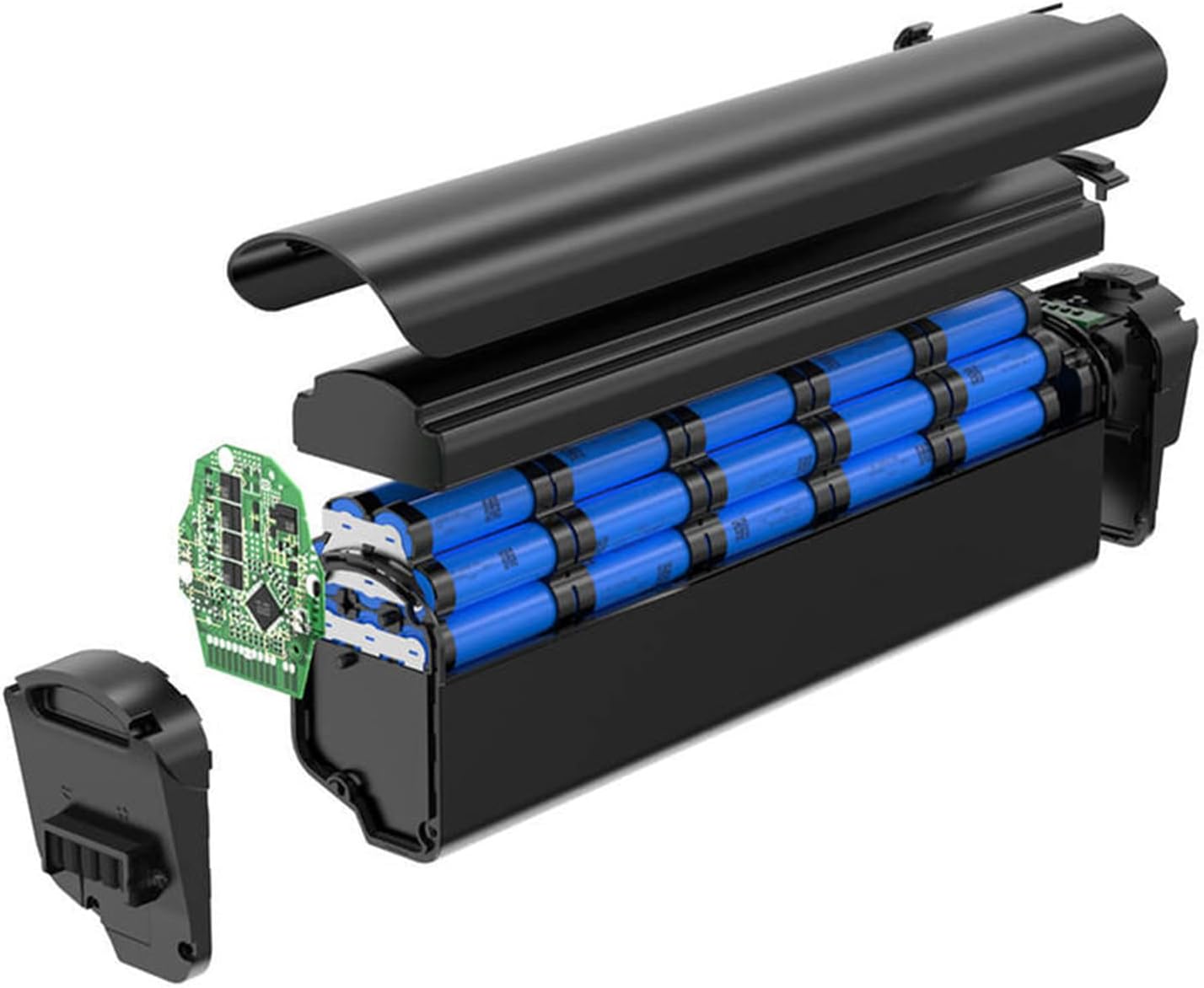
Figure 2.3: Exploded view illustrating the internal structure, including the individual lithium cells and the Battery Management System (BMS) circuit board.
The battery is constructed with 50 integrated A+ grade automotive cells, ensuring high quality and a longer cycle life. The internal BMS circuit board manages power distribution and safety functions.
2.3 Included Accessories
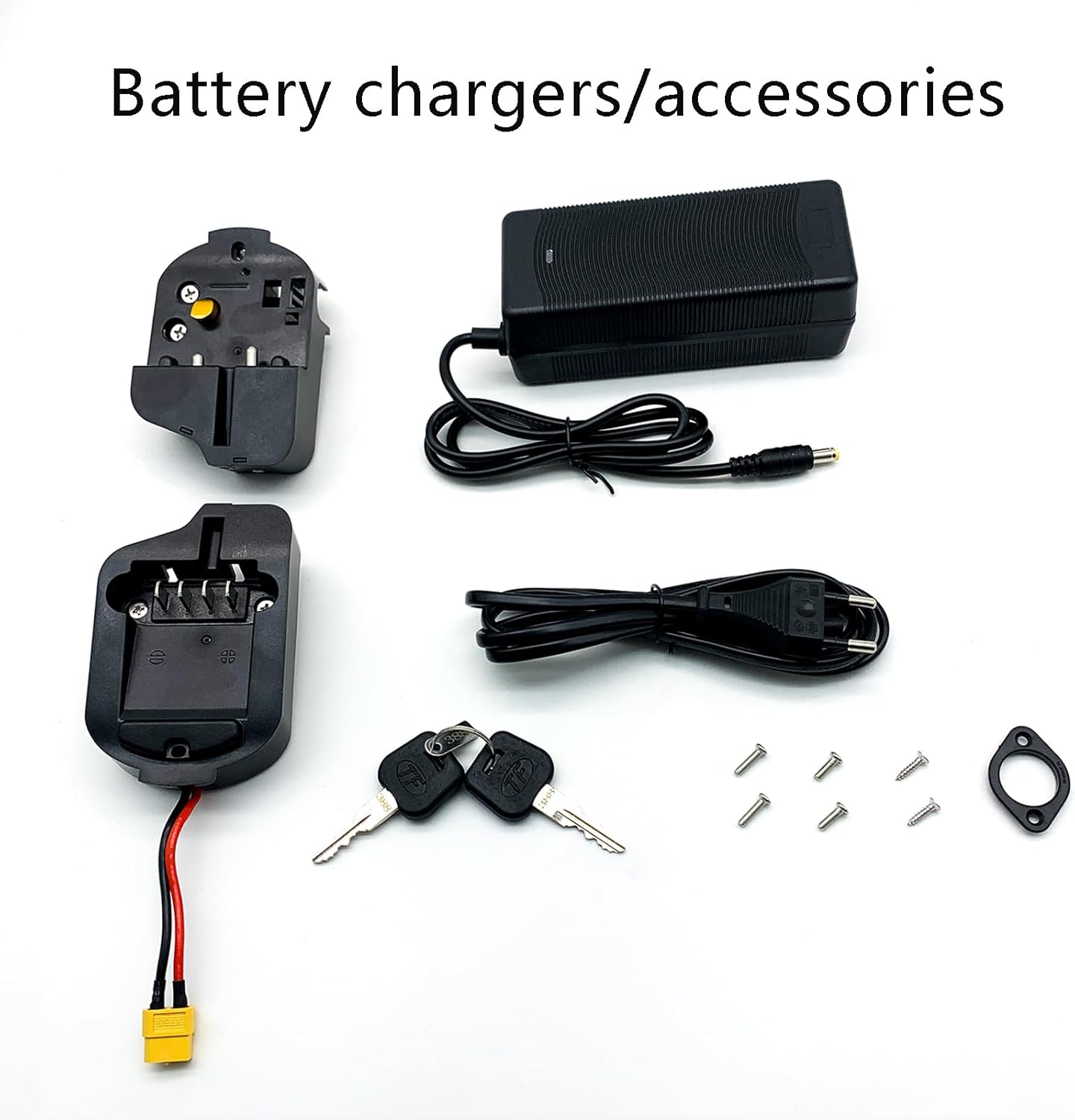
Figure 2.4: The battery package includes a dedicated charger, keys for securing the battery, and mounting hardware.
The package typically includes the battery, a 42V 3A DC2.1 charger, two keys, and screws for installation.
3. Specifications
| Parameter | Value |
|---|---|
| Battery Voltage | 36V |
| Battery Capacity | 15Ah |
| Energy Content | 540Wh |
| Maximum Constant Discharge Current (BMS) | 25A |
| Compatible Motor Power | 250W / 350W / 500W / 750W |
| Charger Output | 42V 3A (DC2.1 plug) |
| Battery Dimensions (L*W*H) | 415mm * 109mm * 74.5mm |
| Cell Type | A+ Grade Automotive Cells |

Figure 3.1: Detailed dimensions of the battery, showing length, width, and height.
Important: Before purchasing, carefully confirm the size of your original battery and the battery compartment on your e-bike to ensure compatibility with the dimensions provided (415mm x 109mm x 74.5mm).
4. Setup and Installation
Proper installation is crucial for the battery's performance and safety.
- Verify Compatibility: Before installation, ensure the battery's dimensions (415*109*74.5mm) match your e-bike's battery compartment. Compare the battery dock interface with your existing setup.
- Mount the Battery Dock: If replacing an existing dock or installing on a new bike, use the provided screws to securely attach the battery dock to your e-bike frame. Ensure it is firmly fixed and stable.
- Insert the Battery: Carefully slide the battery into the mounted battery dock. Ensure it clicks securely into place.
- Secure with Key: Use the provided key to lock the battery into the dock. This prevents theft and ensures the battery remains in place during riding.
- Connect to Motor: Ensure the battery's discharge port is correctly connected to your e-bike's motor system.
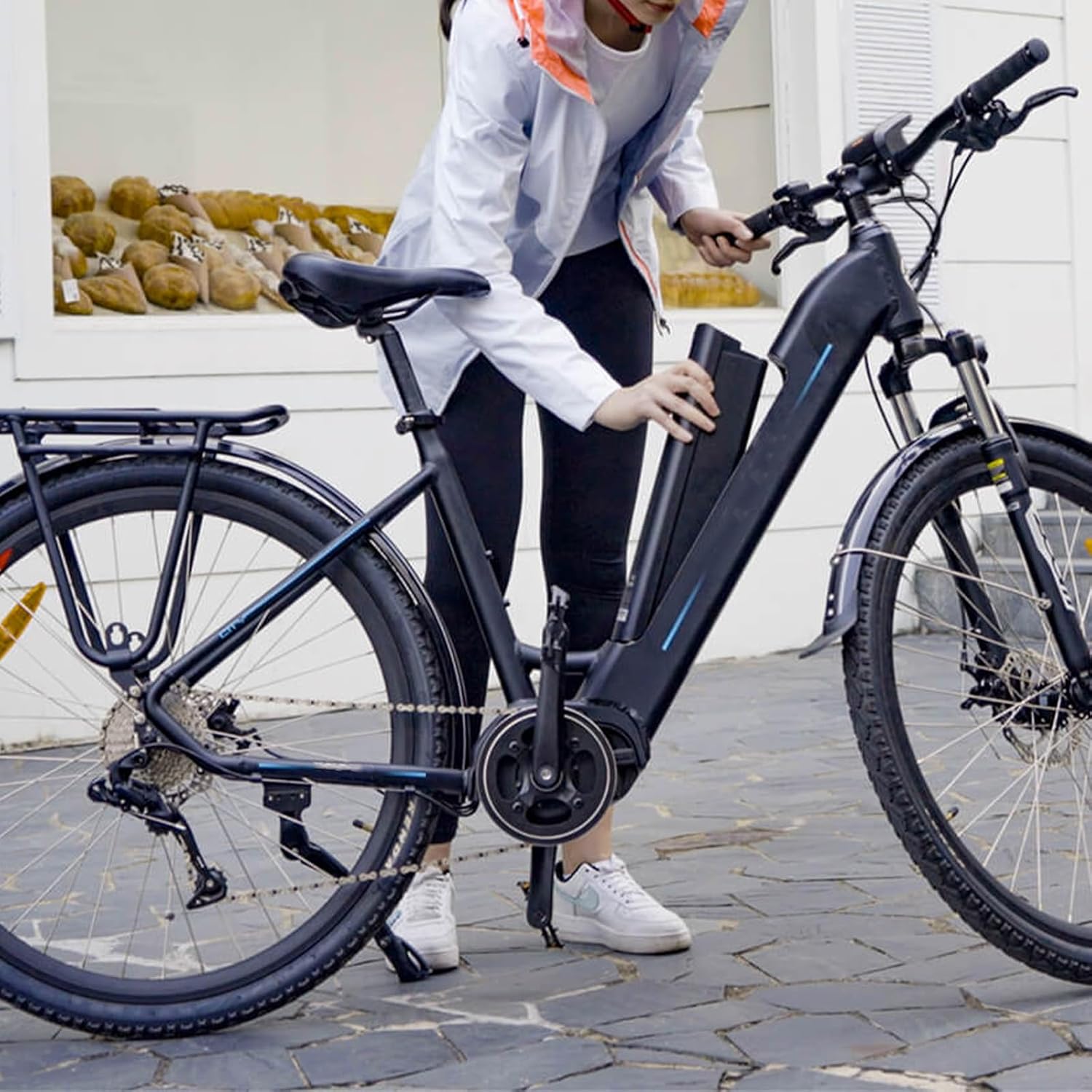
Figure 4.1: Illustration of a user installing the battery into an e-bike frame.
5. Charging Instructions
Follow these steps to safely charge your SDTYYP E-Bike Battery:
- Prepare for Charging: Ensure the battery is turned off. It can be charged either on or off the e-bike.
- Connect Charger: Plug the DC2.1 connector of the provided 42V 3A charger into the battery's charging port.
- Connect to Power: Plug the charger's power cord into a standard wall outlet (AC 100-240V).
- Monitor Charging: The charger typically has an indicator light (e.g., red for charging, green for fully charged). Monitor this light.
- Disconnect: Once fully charged, disconnect the charger from the wall outlet first, then from the battery.
Note: Only use the charger provided with your SDTYYP battery. Using an incompatible charger may damage the battery or pose a safety risk.
6. Operation and Usage
To operate your e-bike with the SDTYYP battery:
- Turn On Battery: Locate the power button on the battery (refer to Figure 2.2) and press it to turn on the battery. The battery indicator lights will illuminate, showing the current charge level.
- Engage E-Bike System: Turn on your e-bike's display or control panel. The battery should now be recognized by the e-bike's system.
- Ride: Use your e-bike as intended, utilizing the pedal assist or throttle (if applicable) functions.
- Monitor Charge: Periodically check the battery indicator on the battery or your e-bike's display to monitor the remaining charge.
- Turn Off Battery: After your ride, turn off the battery using its power button to conserve charge.
7. Safety and Protection
Your SDTYYP E-Bike Battery is equipped with a 25A Battery Management System (BMS) protection board to ensure user safety and battery longevity. This BMS provides multiple layers of protection:
- Overcharge Protection: Prevents the battery from being charged beyond its safe voltage limit.
- Over-discharge Protection: Prevents the battery from being discharged below its safe voltage limit, protecting cell integrity.
- Overcurrent Protection: Safeguards against excessive current draw, which can damage the battery and motor.
- Short-circuit Protection: Automatically cuts off power in case of a short circuit.
- Temperature Protection: Monitors battery temperature to prevent overheating.
- Balance Control: Ensures all cells in the battery pack are charged and discharged evenly.
- Anti-reverse Charging: Prevents current from flowing in the wrong direction.
- Over-voltage Protection: Protects against voltage spikes.
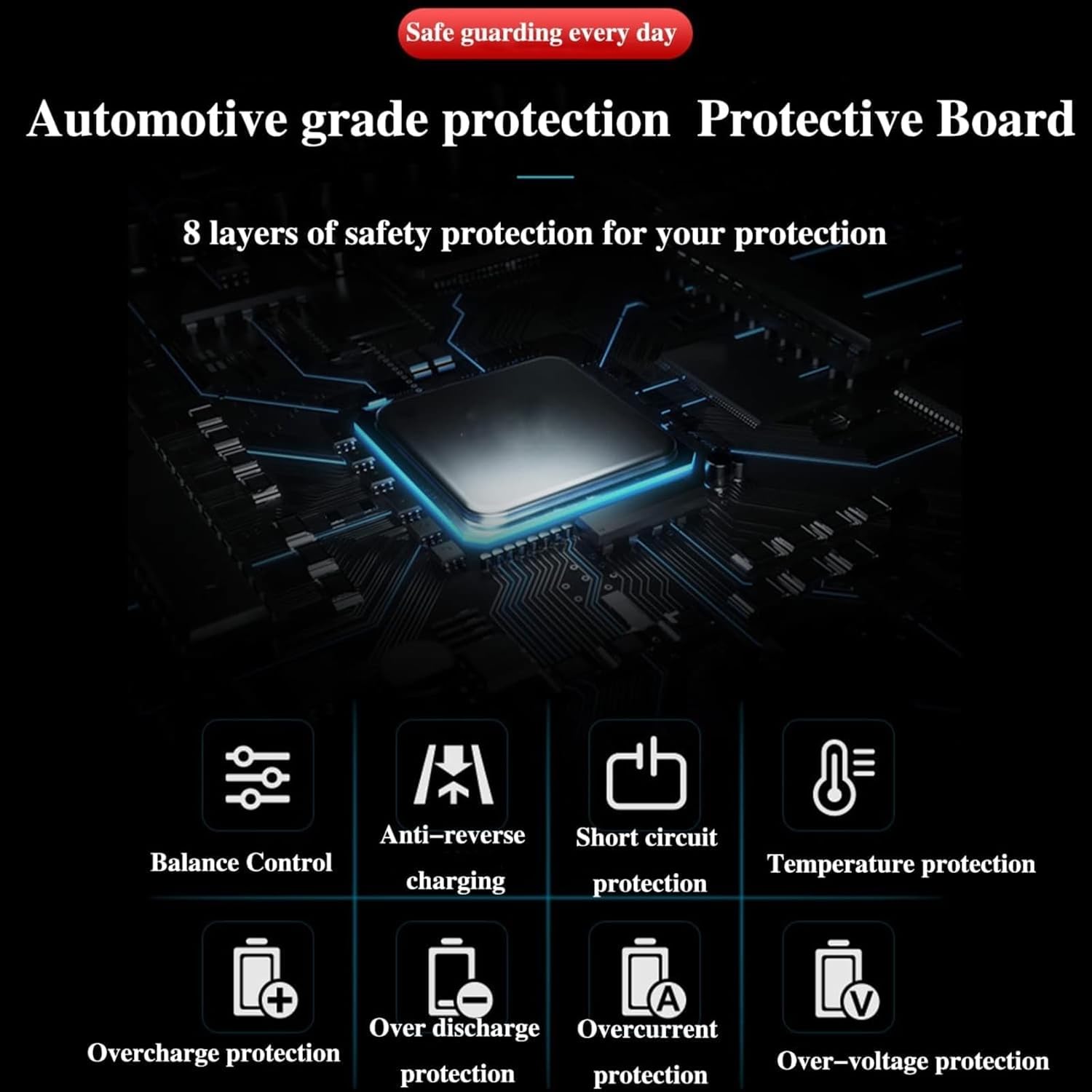
Figure 7.1: Visual representation of the comprehensive safety features provided by the automotive-grade protection board.
Despite these protections, always handle the battery with care and avoid physical damage, extreme temperatures, or exposure to water.
8. Maintenance
To maximize the lifespan and performance of your battery:
- Regular Charging: Charge the battery regularly, even if not in frequent use. Avoid letting the battery remain fully discharged for extended periods.
- Storage: If storing the battery for a long time, charge it to approximately 50-60% capacity and store it in a cool, dry place away from direct sunlight and extreme temperatures. Recharge it every 2-3 months.
- Cleaning: Keep the battery and its contacts clean and dry. Use a soft, dry cloth to wipe off any dust or dirt.
- Avoid Impact: Protect the battery from drops, impacts, and vibrations.
- Temperature: Operate and charge the battery within recommended temperature ranges (typically 0°C to 45°C for charging, -20°C to 60°C for discharging).
9. Troubleshooting
If you encounter issues with your battery, consider the following:
- Battery Not Charging:
- Ensure the charger is correctly plugged into both the battery and the wall outlet.
- Check if the wall outlet is functional.
- Verify the charger's indicator light. If it remains green when connected to a low battery, the charger or battery may be faulty.
- Battery Not Powering E-Bike:
- Ensure the battery is fully charged and turned on.
- Check that the battery is securely locked into its dock.
- Verify all connections between the battery and the e-bike's motor system.
- Check the e-bike's display or control panel for error codes.
- Reduced Range:
- Battery capacity can decrease over time with usage cycles.
- Factors like terrain, rider weight, tire pressure, and ambient temperature can affect range.
- Ensure the battery is being fully charged.
For persistent issues, please contact customer support.
10. Warranty and Support
SDTYYP offers comprehensive support for your product:
- Warranty: Enjoy 18 months of free maintenance from the date of purchase.
- Lifetime Advice: SDTYYP provides lifetime technical advice and support for its products.
- Customer Service: If you have any questions, suggestions, or require assistance with this product, please contact us directly via Amazon messages. Our support team aims to provide a solution within 24 hours.
Ask a question about this manual
Ask about setup, troubleshooting, compatibility, parts, safety, or missing instructions. Manuals+ will review the question and use this page’s manual context to help answer it.