
1. Product Overview
The XYWHPGV Spring Band Hose Clamps are self-tensioning sealing components designed for securing and sealing various hose interfaces. Made from durable 65 Mn spring steel, these clamps offer great flexibility and strength, ensuring a reliable and leak-proof connection. They are ideal for a wide range of applications including fuel lines, air hose pipes, water pipes, and silicone vacuum hoses in power equipment, automatic tools, fire fighting equipment, and other mechanical systems.
This package contains 100 pieces of 6mm (1/4 inch) inner diameter clamps, suitable for hoses with an outer diameter of approximately 7.1mm. Their robust construction allows them to resist corrosion and rust in most environments, ensuring long-lasting performance.
2. Specifications
| Feature | Detail |
|---|---|
| Brand | Generic |
| Model Number | 62ba91923c1e638701fef42a5415be |
| Material | 65 Mn Spring Steel |
| Inner Diameter | 6mm (1/4 inch) |
| Compatible Hose OD | Approx. 7.1mm |
| Quantity | 100 pieces (+/- 2) |
| Color | Multicolor |
| Style | Manual |
| Mounting Type | Click |
| Special Features | Portable, Quiet |
| Country of Origin | China |
3. Setup and Installation
These spring band clamps are designed for easy and reusable installation. Follow these general steps for proper setup:
- Select the Correct Clamp: Ensure the inner diameter of the clamp is slightly smaller (approximately 1mm) than the outer diameter of the hose you intend to secure. This ensures a tight, leak-proof seal.
- Prepare the Hose and Fitting: Ensure both the hose end and the fitting are clean and free from debris or lubricants that could compromise the seal.
- Position the Clamp: Place the spring band clamp over the end of the hose.
- Attach the Hose to the Fitting: Slide the hose onto the fitting until it is fully seated.
- Secure the Clamp: Position the clamp over the connection point where the hose meets the fitting. The self-tensioning design of the clamp will automatically apply pressure to create a secure seal. No special tools are typically required for tightening, as the design allows for easy application.
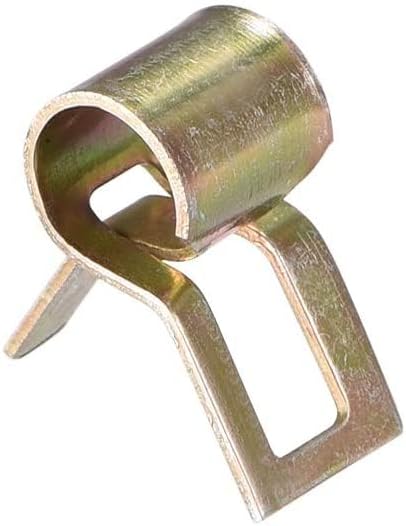
Figure 1: A single XYWHPGV spring band hose clamp, showcasing its design. This clamp is used to secure hoses to fittings, preventing leaks.

Figure 2: A close-up view of an XYWHPGV spring band hose clamp, highlighting its 6mm inner diameter. This measurement is crucial for selecting the correct clamp size for your hose.
4. Operating Principles
The XYWHPGV spring band clamps operate on a self-tensioning principle. The spring steel material provides continuous radial force around the hose, adapting to changes in temperature and pressure to maintain a consistent seal. This design minimizes the risk of leaks caused by material expansion or contraction.
These clamps are particularly effective in applications where a secure, leak-proof connection is critical, such as:
- Fuel lines for various power equipment.
- Air hose pipes in pneumatic systems.
- Water pipes in cooling or fluid transfer systems.
- Silicone vacuum hoses in automotive or industrial applications.
- Connections in automatic tools and mechanical equipment.
5. Maintenance and Care
XYWHPGV spring band clamps are designed for durability and minimal maintenance. However, periodic inspection can help ensure their continued performance:
- Visual Inspection: Regularly check clamps for any signs of damage, deformation, or corrosion. While designed to resist rust, extreme conditions may affect their integrity over time.
- Hose Condition: Inspect the hose itself for cracks, hardening, or softening near the clamp, which could indicate a potential leak point.
- Reusability: These clamps are reusable. When removing, do so carefully to avoid deforming the clamp. If a clamp appears stretched or damaged, replace it with a new one to ensure a secure seal.
- Storage: Store unused clamps in a dry environment to prevent premature corrosion.
6. Troubleshooting
Most issues related to hose clamps involve leaks or insecure connections. Here are common troubleshooting steps:
- Leakage at Connection:
- Incorrect Clamp Size: Ensure the clamp's inner diameter is slightly smaller than the hose's outer diameter. A clamp that is too large will not provide adequate sealing pressure.
- Damaged Clamp: Inspect the clamp for any bends, cracks, or loss of spring tension. Replace if damaged.
- Damaged Hose or Fitting: Check the hose end and the fitting for any damage, burrs, or irregularities that prevent a smooth seal.
- Improper Installation: Ensure the clamp is positioned correctly over the connection point and the hose is fully seated on the fitting.
- Clamp Does Not Hold Securely:
- Loss of Spring Tension: Over time or with repeated use, the spring steel may lose some of its tension. Replace the clamp if it no longer provides firm pressure.
- Contamination: Ensure there is no oil, grease, or other contaminants on the hose or fitting surface that could cause the clamp to slip.
If issues persist after troubleshooting, consider consulting a professional or replacing the affected components.
7. Package Contents
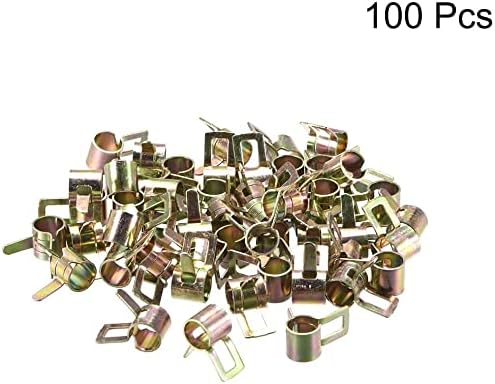
Figure 3: A large quantity of XYWHPGV spring band hose clamps, representing the typical package content of 100 pieces.
Each package of XYWHPGV Spring Band Hose Clamps typically includes:
- 100 (+/- 2) pieces of 6mm (1/4 inch) Spring Band Clamps.
8. Warranty and Support
Specific warranty information for XYWHPGV Spring Band Hose Clamps is not provided in the product details. For any inquiries regarding warranty, returns, or technical support, please contact the seller or the manufacturer directly through the platform where the product was purchased.
Please refer to your purchase receipt or order details for seller contact information.
9. Important Safety Information
While these clamps are simple to use, always observe basic safety precautions:
- Wear appropriate personal protective equipment (PPE), such as gloves and eye protection, when handling tools and components.
- Ensure that the system (e.g., fuel line, air line) is depressurized and cooled before attempting to install or remove clamps.
- Do not use damaged or improperly sized clamps, as this can lead to leaks or system failure.
- Keep small parts away from children to prevent choking hazards.