
1. Introduction
This manual provides essential information for the proper installation, function, and maintenance of the XYohykai 295050-1760 Fuel Injector. Please read this manual thoroughly before attempting any installation or service to ensure safe and correct usage. This fuel injector is designed for specific applications, including the DENSO Mitsubishi L200 Triton 4N15 Engine.
2. Safety Information
Warning: Improper installation or handling of fuel system components can lead to serious injury, fire, or damage to the vehicle. Always observe the following safety precautions:
- Always disconnect the vehicle's battery before working on the fuel system.
- Ensure the engine is cool before beginning any work.
- Relieve fuel system pressure according to the vehicle manufacturer's service manual before disconnecting fuel lines.
- Wear appropriate personal protective equipment (PPE), including safety glasses and gloves.
- Work in a well-ventilated area, away from open flames or ignition sources.
- Fuel is highly flammable. Handle with extreme care and clean up any spills immediately.
- If you are not confident in your ability to perform the installation, seek assistance from a qualified automotive technician.
3. Product Overview
The XYohykai 295050-1760 Fuel Injector is a precision component designed to deliver fuel to the engine's combustion chambers. It is a direct replacement part for specific DENSO and Mitsubishi applications.
- Part Name: Fuel Injector
- Part Number: 295050-1760
- Application: For DENSO Mitsubishi L200 Triton 4N15 Engine
- Material: Metal
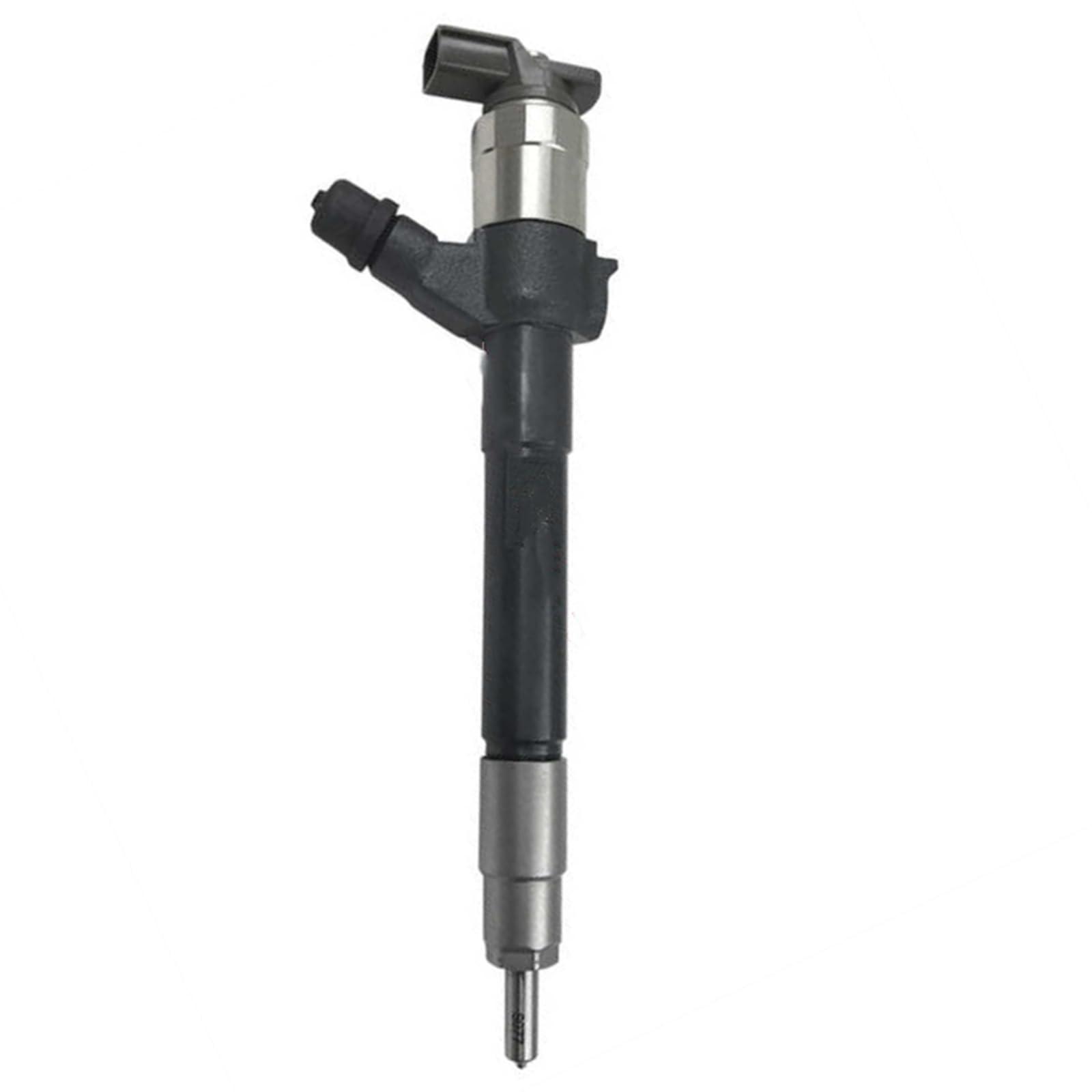
Figure 3.1: XYohykai 295050-1760 Fuel Injector. This image shows the complete fuel injector unit, highlighting its metallic construction and typical form factor.
4. Setup and Installation
Installation of a fuel injector requires specialized tools and knowledge. It is highly recommended that installation be performed by a certified automotive technician. The following steps are general guidelines and should be supplemented by the vehicle's specific service manual.
- Preparation:
- Ensure the engine is off and cool.
- Disconnect the negative terminal of the vehicle's battery.
- Relieve fuel system pressure according to the vehicle manufacturer's instructions.
- Gather necessary tools and replacement parts, including new O-rings and seals.
- Access: Locate the fuel rail and injectors. This may require removing other engine components (e.g., intake manifold, air filter housing).
- Removal of Old Injector:
- Disconnect the electrical connector from the injector.
- Remove any retaining clips or bolts securing the injector to the fuel rail or intake manifold.
- Carefully pull the old injector out. Be prepared for residual fuel leakage.
- Inspect the injector bore for debris and clean as necessary.
- Installation of New Injector:
- Lubricate new O-rings with clean engine oil or a suitable lubricant to prevent damage during installation.
- Carefully insert the new XYohykai 295050-1760 Fuel Injector into its bore, ensuring it seats properly.
- Secure the injector with retaining clips or bolts, tightening to the manufacturer's specified torque.
- Reconnect the electrical connector, ensuring a secure connection.
- Reassembly and Testing:
- Reinstall any components removed to gain access.
- Reconnect the vehicle's battery.
- Turn the ignition to the "ON" position (without starting the engine) several times to prime the fuel system and check for leaks.
- Start the engine and carefully inspect for any fuel leaks or abnormal operation.
Note: Always refer to the vehicle's specific service manual for detailed, model-specific installation procedures and torque specifications.
5. Operating Principles
A fuel injector is an electronically controlled valve that sprays atomized fuel into the engine's intake manifold or directly into the combustion chamber. The Engine Control Unit (ECU) determines the precise timing and duration of the fuel spray based on various engine parameters (e.g., engine speed, load, temperature). The XYohykai 295050-1760 Fuel Injector ensures optimal fuel delivery for efficient combustion and engine performance when correctly installed and functioning.
6. Maintenance
Fuel injectors are generally designed to be maintenance-free for their operational lifespan. However, their longevity and performance can be significantly affected by fuel quality and overall engine health. Consider the following for optimal performance:
- Fuel Quality: Use high-quality fuel from reputable sources to minimize the risk of deposits forming on the injector nozzles.
- Fuel Filter Replacement: Regularly replace the vehicle's fuel filter according to the manufacturer's recommendations. A clogged fuel filter can restrict fuel flow and put strain on the injectors.
- Fuel System Cleaners: Periodically using a high-quality fuel system cleaner can help prevent and remove deposits from injectors. Follow the product's instructions carefully.
- Professional Inspection: If you suspect an issue with your fuel injectors (e.g., rough idle, decreased fuel economy, misfires), have them inspected by a qualified technician.
7. Troubleshooting
If you experience issues after installing or while using the fuel injector, consider the following common problems and potential solutions. For complex issues, professional diagnosis is recommended.
| Problem | Possible Cause | Solution |
|---|---|---|
| Engine Misfire / Rough Idle |
|
|
| Fuel Leakage |
|
|
| Decreased Fuel Economy |
|
|
If these steps do not resolve the issue, consult a professional automotive technician.
8. Specifications
Key specifications for the XYohykai 295050-1760 Fuel Injector:
| Feature | Detail |
|---|---|
| Part Number | 295050-1760 |
| Brand | XYohykai |
| Application | DENSO Mitsubishi L200 Triton 4N15 Engine |
| Material | Metal |
| Inlet Connection Size | 0.03 Inches |
| Inlet Connection Type | Threaded |
| Outlet Connection Type | Metric Fuel Injector Thread |
| Number of Ports | 2 |
| Outlet Connection Size | 0.03 Inches |
9. Warranty and Support
For specific warranty terms and conditions related to your XYohykai 295050-1760 Fuel Injector, please refer to the documentation provided at the time of purchase or contact the seller directly. Warranty coverage typically addresses manufacturing defects.
If you require technical support or have questions regarding the product, please contact the seller or manufacturer through the contact information provided with your purchase. When contacting support, please have your purchase details and the product part number (295050-1760) readily available.