
1. Product Overview
The Roshield Humane Mouse Trap is designed for the safe and ethical capture of mice without causing harm. This durable and reusable trap is suitable for both indoor and outdoor use, providing an environmentally conscious solution for rodent control.
- Humane Capture: Designed to safely contain mice without injury, featuring additional air holes for animal welfare.
- Easy to Use: Simple setup and stress-free release mechanism.
- Child and Pet Friendly: Engineered for safety in households with children and pets, eliminating risks associated with traditional traps.
- Eco-Friendly & Reusable: A durable and reusable option that reduces waste.
- Hygienic: Easy to clean for repeated use, minimizing disease transmission risks.
- Versatile: Effective for both indoor and outdoor environments, with weather-resistant construction.
2. Safety Information
The Roshield Humane Mouse Trap is designed with safety in mind. Please observe the following:
- This trap uses no poisons, glues, or harmful chemicals, making it safe for use around children and pets.
- Always handle captured animals with care. Wear gloves if necessary.
- Release captured mice at a safe distance from your property (at least 1-2 miles away) to prevent their return.

Figure 1: The trap is safe and non-toxic, suitable for households with children and pets, and can be used indoors or outdoors.
3. Components
The Roshield Humane Mouse Trap consists of several key parts designed for effective and humane capture:
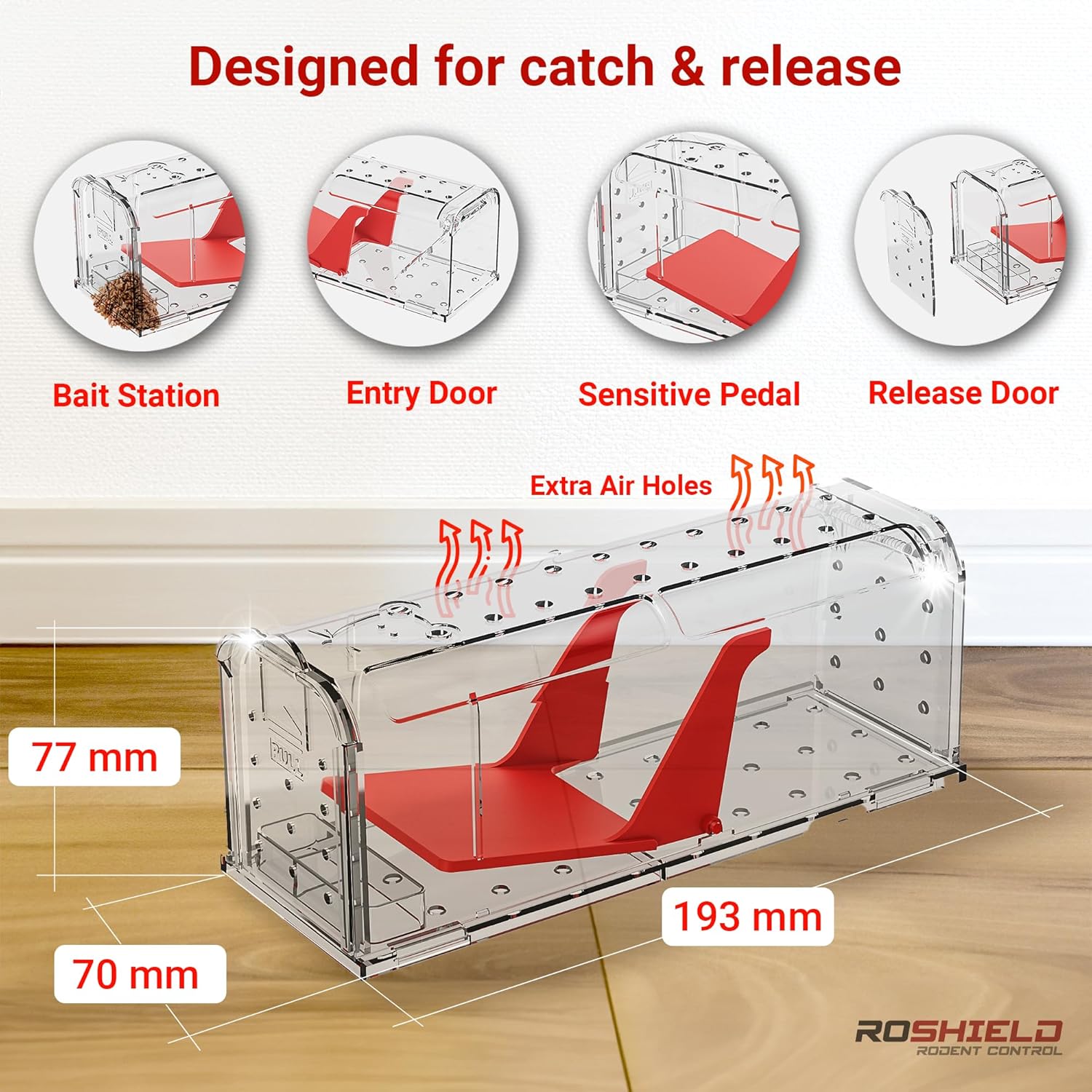
Figure 2: Key components of the Roshield Humane Mouse Trap.
- Bait Station: Area where bait is placed to attract the mouse.
- Entry Door: The door through which the mouse enters the trap.
- Sensitive Pedal: A pressure-sensitive platform that triggers the trap door when stepped on.
- Release Door: The door used to release the captured mouse.
- Extra Air Holes: Ensures adequate ventilation for the captured animal.
4. Setup Instructions
Follow these steps to set up your Roshield Humane Mouse Trap:
- Prepare the Trap: Ensure the trap is clean and free from any debris.
- Place Bait: Open the small door at the end of the trap (bait station side). Place a small amount of attractive bait, such as peanut butter, chocolate spread, or seeds, onto the designated bait area inside the trap. Close the bait door securely, ensuring it clicks into place.

Figure 3: Placing bait in the bait station.
- Set the Trap: Open the main entry door of the trap. Gently push the sensitive pedal down until the entry door locks into the open position. The trap is now set.
- Position the Trap: Place the trap in areas where mouse activity has been observed, such as along walls, in corners, or near potential entry points.

Figure 4: Visual guide for placing bait and setting the trap.
5. Operating the Trap
Once the trap is set, regular monitoring is essential for the welfare of any captured animal.
5.1 Monitoring
- Check the trap frequently, ideally every few hours, to ensure a captured mouse is not left inside for an extended period.
- The transparent design allows for easy visual inspection without disturbing the trap.
5.2 Releasing a Captured Mouse
When a mouse is captured, follow these steps for release:
- Carefully pick up the trap, keeping it level to avoid startling the mouse.
- Transport the trap to a suitable release location, at least 1-2 miles away from your property, such as a wooded area or field.
- Open the release door and allow the mouse to exit naturally. Do not shake or force the mouse out.
- After release, clean the trap thoroughly before resetting it.

Figure 5: A mouse safely captured within the trap.

Figure 6: Releasing a captured mouse back into its natural environment.
6. Maintenance
Regular cleaning of your Roshield Humane Mouse Trap ensures its effectiveness and hygiene.
6.1 Cleaning
- After each capture and release, or if the trap has been unused for a while, clean it thoroughly.
- Use warm, soapy water and a brush to remove any bait residue or odors.
- Rinse the trap well and allow it to air dry completely before storing or resetting.
- For stubborn bait residue, especially sticky substances like peanut butter, a small brush or cotton swab can help reach difficult areas.
7. Troubleshooting
If your Roshield Humane Mouse Trap is not performing as expected, consider the following:
- Mouse eats bait but doesn't get trapped:
- Bait Placement: Ensure the bait is placed directly on the sensitive pedal or in a way that requires the mouse to step on the pedal to reach it.
- Bait Quantity: Use several small pieces of bait rather than one large piece. This encourages the mouse to spend more time on the pedal, increasing the chance of activation.
- Trap Sensitivity: The trap is designed to be sensitive. If the mouse is too light or the pedal is not engaging, ensure the trap mechanism is clean and unobstructed.
- Trap doesn't set or close properly:
- Secure Closure: Make sure the bait door is closed firmly until it clicks. An improperly closed bait door can prevent the main entry door from setting or can allow the mouse to escape.
- Obstructions: Check for any debris or foreign objects that might be preventing the doors or pedal from moving freely.
- No mouse activity:
- Location: Relocate the trap to a different area where signs of mouse activity (droppings, gnaw marks) are more prevalent.
- Bait Type: Experiment with different types of bait. Mice can have preferences.
8. Product Specifications
| Feature | Detail |
|---|---|
| Product Dimensions (L x W x H) | 19 x 7 x 7.7 cm |
| Item Weight | 140 Grams |
| Brand | Roshield |
| Model Number | Roshield Humane |
| Target Species | Mice |
| Power Source | Manual Force |
| Material | High-quality, durable plastic (implied from features) |

Figure 7: Design advantages of the Roshield Humane Mouse Trap.
9. Warranty and Support
Information regarding specific warranty details or direct customer support contacts for the Roshield Humane Mouse Traps was not available in the provided product data. For any inquiries or support, please refer to the retailer or the official Roshield website if available.