
1. Introduction and Overview
This manual provides essential information for the safe assembly, operation, and maintenance of your EDGE-540 79.6inch 35CC 3D Wood Airplane ARF RC Gasoline Scale Plane Model. This high-performance, Almost-Ready-to-Fly (ARF) remote-controlled aircraft is designed for experienced enthusiasts. Crafted from durable wood and powered by a 35CC gasoline engine, it offers robust performance suitable for advanced aerobatics and scale flying. Please read this manual thoroughly before attempting any assembly or operation.
2. Safety Information
Operating a gasoline-powered RC aircraft requires strict adherence to safety protocols. Failure to follow these guidelines can result in serious injury or property damage.
- Always operate the aircraft in designated flying areas, away from people, animals, buildings, and other obstacles.
- Ensure all components, including wings, tail, landing gear, and engine, are securely fastened and inspected before each flight.
- Never attempt to start the engine or operate the aircraft without a thorough understanding of its controls and functions.
- Keep hands, face, and loose clothing clear of the propeller at all times, especially during engine starting and operation.
- Use appropriate personal protective equipment (PPE), such as eye protection and hearing protection, when operating the engine.
- Handle gasoline with extreme care. Store fuel in approved containers in a well-ventilated area, away from ignition sources.
- Do not fly in adverse weather conditions, including strong winds, rain, or lightning.
- Regularly inspect the aircraft for any signs of wear, damage, or loose connections.
- This product is recommended for ages 14 years and up. Adult supervision is highly recommended for younger operators.
3. Setup and Assembly
The EDGE-540 is an Almost-Ready-to-Fly (ARF) model, meaning some assembly is required. Ensure you have all necessary tools and accessories before beginning. Refer to the included parts list to verify all components are present.
3.1 Wing Assembly
Carefully slide the wing halves onto the wing tube. Ensure they are fully seated against the fuselage. Secure the wings using the provided bolts or retention mechanisms. Verify that the aileron linkages are correctly connected to the servos and move freely.

Figure 3.1: Overall view of the assembled EDGE-540 RC airplane, showcasing its vibrant blue, white, and red color scheme. This image provides a general perspective of the aircraft's completed form, including the main wing and tail sections.
3.2 Tail Section Installation
Attach the horizontal and vertical stabilizers to the fuselage. Ensure they are aligned correctly and secured with the provided hardware. Connect the elevator and rudder linkages to their respective servos, checking for smooth and unrestricted movement.

Figure 3.2: Top-down perspective of the EDGE-540 RC airplane, highlighting the fuselage and wing structure. This view is useful for understanding the overall layout and attachment points for various components.
3.3 Landing Gear and Propeller Installation
Install the main landing gear and tail wheel assembly. Ensure they are firmly attached and can support the aircraft's weight. Mount the propeller onto the engine shaft, ensuring it is balanced and tightened securely. Double-check the propeller's rotation direction.
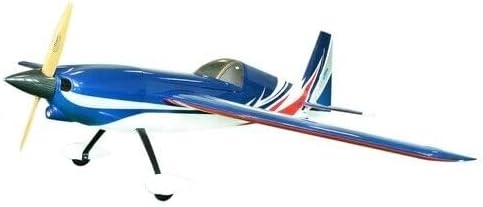
Figure 3.3: Side view of the EDGE-540 RC airplane, providing a clear look at the installed landing gear and the propeller. This angle helps visualize the ground clearance and the engine's front-mounted position.
3.4 Engine and Radio System Setup
Install the 35CC gasoline engine according to the manufacturer's instructions. Connect the fuel lines and exhaust system. Install your receiver, servos, and battery pack, ensuring proper weight distribution. Perform a range check on your radio system before the first flight.
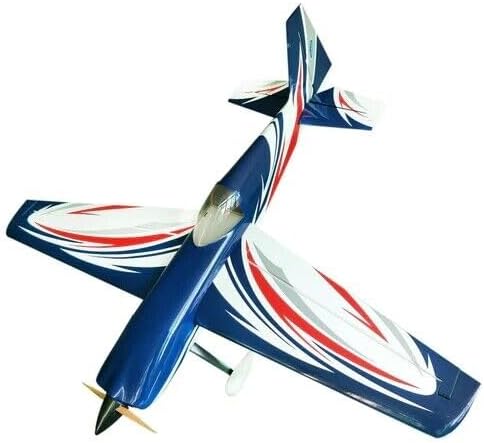
Figure 3.4: An alternative view of the assembled EDGE-540 RC airplane, emphasizing its sleek, aerodynamic design and the overall aesthetic. This image provides a comprehensive look at the completed model from a slightly different perspective.
4. Operating Instructions
Proper operation is crucial for safe and enjoyable flights. Always follow local regulations and flying field rules.
4.1 Pre-Flight Checks
- Verify all control surfaces (ailerons, elevator, rudder) move freely and in the correct direction relative to stick inputs.
- Check fuel level and ensure fuel lines are secure and free of leaks.
- Confirm battery voltage for receiver and ignition (if separate) is adequate.
- Inspect propeller for nicks or cracks and ensure it is tightly secured.
- Perform a final visual inspection of the entire aircraft for any loose parts or damage.
4.2 Engine Starting and Warm-up
Follow the engine manufacturer's specific instructions for starting. Typically, this involves priming the engine, setting the throttle to idle, and using an electric starter. Allow the engine to warm up for a few minutes at a low RPM before attempting takeoff.
4.3 Takeoff
Position the aircraft into the wind. Gradually advance the throttle, maintaining directional control with the rudder. As speed increases, apply slight up-elevator to lift off smoothly. Climb to a safe altitude before performing maneuvers.
4.4 Flight Controls
- Ailerons: Control roll (banking) of the aircraft.
- Elevator: Controls pitch (nose up/down) for climbing and descending.
- Rudder: Controls yaw (nose left/right) for coordinated turns and ground steering.
- Throttle: Controls engine RPM and aircraft speed.
4.5 Landing
Approach the runway into the wind, gradually reducing throttle. Control descent with the elevator. Aim for a smooth, controlled touchdown on the main landing gear, then gently lower the tail. Reduce throttle to idle upon landing.
4.6 Post-Flight Procedures
- Shut down the engine.
- Disconnect or turn off receiver and ignition batteries.
- Drain any remaining fuel from the tank.
- Inspect the aircraft for any damage incurred during flight.
5. Maintenance
Regular maintenance ensures the longevity and safe operation of your EDGE-540 model.
- Engine: Follow the engine manufacturer's maintenance schedule for spark plug replacement, carburetor cleaning, and general inspection.
- Airframe: Regularly check all wood joints and covering for damage. Repair any tears in the covering promptly to maintain aerodynamic integrity.
- Control Surfaces and Linkages: Ensure all hinges are free-moving and secure. Check linkages for bends, wear, or looseness.
- Landing Gear: Inspect landing gear for bends or cracks. Ensure wheels spin freely and are securely attached.
- Fasteners: Periodically check all screws, bolts, and nuts for tightness. Vibration from the engine can cause them to loosen over time.
- Fuel System: Inspect fuel lines for cracks or hardening. Replace them if necessary. Clean the fuel tank and filter periodically.
6. Troubleshooting
This section addresses common issues you might encounter with your RC airplane.
| Problem | Possible Cause | Solution |
|---|---|---|
| Engine won't start. | No fuel, flooded engine, faulty spark plug, ignition issue. | Check fuel lines and tank. Clear flooded engine. Inspect/replace spark plug. Check ignition system connections and battery. |
| Loss of control during flight. | Radio interference, low receiver battery, loose servo connections, damaged control linkage. | Perform range check. Charge/replace receiver battery. Secure all servo connections. Inspect and repair linkages. |
| Aircraft pulls to one side on takeoff. | Misaligned landing gear, uneven thrust, rudder trim incorrect. | Check landing gear alignment. Adjust engine thrust line. Adjust rudder trim on transmitter. |
| Poor flight performance (e.g., sluggish, unstable). | Incorrect Center of Gravity (CG), warped wing/tail, engine not tuned properly. | Verify CG according to specifications. Check for warps and correct. Tune engine carburetor. |
7. Specifications
Key technical specifications for the EDGE-540 RC Airplane:
- Model: EDGE-540
- Brand: PurAr (also listed as zyhobby in description, using PurAr from product data)
- Type: Airplane
- Material: Wood
- Wing Span: 79.6 inches (2023 mm)
- Fuselage Length: 71.8 inches (1825 mm)
- Wing Area: 66 sq. dm
- Takeoff Weight: 4500-4800 g
- Fuel Type: Gasoline
- Color: White (as per feature bullets, though images show blue/red)
- Required Assembly: Almost Ready/ARR/ARF (Accessories required)
- Recommended Age: 14 years and up
8. Warranty and Support
For specific warranty terms and conditions, please refer to the documentation provided with your purchase or contact the seller directly. Support for this product is typically provided by the retailer or manufacturer. Keep your proof of purchase for any warranty claims or technical assistance.
For further assistance, you may contact the manufacturer, FLTHOBBY, or the brand, PurAr, through their official channels if available.