
LewanSoul B0CMLRGXP4
Robotic Claw Full Metal Wave Edge Clamp Robot Hand Gripper Grabber User Manual
Brand: LewanSoul | Model: B0CMLRGXP4
1. Product Overview
The LewanSoul Robotic Claw is a full metal wave edge clamp designed for robotic arm applications, DIY projects, and educational purposes. It features a robust construction, high torque capabilities, and a wide opening range, making it suitable for gripping various objects up to 1 pound in weight. This mechanical gripper is engineered for stability and durability, providing reliable performance for your robotic endeavors.

Figure 1.1: The LewanSoul Robotic Claw, shown in its closed position, highlighting its full metal construction and wave-edge design.
2. Safety Information
- Keep fingers and loose clothing away from moving parts during operation to prevent injury.
- Ensure all connections are secure before applying power.
- Do not exceed the maximum grab weight of 1 pound to prevent damage to the servo and claw mechanism.
- This product is recommended for users aged 12 years and up. Adult supervision is advised for younger users.
- Avoid exposing the claw to excessive force or impact.
3. Package Contents
Please verify that all items are present and in good condition upon opening the package.
- 1 x LewanSoul Robotic Claw (Full Metal Wave Edge Clamp)
- 1 x Servo (LDX-335MG, included with this model)
- Necessary mounting hardware (screws, nuts, etc.)
4. Setup
The LewanSoul Robotic Claw comes pre-assembled with the servo for convenience. Follow these steps for initial setup:
- Inspect the Claw: Carefully examine the robotic claw for any visible damage or loose components from shipping.
- Servo Connection: The included servo is already integrated. Connect the servo's signal cable (usually orange or white) to the signal pin of your control board (e.g., Arduino, Raspberry Pi, or dedicated servo controller). Connect the red wire to the VCC (power) and the brown/black wire to GND (ground). Ensure correct polarity to prevent damage.
- Power Supply: Provide a stable power supply within the recommended voltage range for the servo (6-8.4V). Insufficient power can lead to erratic behavior or damage.
- Mounting (Optional): If integrating the claw into a larger robotic arm or structure, use the provided mounting holes and hardware to secure it firmly. Ensure the mounting surface is stable and can support the claw's weight and operational forces.
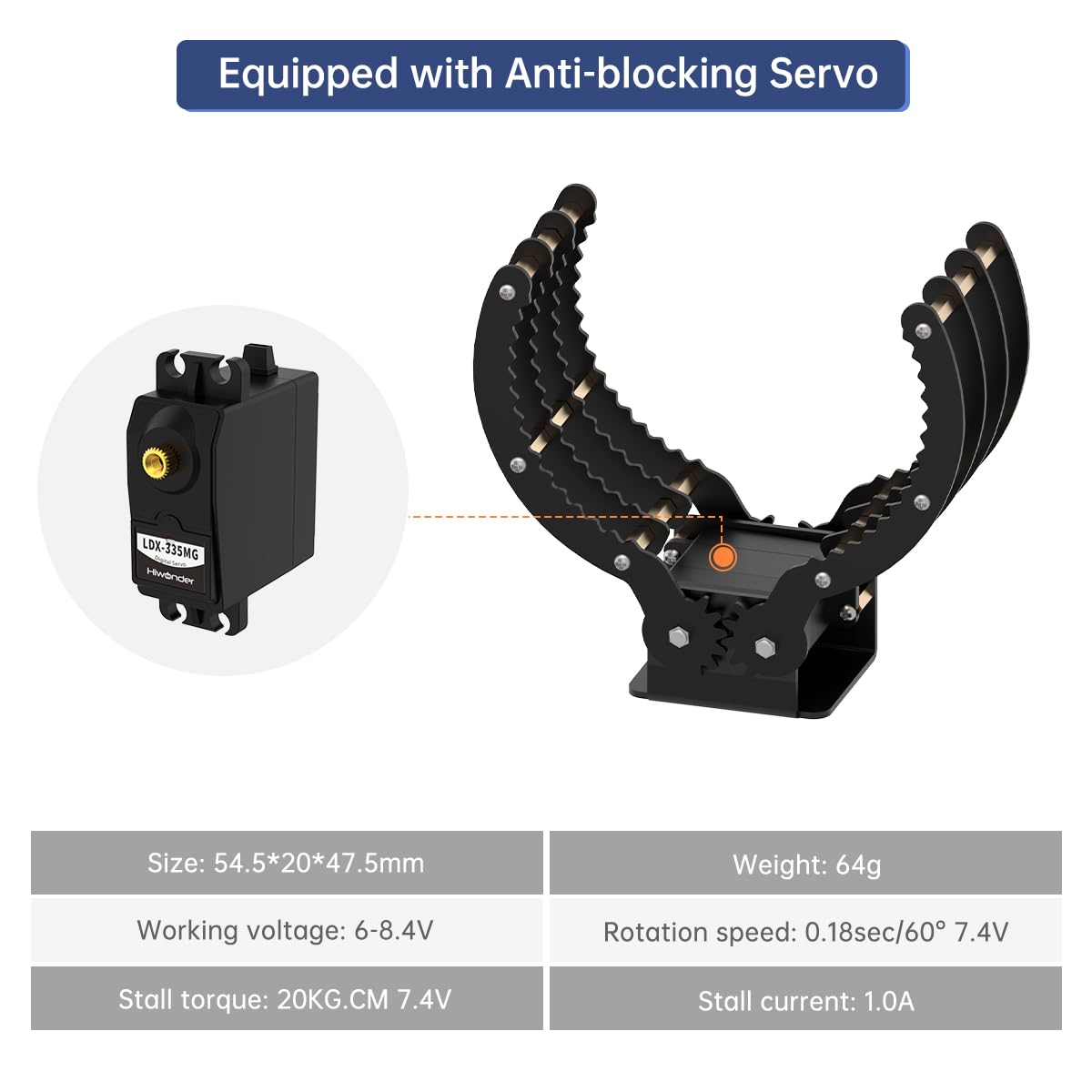
Figure 4.1: Detailed view of the LDX-335MG servo, including its dimensions and specifications, which is integrated into the robotic claw.
5. Operating Instructions
The robotic claw's movement is controlled by the integrated servo. The servo's position dictates the opening and closing of the claw.
- Control Signal: Send appropriate Pulse Width Modulation (PWM) signals to the servo's signal pin from your microcontroller or servo controller. The specific pulse width will correspond to a certain angle of the servo, which in turn controls the claw's opening.
- Opening and Closing:
- A typical servo operates from 0 to 180 degrees. One extreme angle will fully open the claw, and the other extreme will fully close it. Intermediate angles will result in partial opening/closing.
- Experiment with your servo controller to find the exact pulse width values that correspond to the fully open and fully closed positions of the claw.
- Gripping Objects:
- Position the open claw around the object you wish to grip.
- Slowly close the claw until it firmly grasps the object. Avoid applying excessive force, especially with delicate objects. The wave-edge design provides enhanced grip.
- The claw has a maximum opening distance of 230mm (approximately 9 inches) and is designed for parallel gripping, adapting to a wide range of object shapes.

Figure 5.1: The robotic claw demonstrating its parallel gripping capability on objects such as a cardboard box and a gear, showcasing its wide range of adaptation.
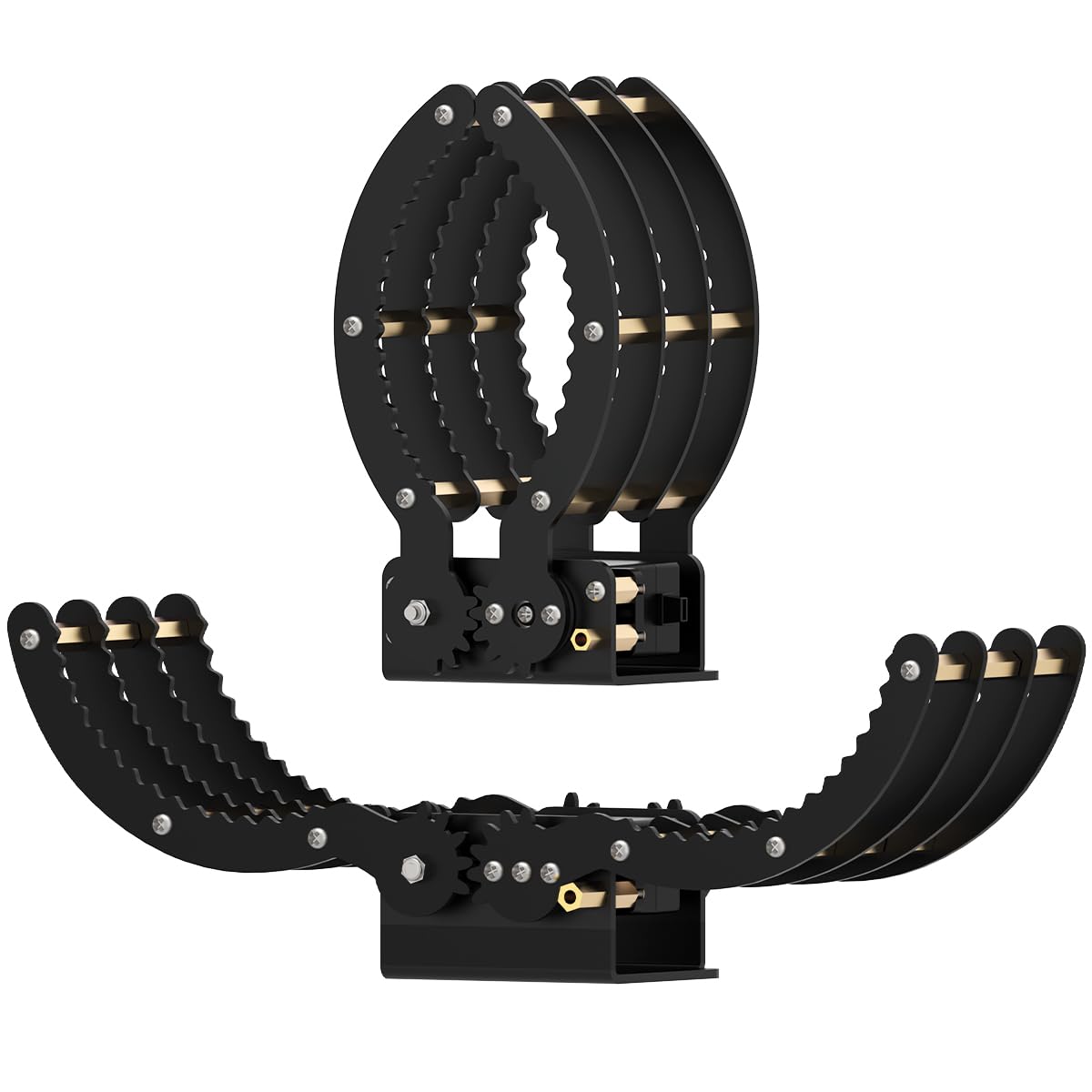
Figure 5.2: The robotic claw displayed in both its fully open and fully closed configurations, illustrating its operational range.
Official Product Video: Mechanical Robot Arm Claw/Gripper For Robot DIY
Video 5.1: This video demonstrates the LewanSoul Robotic Claw in action, showcasing its gripping capabilities with various objects and its integration with a servo for precise control.
6. Maintenance
Regular maintenance ensures the longevity and optimal performance of your robotic claw.
- Cleaning: Use a soft, dry cloth to wipe down the metal surfaces. Avoid using abrasive cleaners or solvents that could damage the finish or internal components.
- Lubrication: Periodically check the moving joints and gears. If they appear dry or stiff, apply a small amount of silicone-based lubricant suitable for plastics and metals. Avoid over-lubrication.
- Fastener Check: Regularly inspect all screws and fasteners to ensure they are tight. Vibrations during operation can sometimes loosen them.
- Storage: When not in use, store the robotic claw in a clean, dry environment, away from extreme temperatures and direct sunlight.
7. Troubleshooting
| Problem | Possible Cause | Solution |
|---|---|---|
| Claw does not move or moves erratically. |
|
|
| Claw cannot grip objects firmly. |
|
|
| Unusual noise during operation. |
|
|
8. Specifications
| Feature | Detail |
|---|---|
| Product Material | Hard aluminum alloy + Copper Pillar |
| Maximum Opening Distance | 230mm (approx. 9 inches) |
| Maximum Clamping Force | 500g (approx. 1.1 lbs) |
| Product Dimensions (L x W x H) | 136 x 57 x 60 mm (5.35 x 2.24 x 2.36 inches) |
| Product Weight (Including servo) | 190g (6.7 ounces) |
| Servo Model | LDX-335MG (included) |
| Servo Working Voltage | 6-8.4V |
| Servo Stall Torque | 20KG.CM @ 7.4V |
| Servo Rotation Speed | 0.18sec/60° @ 7.4V |
| Manufacturer Recommended Age | 12 years and up |

Figure 8.1: Technical drawing illustrating the precise dimensions of the robotic claw, including its length, width, height, and maximum opening distance.
9. Warranty and Support
LewanSoul products are manufactured by Hiwonder. For any questions, technical assistance, or warranty claims, please contact Hiwonder customer support.
- Manufacturer: Hiwonder
- Online Resources: Visit the official LewanSoul store on Amazon for additional product information, FAQs, and potential software/code resources: LewanSoul Amazon Store
- Contact Support: Refer to the contact information provided with your purchase or on the official Hiwonder website for direct support.
Ask a question about this manual
Ask about setup, troubleshooting, compatibility, parts, safety, or missing instructions. Manuals+ will review the question and use this page’s manual context to help answer it.