
1. Introduction
This user manual provides detailed instructions for the Rakstore HLK-LD2420 24G Millimeter Wave Radar Sensor. This module is designed for intelligent human body micro-motion detection in indoor environments, offering real-time reporting of detection results. Please read this manual thoroughly before installation and operation to ensure proper use and optimal performance.
2. Product Overview and Features
The HLK-LD2420 is a compact 24 GHz millimeter wave radar sensor module equipped with a single-chip intelligent SoC and advanced algorithm firmware. It is specifically engineered to detect both movement and subtle micro-movements of the human body within a defined sensing area.
Key Features:
- Equipped with single-chip intelligent millimeter wave sensor SoC and intelligent algorithm firmware.
- Ultra-small module size: 20 mm × 20 mm.
- Default human sensor configuration for plug-and-play functionality.
- Operates in the 24 GHz ISM frequency band, certified by FCC, CE, and non-committee spectrum regulations.
- Wide voltage range power supply: 3.3 V (supports 3.0 V to 3.6 V).
- Average operating current: 50 mA.
- Detects moving and micro-moving human bodies.
- Real-time reporting of detection results.
- Visualization tools available for configuring detection distance intervals, sensitivity, and reporting times.
- Supports division of sensing range to shield external interference.
- Short-range 0.2 m induction with no detection blind zone.
- Maximum human motion sensing distance: 8 m.
- Large detection angle: ±60°.
- Supports various installation methods, including ceiling and wall mounting.
- Independent configuration of trigger and hold states for strong anti-interference.

Figure 2-1: Front view of the HLK-LD2420 radar sensor module, showing the antenna and main chip.

Figure 2-2: Angled view of the HLK-LD2420 module, highlighting the pin headers for connectivity.
3. Hardware Description
The HLK-LD2420 module features a compact design with clearly labeled connection points. Understanding the physical layout and pin assignments is crucial for proper integration.
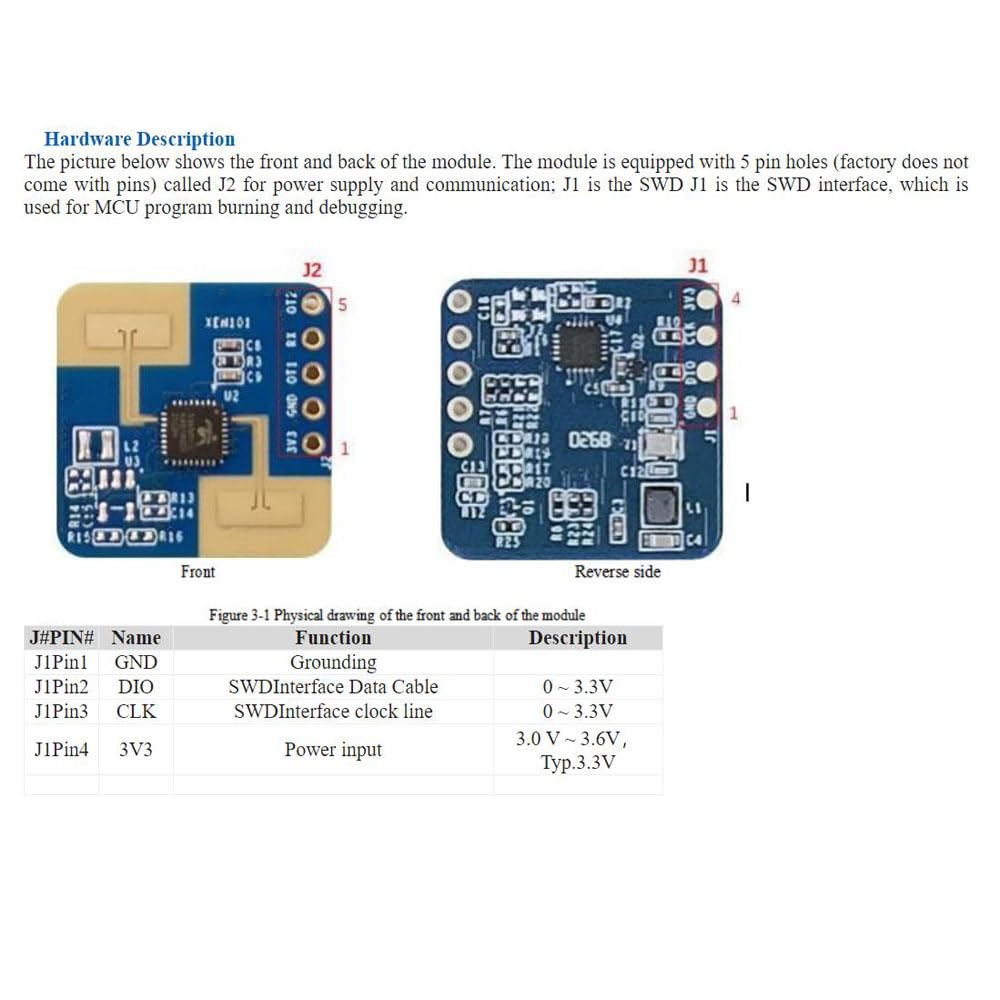
Figure 3-1: Physical drawing of the front and back of the module, illustrating component placement and pin locations.
The module is equipped with a 4-pin header labeled J1, which serves as the primary interface for power supply and communication. There is also a 5-pin header labeled J2, which is typically used for MCU program burning and debugging (factory units may not come with pins for J2).
Pin Description (J1):
| J1Pin# | Name | Function | Description |
|---|---|---|---|
| J1Pin1 | GND | Grounding | Common ground connection. |
| J1Pin2 | DIO | SWD Interface Data Cable | 0 ~ 3.3V digital input/output. |
| J1Pin3 | CLK | SWD Interface clock line | 0 ~ 3.3V clock signal. |
| J1Pin4 | 3V3 | Power input | 3.0 V ~ 3.6 V, typically 3.3V. |
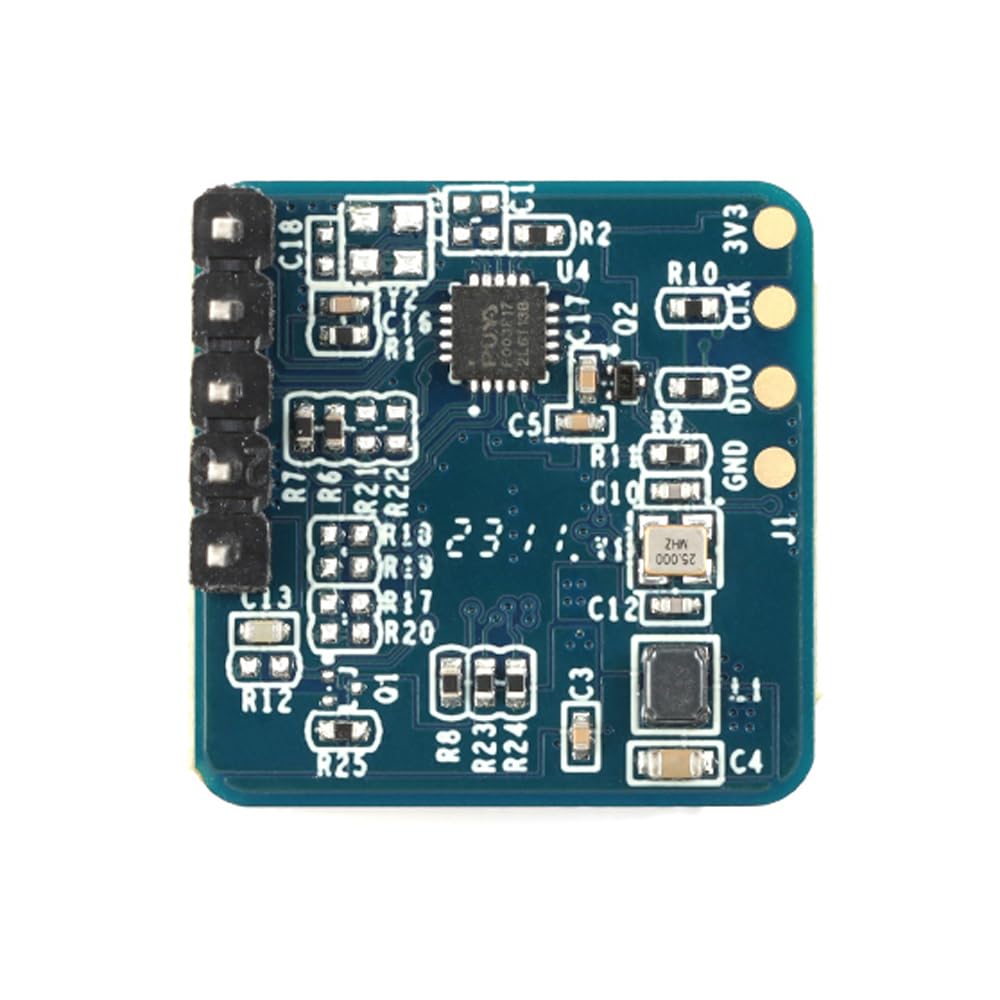
Figure 3-2: Bottom view of the HLK-LD2420 module, showing additional components and markings.

Figure 3-3: Dimensions of the HLK-LD2420 module, measuring 20mm x 20mm.
4. Specifications
| Parameter | Value |
|---|---|
| Item Model Number | HLK-LD2420 |
| Brand | Rakstore |
| Current Rating | 50 Milliamps (Average Operating) |
| Maximum Supply Voltage | 3.3 Volts (Supports 3.0 V ~ 3.6 V) |
| Measurement Accuracy | ±15% |
| Measuring Range | 0.2 m to 8 m |
| Detection Angle | ±60° |
| Frequency Band | 24 GHz ISM |
| Module Dimensions | 20 mm x 20 mm |
5. Setup and Installation
Proper setup is essential for the HLK-LD2420 to function correctly. Follow these steps for initial installation:
- Power Connection: Connect the 3V3 pin (J1Pin4) to a stable 3.0V to 3.6V DC power source. Connect the GND pin (J1Pin1) to the system ground. Ensure the power supply can provide at least 50mA.
- Data Connection: Connect the DIO pin (J1Pin2) and CLK pin (J1Pin3) to your microcontroller or host system's SWD interface for communication and configuration. If using a simpler setup, the module can operate with default settings, providing output via a dedicated pin (refer to specific documentation for output pin if not using SWD for data).
- Mounting: The module supports various installation methods, including ceiling hanging and wall hanging. Choose a location that provides an unobstructed view of the desired detection area. Avoid placing it behind thick objects or metallic surfaces that could interfere with the radar signal.
- Orientation: Position the module so its detection angle (±60°) covers the area where human presence or micro-motion needs to be detected.
- Initial Configuration (Optional): While the module comes with a default human sensor configuration, you can use visualization tools (provided by the manufacturer, typically via a serial interface) to adjust parameters such as detection distance intervals, sensitivity, and result reporting time. This allows for fine-tuning to specific environmental needs.
Caution: Ensure correct polarity when connecting power to prevent damage to the module.
6. Operating Instructions
Once properly set up, the HLK-LD2420 module operates autonomously to detect human presence and motion.
- Power On: Apply power to the module. It will initiate and begin sensing.
- Detection: The module continuously scans its environment for human movement or micro-motion within its 0.2m to 8m range and ±60° angle.
- Output: The module provides real-time detection results. The specific output format (e.g., digital signal, serial data) depends on the configuration and the interface used. Refer to the manufacturer's detailed communication protocol for interpreting the output data.
- Customization: If you have configured specific detection zones or sensitivity levels, the module will adhere to these settings, reporting presence only within the defined parameters.
The module is designed for continuous operation, providing reliable detection for various applications such as smart home automation, security systems, and energy-saving solutions.
7. Maintenance
The HLK-LD2420 module is designed for low maintenance. However, adhering to these guidelines can prolong its lifespan and ensure consistent performance:
- Keep Clean: Ensure the module's surface, especially the antenna area, is free from dust, dirt, or obstructions. Use a soft, dry cloth for cleaning if necessary.
- Environmental Conditions: Operate the module within its specified temperature and humidity ranges. Avoid exposure to extreme temperatures, direct sunlight, or high moisture environments.
- Physical Protection: Protect the module from physical impact or excessive vibration.
- Power Supply Stability: Use a stable and clean power supply within the specified voltage range (3.0V to 3.6V). Fluctuations can affect performance or damage the module.
8. Troubleshooting
If you encounter issues with your HLK-LD2420 module, consider the following troubleshooting steps:
- No Detection / Inconsistent Detection:
- Verify power supply connections and voltage (3.0V-3.6V).
- Check for obstructions in the detection path.
- Ensure the module is oriented correctly to cover the desired area.
- Review configuration settings (sensitivity, distance intervals) using the visualization tools.
- Confirm that the host system is correctly interpreting the module's output.
- Module Gets Hot:
- Some heat generation during operation is normal for electronic components. However, excessive heat could indicate an issue.
- Ensure the power supply voltage is within the specified range (not exceeding 3.6V).
- Verify the module is not enclosed in a way that prevents adequate airflow. Consider adding a small heatsink if operating in high ambient temperatures or for prolonged periods, especially during development and testing.
- If the heat is extreme and accompanied by malfunction, disconnect power immediately and re-check all connections.
- Communication Issues:
- Check wiring for DIO and CLK pins.
- Verify baud rates and communication protocols between the module and your host system.
- Ensure the host system's SWD interface is correctly configured.
For persistent issues, consult the manufacturer's technical documentation or contact Rakstore support.
9. Warranty and Support
Specific warranty details for the Rakstore HLK-LD2420 module are typically provided at the point of purchase or within the product packaging. Please refer to your purchase documentation for warranty terms and conditions.
For technical support, further documentation, or inquiries, please contact your vendor or the manufacturer, Rakstore. Ensure you have your product model number (HLK-LD2420) and purchase details ready when seeking assistance.
Manufacturer: RAKSTORE