
DC HOUSE ECO-LFP485002
DC HOUSE 48V 50Ah LiFePO4 Golf Cart Battery Instruction Manual
Model: ECO-LFP485002
1. Introduction
This manual provides essential information for the safe and effective use of your DC HOUSE 48V 50Ah LiFePO4 battery. Please read this manual thoroughly before installation and operation to ensure proper function and longevity of the battery.

Image 1.1: DC HOUSE 48V 50Ah LiFePO4 Battery with Monitoring Accessories.
2. Safety Information
Observe the following safety precautions to prevent injury or damage to the battery and connected equipment:
- Do not disassemble, puncture, or modify the battery.
- Avoid short-circuiting the battery terminals.
- Keep the battery away from fire, heat sources, and direct sunlight.
- Do not immerse the battery in water or other liquids.
- Use only compatible chargers designed for LiFePO4 batteries.
- Ensure proper ventilation during charging and operation.
- Wear appropriate personal protective equipment (PPE) when handling the battery.
- If the battery emits an unusual odor, heat, or changes shape, discontinue use immediately and contact support.
3. Product Features
- Bluetooth APP Monitoring: The battery includes built-in Bluetooth for monitoring battery information such as State of Charge (SOC), voltage, and current via the DC HOUSE APP. Data is accurate to the specific cell level, and a dedicated fault display page assists in troubleshooting. The Bluetooth signal range is typically 5-10 meters.
- Low Temperature Cut-Off Protection: The battery's Battery Management System (BMS) features upgraded low-temperature protection. Charging is cut off when the temperature sensor detects below 0°C (32°F). Discharging is cut off below -22°C (-7.6°F). Operation automatically resumes when temperatures rise to 0°C (32°F). This feature protects the battery and extends its lifespan.
- 2C BMS Protection: Equipped with a 100A BMS, the battery is protected against high temperatures, low temperatures, short circuits, overcurrent, and overload. This contributes to thermal and chemical stability, reducing maintenance requirements.
- Metal Case Construction: The battery housing is constructed from sheet metal, enhancing safety and heat resistance compared to plastic alternatives.
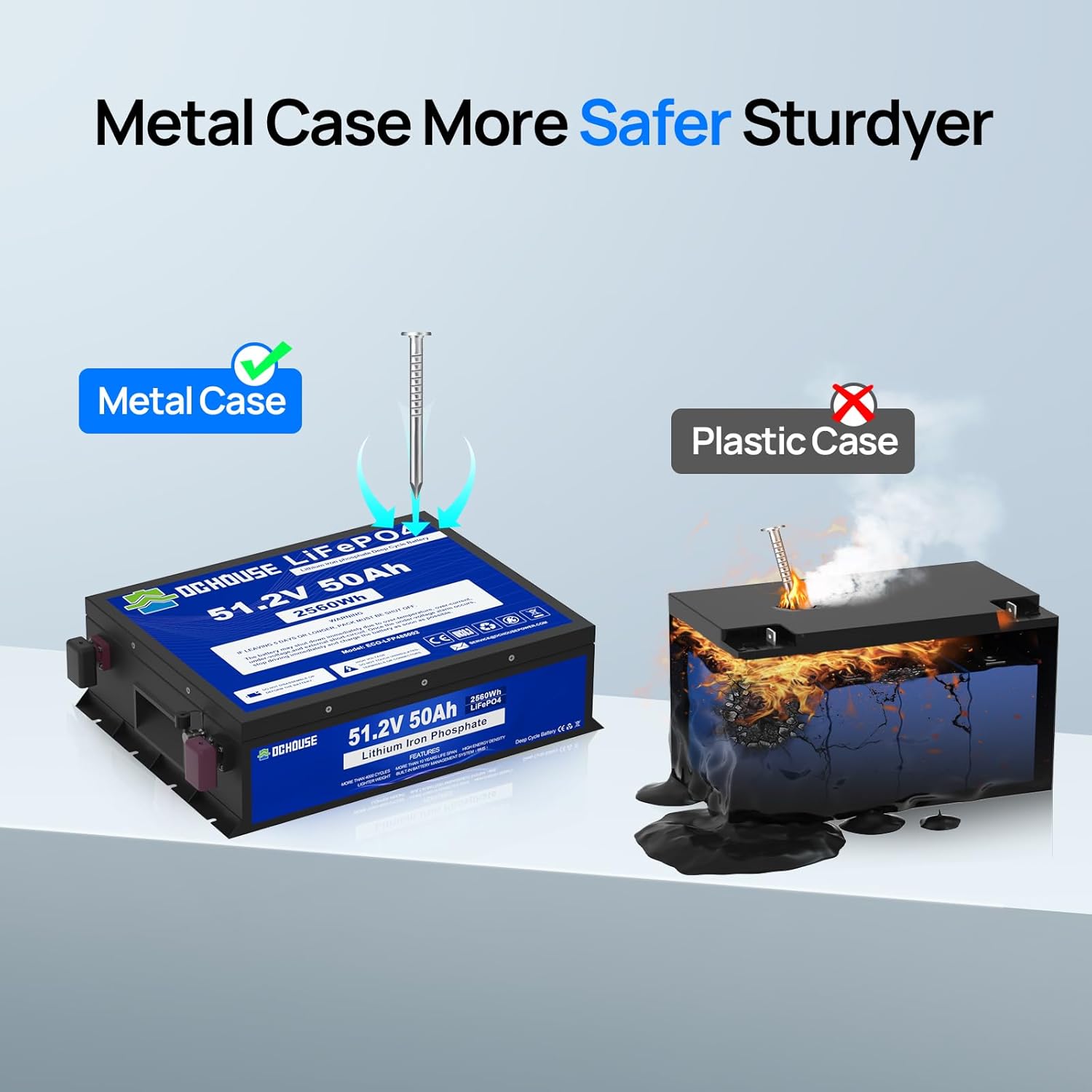
Image 3.1: Metal Case for Enhanced Durability and Safety.

Image 3.2: Low-Temperature Cut-Off Protection Details.
4. Setup and Installation
The DC HOUSE 48V 50Ah LiFePO4 battery is designed for various 48V applications. Installation procedures may vary based on the specific application (e.g., golf cart, lawnmower, RV, off-grid system).
4.1 General Installation Guidelines
- Ensure the battery is securely mounted to prevent movement during operation.
- Connect positive terminals to positive and negative terminals to negative. Incorrect polarity can cause severe damage.
- Use appropriate gauge wiring and connectors for your application to handle the battery's current output.
- For parallel connections, ensure all batteries are of the same voltage and capacity. The number of batteries in parallel is not limited.
- The compact size and lighter weight (26.5kg / 58.4lbs) facilitate easier installation compared to traditional lead-acid batteries.

Image 4.1: Space Saving in Golf Cart Applications.
4.2 Specific Application Notes
- Ryobi Mowers: The battery is compatible with Ryobi RY48 series mowers (e.g., RY48110 (RM480e), RY48ZTR100, RY48ZTR75). Physical modifications to the battery compartment may be necessary for some models.
- Golf Carts: When replacing lead-acid batteries, note the significant weight reduction (e.g., from 383.6 lbs for 6x8V 100Ah lead-acid to 58.4 lbs for the LiFePO4 battery). Secure the battery properly within the battery tray.
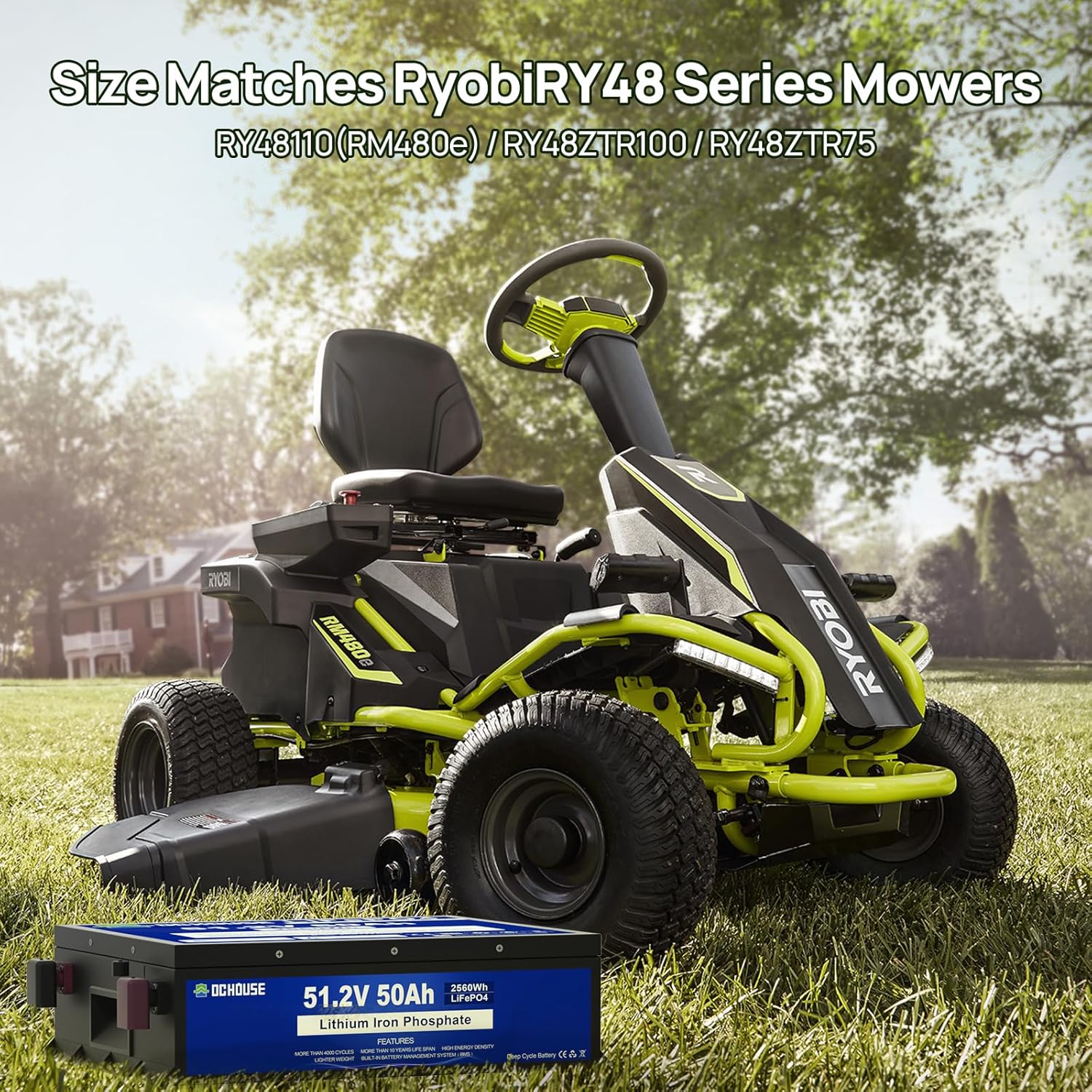
Image 4.2: Compatibility with Ryobi RY48 Series Mowers.

Image 4.3: Weight Comparison for Golf Cart Applications.
5. Operating Instructions
5.1 Initial Charge
Before first use, ensure the battery is fully charged using a compatible LiFePO4 charger. The charger is considered fully charged when the green light is continuously on and not flashing.
5.2 Bluetooth App Monitoring
The DC HOUSE APP allows for real-time monitoring of battery parameters. Download the official DC HOUSE APP to your smartphone or tablet.
- Ensure Bluetooth is enabled on your device.
- Open the DC HOUSE APP and search for available batteries.
- Connect to your DC HOUSE 48V 50Ah battery.
- Monitor parameters such as SOC, voltage, current, and individual cell voltages. The app also provides a dedicated fault display page.
Image 5.1: Real-time Monitoring via Bluetooth App.

Image 5.2: Smart Battery LCD Monitoring Modes.
5.3 Applications
The battery is suitable for a wide range of 48V applications:
- Golf Carts (Club Car, Yamaha)
- Ryobi Mowers
- Trolling Motors
- RV (Recreational Vehicles)
- Off-Grid Solar Systems

Image 5.3: Golf Cart Application for Extended Range.

Image 5.4: Trolling Motor Application.

Image 5.5: RV Application.

Image 5.6: Off-Grid Solar System Application.
6. Maintenance
DC HOUSE LiFePO4 batteries require minimal maintenance due to their inherent thermal and chemical stability and advanced BMS.
- Regular Inspection: Periodically check battery terminals for corrosion and ensure connections are secure.
- Cleaning: Keep the battery clean and free of dust and debris. Use a dry cloth for cleaning.
- Temperature Management: While the battery has low-temperature cut-off, prolonged exposure to extreme temperatures outside the recommended operating range can affect performance and lifespan. For charging in winter, ensure the battery temperature is above 0°C (32°F).
- Storage: If storing the battery for extended periods (5 days or longer), ensure it is partially charged (around 50% SOC) and stored in a cool, dry place.
7. Troubleshooting
The DC HOUSE APP provides a dedicated fault display page to assist in diagnosing issues. Refer to the app for specific fault codes and recommended actions.
- Battery Not Charging: Check charger connection and power supply. Verify the battery temperature is above 0°C (32°F) as the BMS will cut off charging below this temperature. Ensure the charger's green light is solid, indicating a full charge.
- Battery Not Discharging/Low Power: Check all connections. Ensure the battery temperature is above -22°C (-7.6°F) as the BMS will cut off discharging below this temperature.
- Over-current Protection: The 100A BMS provides over-current protection. If a high current draw (peak current up to 200A for 10 seconds) is sustained, the BMS may temporarily cut off output. This protection will automatically reset after approximately 32 seconds.
- Bluetooth Connectivity Issues: Ensure your device is within the 5-10 meter Bluetooth signal range. Restart the app and/or your device if connection problems persist.
8. Specifications
| Parameter | Value |
|---|---|
| Model | ECO-LFP485002 |
| Rated Capacity | 50Ah |
| Rated Voltage | 51.2V |
| Operation Voltage Range | 40-58.4V |
| Standard Charge/Discharge Current | 25A / 25A |
| Maximum Continuous Charge/Discharge Current | 100A / 100A |
| Peak Current | 200A / 10s |
| Number of Series and Parallel Connection | 2P (Parallel) |
| Cycle Life | 4000+ (Initial capacity 80%) |
| Dimensions (L*W*H) | 460*333*125mm / 18.11*13.11*4.92inch |
| Weight | 26.5kg / 58.4lbs |
| Operation Temperature Range | Charge: 0~55°C / Discharge: -20~55°C |
| Terminal Type | M8 |
| Case Material | Metal Case |
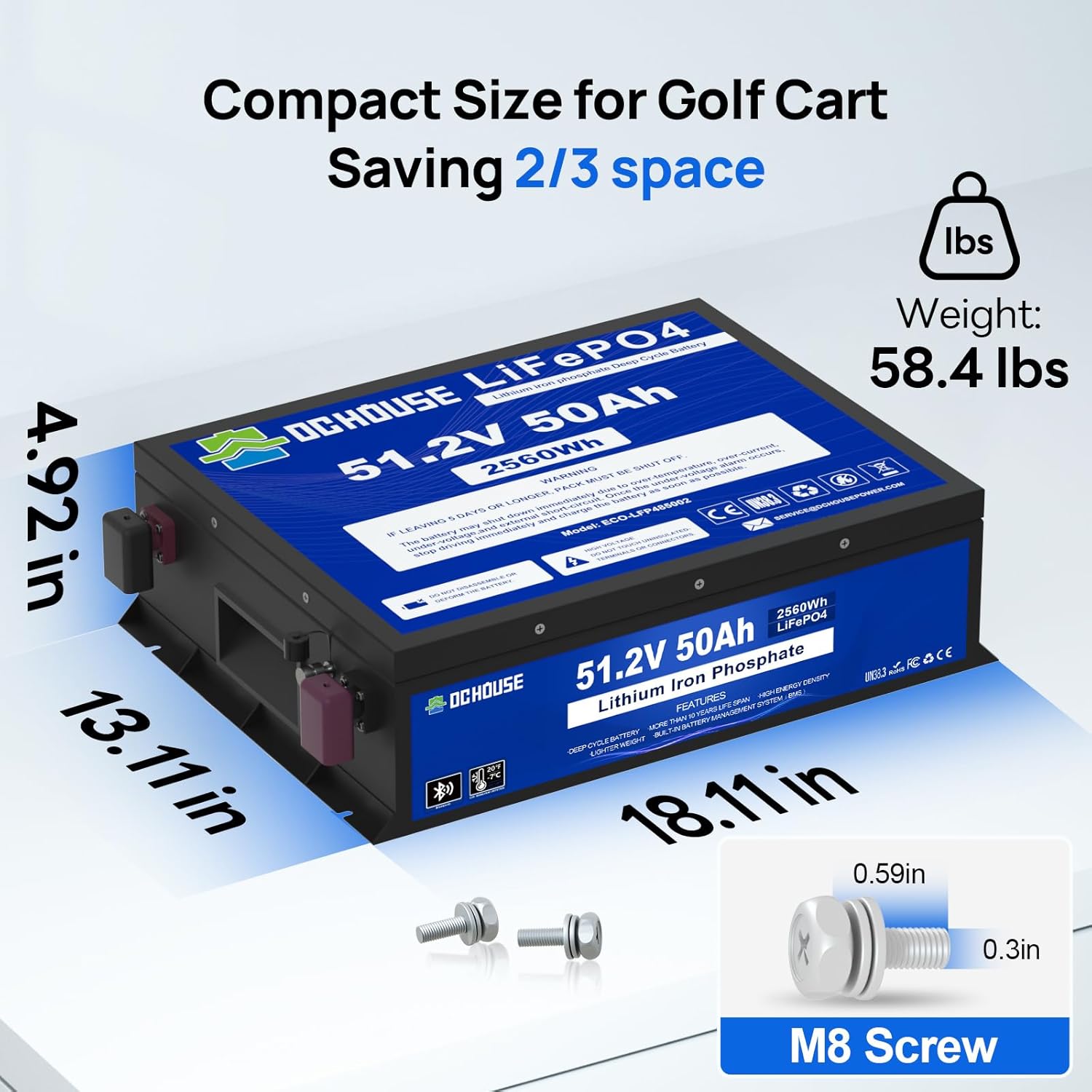
Image 8.1: Battery Dimensions and M8 Screw Details.

Image 8.2: Detailed Product Specifications Table.
9. Warranty and Support
For warranty information and technical support, please contact DC HOUSE directly through their official website or the retailer where the product was purchased. Keep your purchase receipt as proof of purchase.
DC HOUSE Contact Information:
- Visit the DC HOUSE Store on Amazon for more information and contact options.
Ask a question about this manual
Ask about setup, troubleshooting, compatibility, parts, safety, or missing instructions. Manuals+ will review the question and use this page’s manual context to help answer it.