
1. Introduction
This manual provides essential information for the proper handling, installation, and operation of the A1931 2SA1931 TO-220F transistor. This component is designed for various electronic applications requiring switching or amplification. Please read this manual thoroughly before use to ensure safe and effective integration into your electronic projects.
2. Product Overview
The A1931 2SA1931 is a power transistor supplied in a TO-220F package, known for its robust design and heat dissipation capabilities. This product typically comes in a pack of 10 units. It is crucial to note that due to multiple manufacturers for the same model, production dates and specific characteristics may vary slightly. Always refer to the component's datasheet for precise electrical parameters.

Figure 2.1: A single A1931 2SA1931 TO-220F transistor, showcasing its three leads and mounting hole.
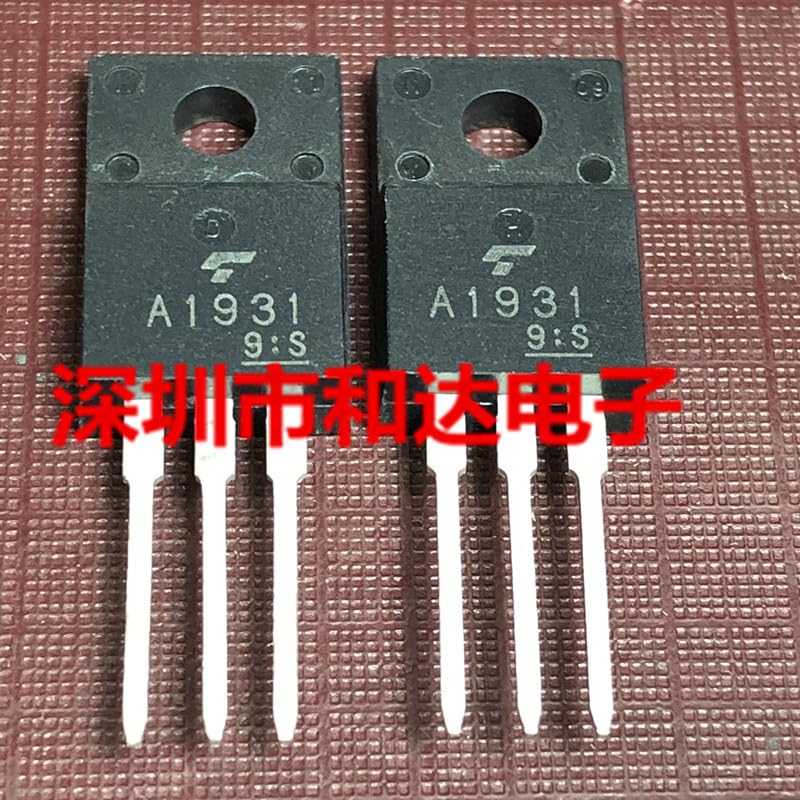
Figure 2.2: Two A1931 2SA1931 TO-220F transistors, illustrating the typical appearance of the component.
3. Specifications
Key specifications for the A1931 2SA1931 TO-220F transistor are provided below. For detailed electrical characteristics, refer to the manufacturer's official datasheet.
| Specification | Detail |
|---|---|
| Model Number | A1931 2SA1931 |
| Package Type | TO-220F |
| Manufacturer | Import brand |
| ASIN | B0CJ9WS38K |
| Date First Available | September 18, 2023 |
4. Setup and Installation
Proper installation is critical for the performance and longevity of the A1931 2SA1931 transistor. Follow these general guidelines:
- Electrostatic Discharge (ESD) Precautions: Always handle the component in an ESD-safe environment. Use an ESD wrist strap and mat to prevent damage from static electricity.
- Pin Identification: Carefully identify the Base, Collector, and Emitter pins. Refer to the specific datasheet for the A1931 2SA1931 for accurate pinout information, as incorrect connections can lead to component failure.
- Mounting: The TO-220F package is designed for through-hole mounting. Ensure the component is securely mounted to a heatsink if required by your application, using appropriate thermal paste or pads to facilitate heat transfer.
- Soldering: Use a soldering iron with a temperature-controlled tip. Apply solder quickly and efficiently to avoid overheating the component. Ensure good solder joints without bridges or cold joints.
- Circuit Integration: Integrate the transistor into your circuit according to your design specifications. Double-check all connections before applying power.

Figure 4.1: A strip of multiple TO-220F packaged components, illustrating how they might be supplied for assembly.
5. Operating Principles
The A1931 2SA1931 is a Bipolar Junction Transistor (BJT) primarily used for switching or amplification. Its operation involves controlling a larger current flow between the collector and emitter terminals by applying a smaller current to the base terminal. The specific operating characteristics, such as maximum collector current, collector-emitter voltage, and power dissipation, are critical for proper circuit design and must be adhered to as specified in the component's datasheet.
- Switching Applications: When used as a switch, the transistor is driven into saturation (fully ON) or cutoff (fully OFF) to control power to a load.
- Amplification Applications: In amplification, the transistor operates in its active region, where a small change in base current results in a proportional, larger change in collector current.
6. Maintenance
Transistors like the A1931 2SA1931 are generally maintenance-free once properly installed. However, consider the following for optimal performance and longevity:
- Environmental Conditions: Ensure the operating environment is within the specified temperature and humidity ranges. Avoid exposure to corrosive substances.
- Heat Management: Verify that the heatsink (if used) remains clean and free of dust buildup, which can impede heat dissipation. Periodically check thermal paste integrity if applicable.
- Physical Inspection: Occasionally inspect the component and its solder joints for any signs of physical damage, discoloration from overheating, or loose connections.
7. Troubleshooting
If your circuit involving the A1931 2SA1931 transistor is not functioning as expected, consider these troubleshooting steps:
- Verify Connections: Double-check all wiring and solder joints for correctness and integrity. Ensure no short circuits or open circuits are present.
- Check Power Supply: Confirm that the power supply voltages are stable and within the specified limits for the transistor and the overall circuit.
- Component Orientation: Ensure the transistor is installed with the correct pinout (Base, Collector, Emitter) as per the datasheet.
- Overheating: Feel the transistor (carefully, if powered) or use a thermal camera to check for excessive heat, which could indicate an overload or insufficient heat dissipation.
- Test Component: If possible, test the transistor out of circuit using a multimeter or component tester to verify its basic functionality.
- Consult Datasheet: Re-examine the A1931 2SA1931 datasheet for maximum ratings and operating conditions. Ensure your application does not exceed these limits.
8. Warranty and Support
For warranty information, technical support, or inquiries regarding the A1931 2SA1931 TO-220F transistors, please contact the seller or the manufacturer, Import brand, directly. Keep your purchase records handy when seeking support.