
Introduction
This manual provides essential information for the proper installation, operation, and maintenance of the Fuel Lift Pump, part number 16285-52032. This pump is designed for specific utility vehicles and engines, including D905, D1005, D1105, V1305, and V1505 engines, as well as RTV Series vehicles such as RTV1100CR, RTV1100CR9, RTV1100CRX, RTV1100CW, RTV1100CW9, RTV1100WX, RTV1140CPX, and RTV1140CPXR. Please read this manual thoroughly before attempting any installation or maintenance procedures.
Product Overview
The Fuel Lift Pump 16285-52032 is a critical component in the fuel delivery system, responsible for drawing fuel from the tank and supplying it to the engine's injection system. It is a direct replacement for part numbers 16285-52032 and 16285-52030.
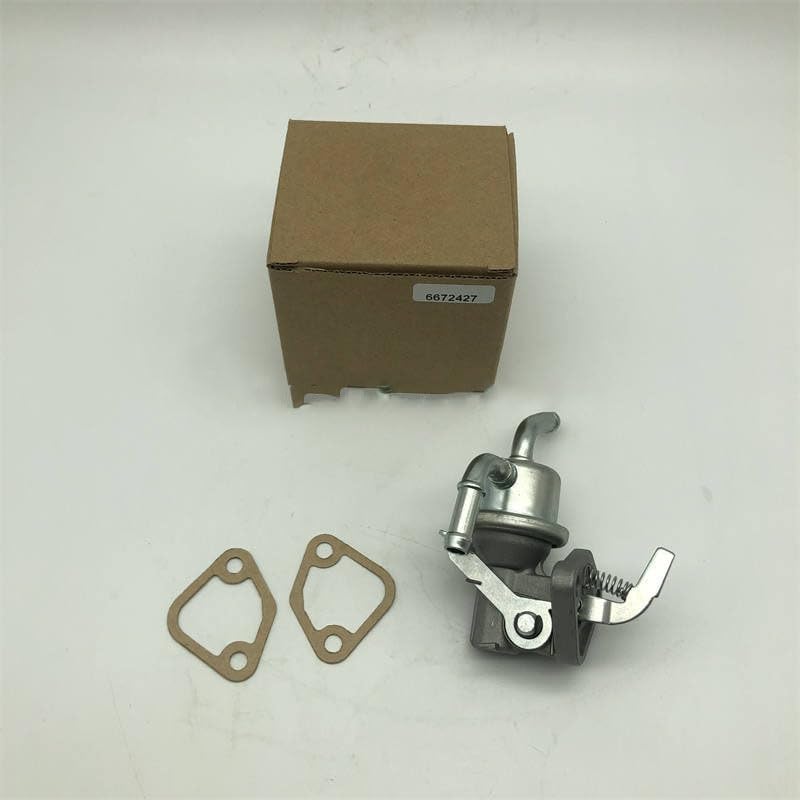
Figure 1: The Fuel Lift Pump (part number 16285-52032) shown with its brown cardboard packaging box and two paper gaskets. The pump itself is metallic with a lever arm and fuel line connections.
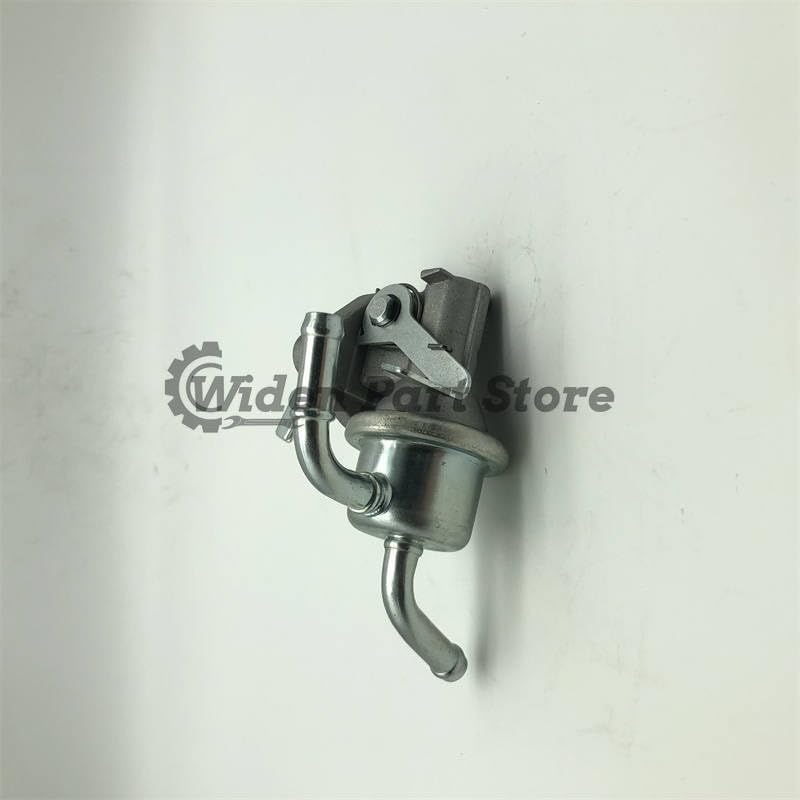
Figure 2: A side view of the Fuel Lift Pump, highlighting the fuel inlet and outlet pipes and the mechanical lever mechanism. The pump body is made of metal.
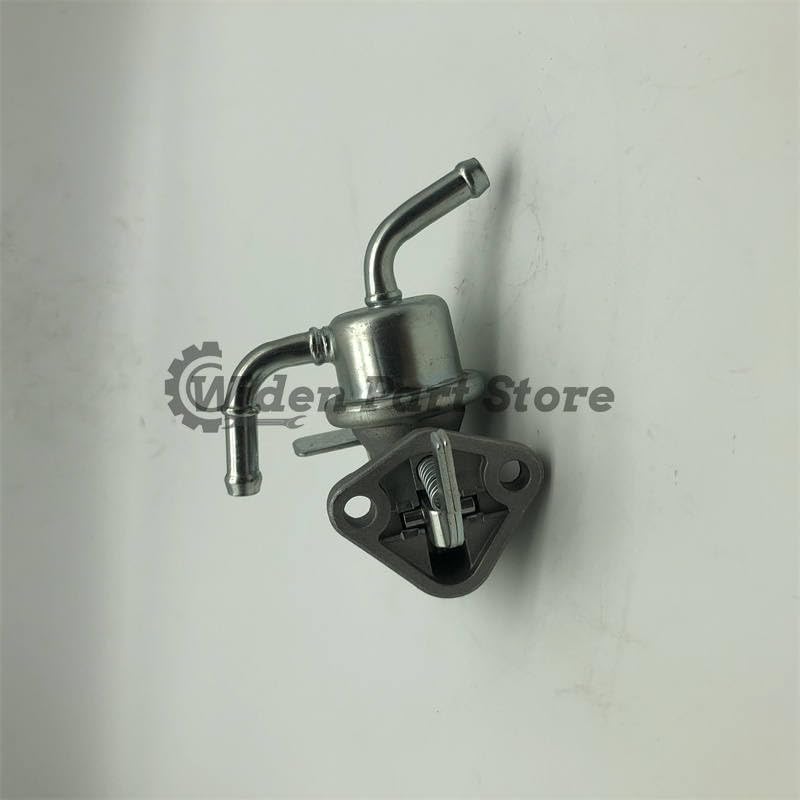
Figure 3: A view of the underside of the Fuel Lift Pump, showing the mounting flange with bolt holes and the plunger mechanism that interacts with the engine's camshaft.
Key Features:
- Direct replacement for OEM part numbers 16285-52032 and 16285-52030.
- Constructed from durable materials, including copper, for reliable performance.
- Designed for precise fit and function in compatible utility vehicles and engines.
Setup and Installation
Proper installation is crucial for the correct operation and longevity of the fuel lift pump. It is recommended that installation be performed by a qualified technician.
Safety Precautions:
- Ensure the engine is off and cool before beginning work.
- Disconnect the vehicle's battery to prevent accidental starting or electrical shorts.
- Work in a well-ventilated area. Fuel vapors are flammable.
- Have a fire extinguisher readily available.
- Wear appropriate personal protective equipment, including gloves and eye protection.
- Relieve fuel system pressure before disconnecting fuel lines.
Installation Steps:
- Locate the Existing Pump: Identify the current fuel lift pump on your engine. It is typically mounted on the engine block.
- Disconnect Fuel Lines: Carefully disconnect the fuel inlet and outlet lines from the old pump. Be prepared for some fuel spillage and use appropriate containers to catch it.
- Remove Mounting Bolts: Unbolt the old pump from the engine block. Note the orientation of the pump and any gaskets.
- Clean Mounting Surface: Thoroughly clean the mounting surface on the engine block to ensure a good seal with the new pump. Remove any old gasket material.
- Install New Gaskets: Place the new gaskets (provided with the pump) onto the mounting surface or the new pump. Ensure they are correctly aligned.
- Mount New Pump: Position the new fuel lift pump onto the engine block, aligning the bolt holes. Ensure the lever arm is correctly seated against the camshaft lobe.
- Secure Mounting Bolts: Install and tighten the mounting bolts evenly to the manufacturer's specified torque (refer to your vehicle's service manual for exact torque specifications). Do not overtighten.
- Reconnect Fuel Lines: Reconnect the fuel inlet and outlet lines to the new pump. Ensure all connections are secure and free of leaks.
- Reconnect Battery: Reconnect the vehicle's battery.
- Prime Fuel System: Before starting the engine, it may be necessary to prime the fuel system to remove any air. Consult your vehicle's service manual for the specific priming procedure. This often involves manually operating the pump's lever or cycling the ignition.
- Check for Leaks: Start the engine and carefully inspect all fuel line connections around the new pump for any signs of leaks.
Operation
Once installed, the fuel lift pump operates automatically as part of the engine's fuel system. It is a mechanical pump driven by the engine's camshaft.
Normal Operation:
- The pump draws fuel from the fuel tank through the inlet line.
- It then pressurizes the fuel and sends it through the outlet line to the fuel filter and subsequently to the fuel injection pump or carburetor.
- Some pumps include a manual priming lever, which can be used to fill the fuel system with fuel after maintenance or if the tank has run dry.
Maintenance
The fuel lift pump is generally a low-maintenance component. However, regular checks of the fuel system are recommended.
Recommended Checks:
- Visual Inspection: Periodically inspect the pump and surrounding fuel lines for any signs of leaks, cracks, or damage.
- Fuel Filter: Ensure the fuel filter is replaced according to your vehicle's maintenance schedule. A clogged fuel filter can put undue strain on the fuel lift pump.
- Fuel Quality: Use clean, high-quality fuel to prevent contamination and premature wear of fuel system components.
Troubleshooting
If you experience issues with your fuel system, the fuel lift pump may be a contributing factor. Here are some common symptoms and potential causes:
| Symptom | Possible Cause | Solution |
|---|---|---|
| Engine Cranks but Won't Start | No fuel reaching the engine; faulty pump; clogged fuel filter; air in fuel lines. | Check fuel level; inspect fuel lines for leaks; replace fuel filter; prime fuel system; test pump operation. |
| Engine Stalling or Misfiring | Insufficient fuel delivery; intermittent pump failure. | Check fuel pressure; inspect fuel lines; consider pump replacement if other issues are ruled out. |
| Fuel Leaks Around Pump | Loose connections; damaged gaskets; cracked pump housing. | Tighten fuel line connections; replace gaskets; replace pump if housing is damaged. |
| Excessive Noise from Pump Area | Air in fuel system; worn internal components. | Bleed air from fuel system; if noise persists and performance is affected, pump may need replacement. |
Note: For complex issues or if you are unsure about any procedure, it is always best to consult a professional mechanic or refer to your vehicle's specific service manual.
Specifications
| Attribute | Detail |
|---|---|
| Part Number | 16285-52032 |
| Interchange Part Numbers | 16285-52030 |
| Application (Engines) | D905, D1005, D1105, V1305, V1505 |
| Application (Utility Vehicles) | RTV1100CR, RTV1100CR9, RTV1100CRX, RTV1100CW, RTV1100CW9, RTV1100WX, RTV1140CPX, RTV1140CPXR |
| Material | Copper |
| Condition | New, Replacement |
| Manufacturer | Generic |
| Model Number | YCXT_Yrb_11614 |
Warranty and Support
This product is a replacement part. While specific warranty details are not provided in this manual, standard return policies typically apply. For any issues or support inquiries, please contact the seller or distributor from whom the product was purchased.
For technical assistance related to your vehicle or engine, always refer to the official service manual provided by the vehicle or engine manufacturer.