
1. Introduction
This instruction manual provides essential information for the safe and efficient installation, operation, and maintenance of the PULME BM1418HQF-500W series DC brushless differential gear motor. This motor is designed for various applications, including electric bicycles, candy silk machines, medical equipment, small cutting tables, and grinding machines. Please read this manual thoroughly before using the product to ensure proper function and longevity.
2. Safety Information
Adhering to safety guidelines is crucial for preventing injury and damage to the motor. Always observe the following precautions:
- Electrical Safety: Ensure all wiring is performed by a qualified professional. Disconnect power before making any connections or performing maintenance.
- Controller Requirement: This brushless motor requires an external controller to operate. It cannot function without one. Ensure the controller's specifications match the motor's voltage (48V or 60V) and power rating.
- Voltage Compatibility: Verify that the power supply voltage matches the motor's rated voltage (48V or 60V). Incorrect voltage can cause severe damage.
- Secure Mounting: Mount the motor securely to a stable surface to prevent vibration and movement during operation.
- Ventilation: Ensure adequate ventilation around the motor to prevent overheating.
- Moving Parts: Keep hands, clothing, and tools clear of moving parts during operation.
- Environmental Conditions: Avoid exposing the motor to excessive moisture, dust, or corrosive environments.
3. Product Overview
The PULME BM1418HQF-500W series DC brushless differential gear motor is engineered for high performance and durability. Key features include:
- Smooth Operation: Designed for quiet operation with minimal noise.
- High Efficiency: Provides stable and high-quality operating performance with high working efficiency and low dynamic loss.
- Robust Design: Features high-speed operation, stable driving, and large torque output.
- Durable Construction: Manufactured from high-quality metal for anti-oxidation, anti-corrosion, anti-rust, and long-lasting durability.
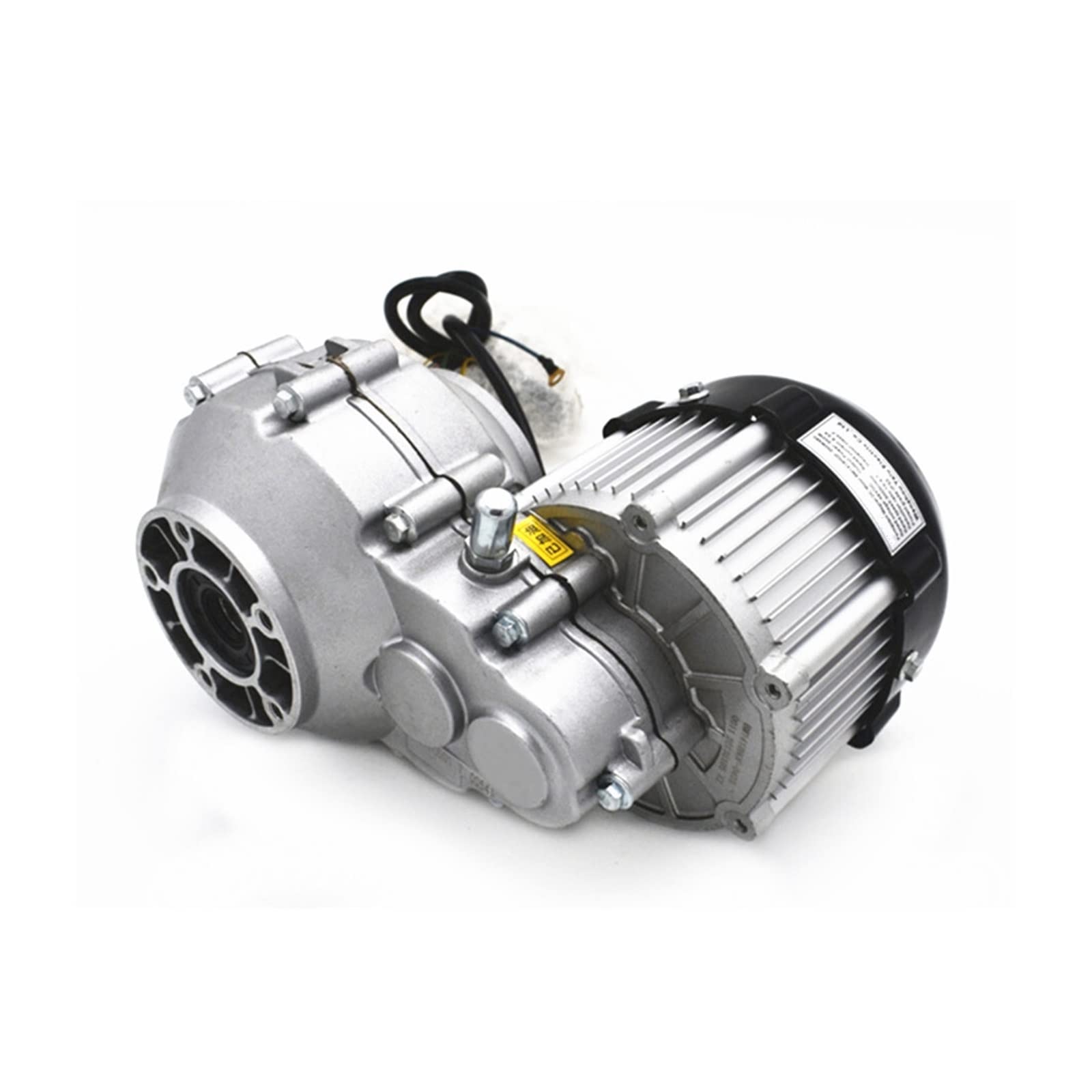
Figure 3.1: Side view of the PULME BM1418HQF-500W DC Brushless Motor, showing the main casing and gear assembly.

Figure 3.2: Close-up view of the motor, highlighting the specification label on the motor housing.

Figure 3.3: View of the gearbox side, showing the output shaft and mounting points.

Figure 3.4: Rear view of the motor, showing the cooling fan cover and electrical connections.
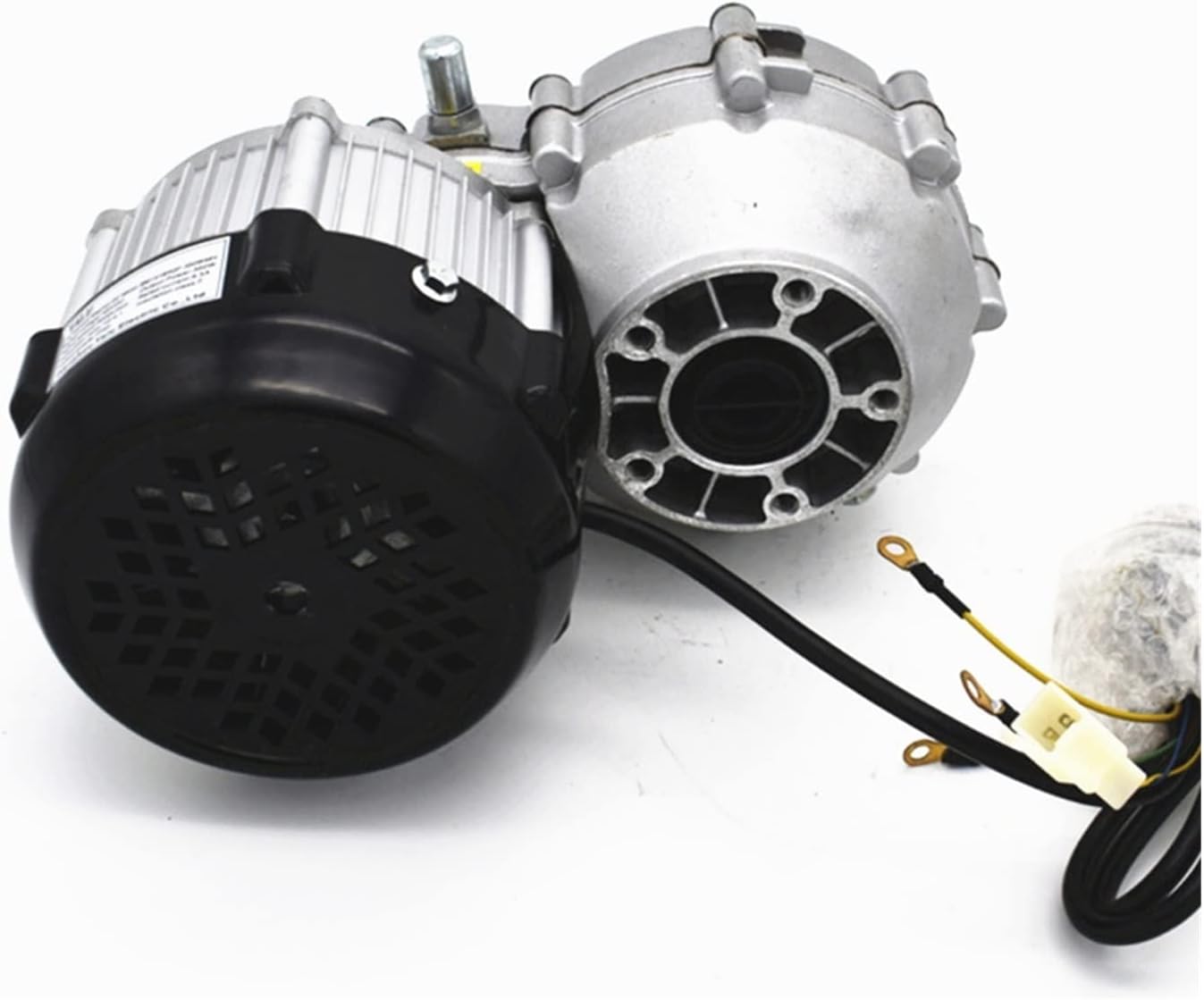
Figure 3.5: The complete motor and gearbox assembly from an angled perspective.

Figure 3.6: The motor with its integrated wiring harness, ready for connection to a controller.
4. Specifications
| Attribute | Value |
|---|---|
| Brand | PULME |
| Model | BM1418HQF-500W (Available in 48V and 60V variants) |
| Horsepower | 500 Watts |
| Material | Metal |
| Item Weight | 10000 Grams (10 kg) |
| Unit Count | 1.0 Count |
| ASIN | B0CH7NJDW6 (for 500W 60V variant) |
5. Setup and Installation
Proper installation is critical for the motor's performance and safety.
- Unpacking: Carefully remove the motor from its packaging and inspect for any signs of damage during transit.
- Mounting: Securely attach the motor to the intended application frame or chassis using appropriate fasteners. Ensure all mounting points are utilized and tightened to prevent movement.
- Controller Connection: Connect the motor to a compatible DC brushless motor controller. Ensure the controller's voltage (48V or 60V) and power rating match the motor. Refer to the controller's manual for specific wiring diagrams.
- Power Supply: Connect the controller to a stable DC power supply that matches the motor's voltage. Double-check all electrical connections for polarity and secure fit.
- Initial Check: Before applying full power, perform a brief test run at low speed to confirm correct rotation and smooth operation.
Important: This motor is a brushless type and requires a dedicated brushless motor controller for operation. Direct connection to a power source without a controller will not work and may damage the motor.
6. Operating Instructions
Once installed and connected to a suitable controller and power supply, the motor can be operated.
- Power On: Activate the power supply to the controller.
- Speed Control: Use the controller's interface (e.g., throttle, potentiometer) to adjust the motor speed. Start with low speeds and gradually increase as needed.
- Load Application: Apply the load gradually. Avoid sudden heavy loads, especially during startup.
- Monitoring: During operation, monitor the motor for unusual noises, excessive heat, or vibrations. If any anomalies occur, shut down the system immediately and troubleshoot.
- Duty Cycle: Adhere to the recommended duty cycle for your specific application to prevent overheating and premature wear.
7. Maintenance
Regular maintenance helps ensure the motor's long-term reliability and performance.
- Cleaning: Periodically clean the exterior of the motor to remove dust and debris. Ensure ventilation openings are clear. Use a dry cloth or compressed air.
- Inspection: Regularly inspect all electrical connections for tightness and signs of wear or corrosion. Check mounting bolts for tightness.
- Lubrication: The gearbox may require periodic lubrication. Consult the specific gearbox manufacturer's recommendations for lubricant type and frequency.
- Storage: If the motor is to be stored for an extended period, store it in a dry, clean environment, protected from extreme temperatures and humidity.
8. Troubleshooting
This section addresses common issues you might encounter with the motor.
| Problem | Possible Cause | Solution |
|---|---|---|
| Motor does not start | No power to controller; incorrect wiring; faulty controller; motor not connected to controller. | Check power supply and connections. Verify controller functionality. Ensure motor is correctly wired to the controller. |
| Motor runs intermittently | Loose electrical connections; intermittent power supply; controller issue. | Inspect all wiring for secure connections. Check power supply stability. Consult controller manual for diagnostics. |
| Unusual noise or vibration | Loose mounting; damaged bearings; foreign object in gearbox; excessive load. | Tighten mounting bolts. Inspect for physical damage. Reduce load. If noise persists, professional inspection may be required. |
| Motor overheats | Excessive load; insufficient ventilation; prolonged operation at high power; controller malfunction. | Reduce load. Ensure clear airflow around the motor. Allow for cooling periods. Check controller settings. |
9. Warranty and Support
For warranty information or technical support, please refer to the documentation provided at the time of purchase or contact your retailer or the manufacturer directly. Ensure you have your product model number (BM1418HQF-500W) and purchase details available when seeking support.