
1. Introduction
This manual provides essential information for the installation, operation, and maintenance of your DEUSES replacement carburetor. This carburetor is designed for specific Robin 49CC brush cutter and trimmer models, including NB411, CG411, BG411, and EC04, serving as a direct replacement for part number 5416040000. Please read this manual thoroughly before attempting any installation or maintenance to ensure proper function and safety.
2. Safety Information
WARNING:
- Always wear appropriate personal protective equipment (PPE), such as gloves and eye protection, when working with fuel systems and engine components.
- Ensure the engine is turned off and cooled down before performing any installation, maintenance, or inspection.
- Work in a well-ventilated area to avoid inhaling fuel fumes.
- Keep open flames, sparks, and other ignition sources away from fuel and fuel system components.
- Handle fuel with extreme care. Fuel is highly flammable and can cause serious injury or death.
- If you are unsure about any step, consult a qualified technician.
3. Package Contents
Verify that all items are present and undamaged upon opening the package.
- 1 x DEUSES Carburetor (Replacement for Robin NB411, CG411, BG411, EC04)

Image 3.1: Side view of the DEUSES Carburetor, showing the main body and throttle linkage.
4. Setup and Installation
This carburetor is a direct replacement part. Installation typically involves removing the old carburetor and installing the new one. Refer to your specific brush cutter or trimmer's service manual for detailed instructions on removing and installing engine components.
Required Tools (Not Included):
- Screwdrivers (Phillips and flathead)
- Wrenches or sockets (appropriate sizes for your engine)
- Pliers
- Fuel line clamps or plugs
- Clean rags
Installation Steps:
- Prepare the Engine: Ensure the engine is off and cool. Disconnect the spark plug wire to prevent accidental starting.
- Drain Fuel: If necessary, drain the fuel tank or clamp the fuel lines to prevent fuel leakage during removal.
- Remove Air Filter Assembly: Carefully remove the air filter housing and air filter to access the carburetor.
- Disconnect Linkages and Lines:
- Disconnect the throttle cable from the carburetor.
- Disconnect the choke linkage (if applicable).
- Carefully detach all fuel lines (inlet and return) from the carburetor. Note their positions for reinstallation.
- Remove Old Carburetor: Unscrew the mounting bolts or nuts that secure the carburetor to the engine intake manifold. Carefully remove the old carburetor, ensuring any gaskets are also removed.
- Inspect and Clean: Inspect the intake manifold and surrounding areas for debris. Clean as necessary. Ensure new gaskets (if required and not included with the carburetor) are ready.
- Install New Carburetor:
- Place new gaskets (if applicable) onto the intake manifold.
- Position the new DEUSES carburetor onto the mounting studs/bolts.
- Secure the carburetor with the mounting bolts/nuts. Tighten evenly to prevent air leaks, but do not overtighten.
- Reconnect Linkages and Lines:
- Reconnect the fuel lines to their correct ports on the new carburetor. Ensure connections are secure.
- Reconnect the throttle cable and choke linkage. Verify smooth operation of both.
- Reinstall Air Filter Assembly: Reattach the air filter and its housing.
- Reconnect Spark Plug: Reconnect the spark plug wire.
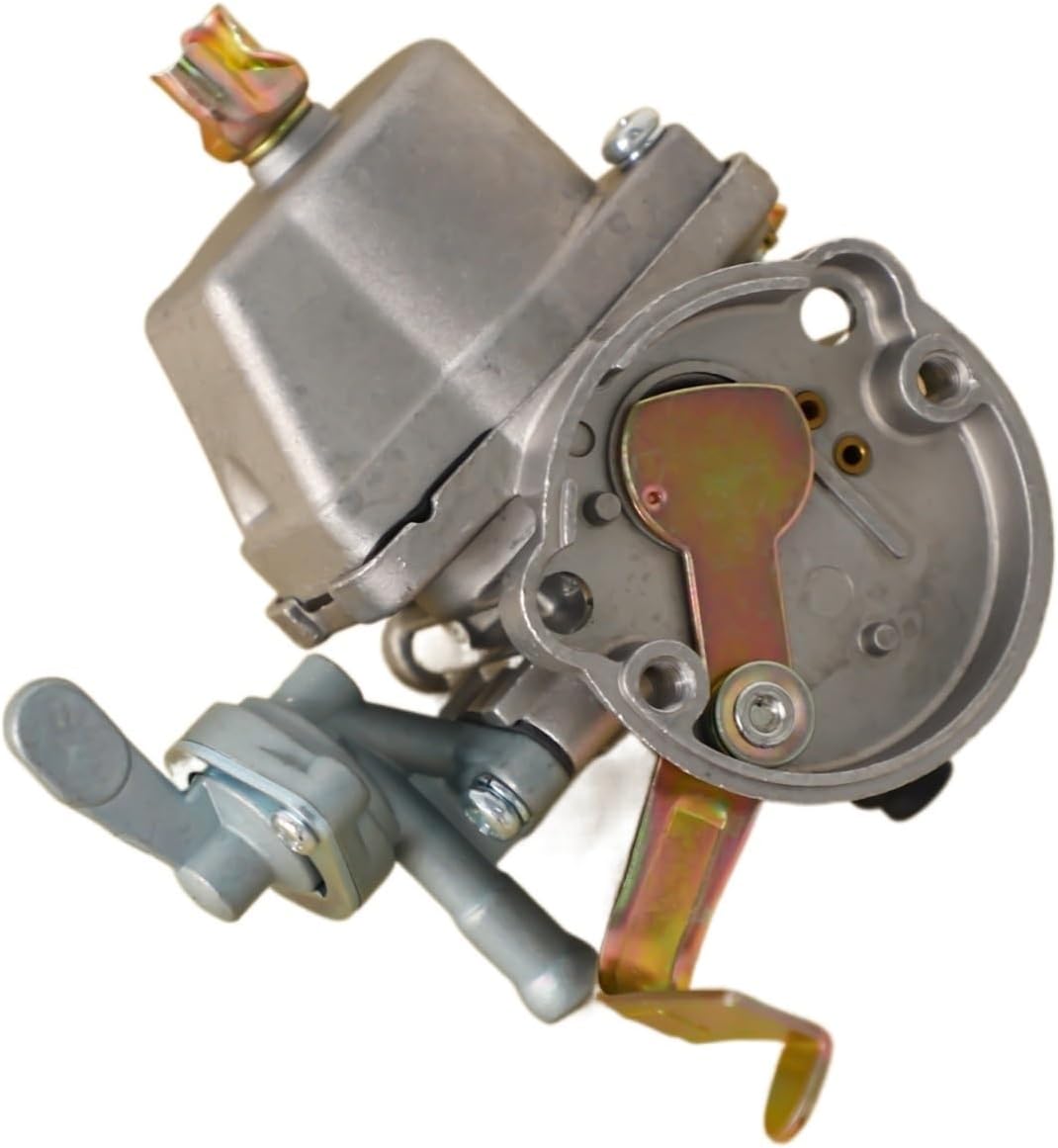
Image 4.1: Angled view of the carburetor, highlighting the fuel inlet and adjustment screws (if present).

Image 4.2: Top view of the carburetor, showing the choke lever and air intake.
5. Operating Instructions (Post-Installation)
After installing the new carburetor, perform the following checks before starting the engine:
- Fuel Check: Ensure the fuel tank contains the correct fuel/oil mixture as specified by your engine manufacturer. Check for any fuel leaks around the carburetor and fuel lines.
- Throttle and Choke: Verify that the throttle and choke levers move freely and return to their proper positions.
- Initial Start-up:
- Set the choke to the "START" or "CLOSED" position.
- Prime the carburetor if your engine has a primer bulb, until fuel is visible.
- Pull the starter cord according to your engine's starting procedure.
- Once the engine fires or attempts to start, move the choke to the "RUN" or "OPEN" position.
- Continue pulling the starter cord until the engine runs smoothly.
- Idle Adjustment: Allow the engine to warm up for a few minutes. If the idle speed is too high or too low, locate the idle adjustment screw on the carburetor (refer to your engine's manual for exact location) and adjust it until the engine idles smoothly without stalling.
- Performance Check: Test the engine under light load to ensure proper acceleration and power delivery.
6. Maintenance
Regular maintenance of your carburetor and associated fuel system components will ensure optimal engine performance and longevity.
- Air Filter: Regularly inspect and clean or replace the air filter. A clogged air filter can restrict airflow to the carburetor, leading to poor engine performance.
- Fuel Filter: Check and replace the in-tank fuel filter periodically. A dirty fuel filter can restrict fuel flow and cause carburetor issues.
- Fuel Lines: Inspect fuel lines for cracks, leaks, or hardening. Replace damaged fuel lines immediately.
- Carburetor Cleaning: If the engine experiences performance issues due to fuel contamination, the carburetor may need cleaning. This typically involves disassembling the carburetor, cleaning jets and passages with carburetor cleaner, and replacing gaskets. This procedure should only be performed by individuals with mechanical experience.
- Fuel Quality: Always use fresh, clean fuel mixed with the correct ratio of 2-stroke oil (if applicable to your engine). Stale or contaminated fuel is a common cause of carburetor problems.
7. Troubleshooting
If you encounter issues after installing the new carburetor, consider the following common problems and solutions:
| Problem | Possible Cause | Solution |
|---|---|---|
| Engine will not start | No fuel reaching carburetor; clogged fuel filter; incorrect choke setting; spark plug issue. | Check fuel lines and filter for blockages. Ensure choke is set correctly. Verify spark plug is clean and firing. |
| Engine starts but stalls | Idle speed too low; air leak around carburetor; fuel delivery issue. | Adjust idle screw. Check carburetor mounting bolts for tightness. Inspect fuel lines. |
| Engine runs rough or lacks power | Clogged air filter; dirty carburetor jets; incorrect fuel mixture; exhaust blockage. | Clean or replace air filter. Clean carburetor jets (professional service recommended). Ensure correct fuel/oil mix. Check exhaust for blockages. |
| Fuel leaks | Loose fuel line connections; damaged fuel lines; faulty carburetor gasket. | Tighten fuel line clamps. Replace damaged fuel lines. Inspect and replace carburetor gaskets if necessary. |
If troubleshooting steps do not resolve the issue, it is recommended to consult a qualified small engine mechanic.
8. Specifications
- Product Type: Replacement Carburetor
- Brand: DEUSES
- Model Compatibility: Robin NB411, CG411, BG411, EC04
- Engine Displacement: 49CC
- Replaces Part Number: 5416040000
- Material: Metal
- Color: Silver
- Item Weight: 1 Grams
- Unit Count: 1.0 Count
9. Warranty and Support
For information regarding warranty coverage and customer support, please refer to the seller or manufacturer's official documentation provided at the time of purchase. Keep your proof of purchase for any warranty claims.