
1. Introduction
This manual provides essential information for the proper installation, function, and maintenance of your Delphi TA6400 Steering Tie Rod End. The Delphi TA6400 is engineered to meet original equipment (OE) precision standards, ensuring reliable steering performance and durability.
Key features of the Delphi TA6400 include:
- Complete Job Accessories: Includes all necessary accessories for a straightforward installation.
- Precision Machined Ball Studs: Ball studs are machined to micron tolerances for smooth joint operation and enhanced durability.
- Fatigue Tested: Each tie rod undergoes rigorous fatigue testing to prevent premature failure.
- Anti-Corrosion Protection: Applied to each part for optimal corrosion resistance and extended lifespan.
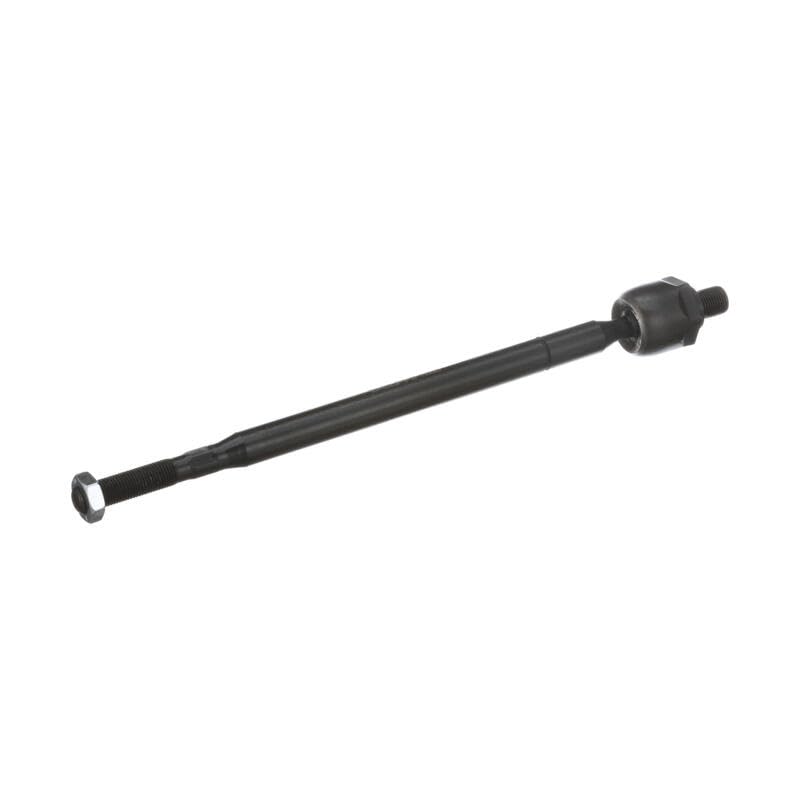
Figure 1: Full view of the Delphi TA6400 Steering Tie Rod End. This image displays the complete assembly, including the threaded shaft and the ball joint housing.
2. Installation
Installation of steering components requires specialized tools and knowledge. It is highly recommended that installation be performed by a qualified automotive technician. Improper installation can lead to steering issues, loss of vehicle control, and serious injury.
2.1 Safety Precautions
- Always wear appropriate personal protective equipment (PPE), including safety glasses and gloves.
- Ensure the vehicle is securely supported on jack stands on a level surface before beginning work.
- Disconnect the vehicle's battery to prevent accidental electrical activation.
- Refer to your vehicle's service manual for specific torque specifications and procedures.
2.2 General Installation Steps (Consult Vehicle Manual for Specifics)
- Prepare Vehicle: Lift the vehicle and secure it. Remove the wheel.
- Mark Alignment: Before removal, mark the position of the tie rod end on the tie rod to aid in initial alignment. Count the number of turns required to remove the old tie rod end.
- Remove Old Tie Rod End: Loosen the jam nut. Remove the cotter pin and castle nut from the ball joint stud. Use a tie rod end puller or separator tool to detach the tie rod end from the steering knuckle. Unscrew the tie rod end from the tie rod.
- Install New Tie Rod End: Thread the new Delphi TA6400 tie rod end onto the tie rod, matching the previously marked position or number of turns. Ensure the jam nut is in place.
- Connect to Knuckle: Insert the ball joint stud into the steering knuckle. Install the castle nut and tighten to the vehicle manufacturer's specified torque. Install a new cotter pin.
- Tighten Jam Nut: Tighten the jam nut against the tie rod end to secure its position.
- Final Checks: Reinstall the wheel. Lower the vehicle.
- Wheel Alignment: A professional wheel alignment is mandatory after replacing any steering component to ensure proper vehicle handling and tire wear.
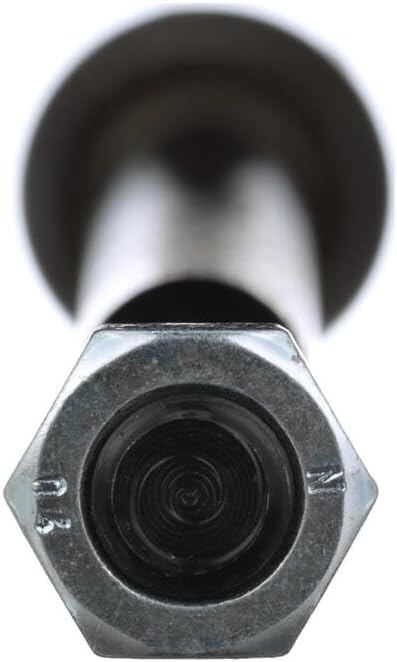
Figure 2: Close-up view of the ball joint end of the Delphi TA6400. This shows the protective boot and the stud that connects to the steering knuckle.

Figure 3: Close-up view of the threaded end of the Delphi TA6400. This end threads into the tie rod assembly.
3. Operating Principles
The Delphi TA6400 Steering Tie Rod End is a critical component of your vehicle's steering system. It connects the steering rack (or steering box) to the steering knuckle, allowing the wheels to turn in response to steering wheel input. The ball joint design permits articulation, accommodating suspension travel while maintaining precise steering geometry. Its robust construction and anti-corrosion properties ensure consistent performance under various driving conditions.
4. Maintenance
The Delphi TA6400 Steering Tie Rod End is designed for long-term, maintenance-free operation. However, regular inspection of your vehicle's steering and suspension components is crucial for safety and performance.
- Visual Inspection: During routine vehicle service, visually inspect the tie rod ends for any signs of damage, such as torn dust boots, corrosion, or bent components.
- Check for Play: With the vehicle safely lifted, check for excessive play in the tie rod end by grasping the wheel at the 3 and 9 o'clock positions and attempting to move it horizontally. Any noticeable looseness may indicate wear.
- Professional Inspection: Have your steering and suspension system professionally inspected at least once a year or as recommended by your vehicle manufacturer.
5. Troubleshooting
If you experience any of the following symptoms, your tie rod ends may require inspection or replacement:
- Loose Steering: Excessive play or looseness in the steering wheel.
- Uneven Tire Wear: Tires wearing unevenly, often on the inner or outer edge.
- Steering Wheel Vibration: Vibrations felt through the steering wheel, especially at certain speeds.
- Clunking or Popping Noises: Sounds coming from the front suspension when turning or driving over bumps.
- Vehicle Pulling: The vehicle consistently pulls to one side, even on a flat road.
If you observe any of these symptoms, consult a qualified automotive technician for diagnosis and repair.
6. Specifications
The following specifications pertain to the Delphi TA6400 Steering Tie Rod End:
| Attribute | Detail |
|---|---|
| Manufacturer | Delphi Technologies |
| Brand | Delphi |
| Model | Steering Tie Rod End |
| Item Model Number | TA6400 |
| Manufacturer Part Number | TA6400 |
| Exterior Finish | Machined |
| Item Weight | 950 g |
| Parcel Dimensions | 42.1 x 12.2 x 5.3 cm |
7. Warranty and Support
For information regarding the warranty coverage for your Delphi TA6400 Steering Tie Rod End, please refer to the documentation provided at the time of purchase or contact Delphi customer support directly. Warranty terms and conditions may vary based on region and retailer.
For technical support or further inquiries, please visit the official Delphi Technologies website or contact their customer service department.