
1. Introduction
The ZunDian Q7 is a versatile 4-in-1 portable device designed for automotive emergencies and convenience. It functions as a powerful car jump starter, a tire inflator with an air compressor, an LED flashlight with multiple modes, and a portable power bank for charging mobile devices. This manual provides essential information for safe and effective use of your ZunDian Q7.
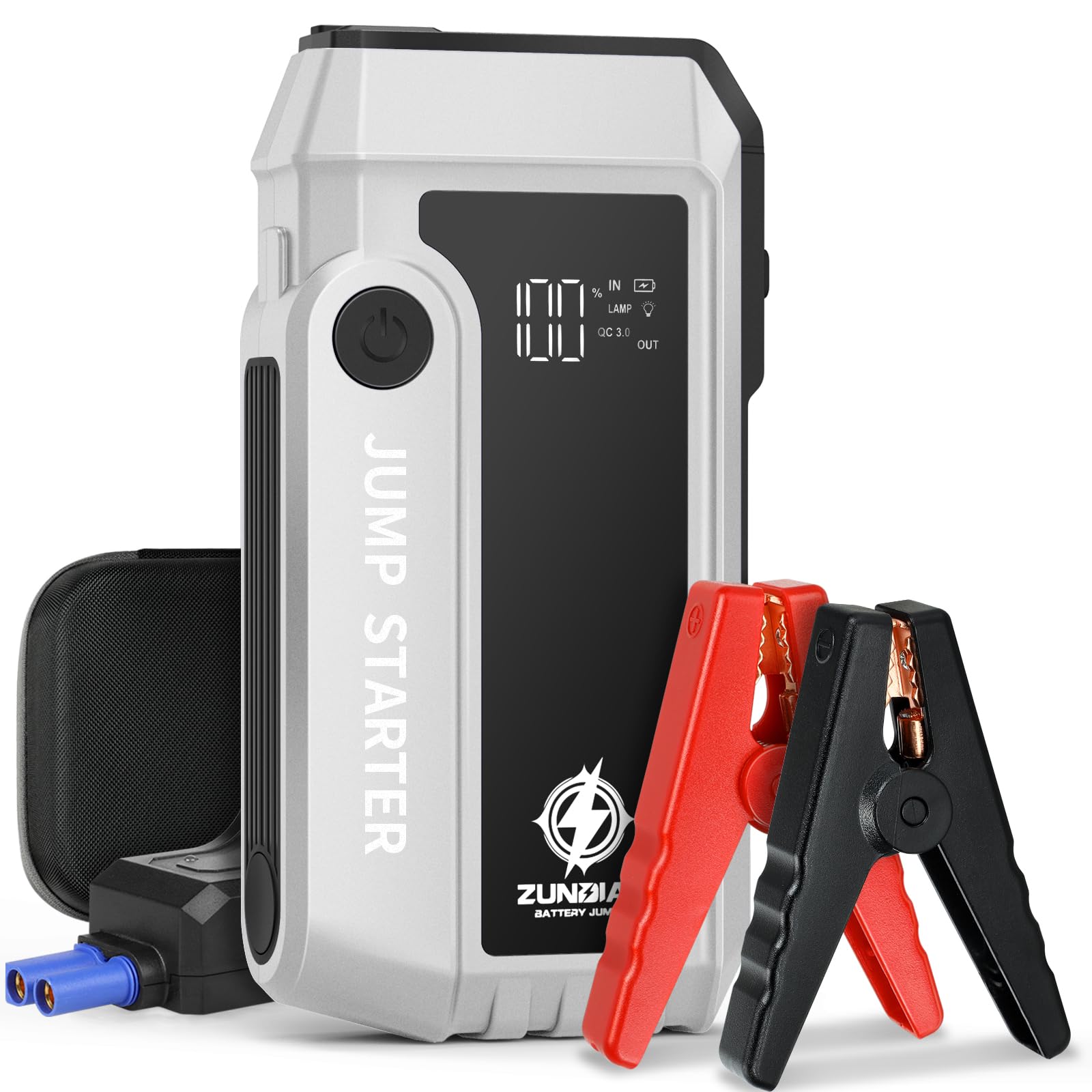
Figure 1: ZunDian Q7 3000A Peak Car Battery Jump Starter
2. Safety Information
Always read and understand all safety instructions before using this product. Failure to follow these instructions may result in electric shock, fire, and/or serious injury.
- Do not immerse the product in water.
- Do not operate the product in explosive atmospheres, such as in the presence of flammable liquids, gases, or dust.
- Keep the product away from children.
- Use only the smart jump cables provided with the device.
- Ensure proper polarity when connecting to a vehicle battery (red clamp to positive, black clamp to negative).
- Do not jump start a frozen battery.
- Disconnect the smart clamps from the jump starter immediately after successfully starting the vehicle.
3. Package Contents
Verify that all items are included in your package:
- 1 x ZunDian Q7 Jump Starter
- 1 x Smart Jump Cables
- 1 x USB Type-C Charging Cable
- 1 x Storage Case
- 3 x Air Nozzles
- 1 x User Manual
4. Product Overview
The ZunDian Q7 features a robust design with multiple ports and indicators for various functions.
- Power Button: Activates the device and controls flashlight modes.
- Battery Indicator Lights: Shows the remaining battery charge level.
- Jump Start Port: Connects the smart jump cables for vehicle starting.
- USB-A Output Ports: For charging mobile devices (5V3A, 9V2A, 12V1.5A).
- USB-C Input/Output Port: For charging the jump starter or other devices.
- LED Flashlight: Provides illumination, strobe, and SOS signals.
- Air Compressor Hose & Nozzles: Integrated for tire inflation.
- LCD Screen: Displays tire pressure status for the air compressor.

Figure 2: USB Output Ports and USB-C Port for charging devices.
5. Setup
Before first use, fully charge your ZunDian Q7 jump starter.
- Connect the provided USB Type-C charging cable to the USB-C input/output port on the jump starter.
- Connect the other end of the USB Type-C cable to a suitable USB wall adapter (not included).
- The battery indicator lights will illuminate, showing the charging progress. All lights will be solid when fully charged.
It is recommended to fully charge the device every 3-6 months to maintain battery health.
6. Operating Instructions
6.1. Jump Starting a Vehicle
The ZunDian Q7 can restart 12V vehicles (up to 10L Gas / 8.0L Diesel engines) in 3-5 seconds.
- Ensure the jump starter is sufficiently charged (at least 50% recommended).
- Connect the smart jump cables to the jump start port on the ZunDian Q7.
- Attach the red (+) clamp to the positive terminal of the vehicle battery.
- Attach the black (-) clamp to the negative terminal of the vehicle battery.
- The smart clamp indicator light will show green when connected correctly and ready to jump start. If it shows red, check connections for reverse polarity or short circuit.
- Start your vehicle.
- Once the vehicle starts, immediately remove the smart clamps from the vehicle battery, then disconnect them from the jump starter.

Figure 3: Connecting the smart jump cables to a vehicle battery.

Figure 4: Smart clamps with safety protection indicators.
6.2. Using the Air Compressor
The integrated air compressor provides 35L/min airflow and features 4 preset inflation modes.
- Pull out the air hose from the side of the jump starter.
- Attach the appropriate air nozzle to the hose and connect it to the item you wish to inflate (e.g., tire valve).
- Turn on the air compressor function. The LCD screen will display the current pressure.
- Select a preset mode (bicycle, motorcycle, car, ball) or manually set the desired pressure using the control buttons.
- Start inflation. The compressor will automatically stop once the target pressure is reached.
- Disconnect the hose and store it back in the device.
6.3. Charging Mobile Devices (Power Bank)
Use the USB output ports to charge your electronic devices.
- Connect your device's charging cable to one of the USB-A output ports or the USB-C port on the ZunDian Q7.
- The jump starter will automatically begin charging your device.
- The ZunDian Q7 supports fast charging outputs (5V3A, 9V2A, 12V1.5A).
6.4. Using the LED Flashlight
The built-in LED flashlight offers three modes for various situations.
- Press and hold the power button for a few seconds to turn on the flashlight (Normal mode).
- Press the power button again to cycle through the modes: Normal > Strobe > SOS.
- Press and hold the power button again to turn off the flashlight.

Figure 5: Emergency LED light in use.
7. Maintenance
Proper maintenance ensures the longevity and performance of your ZunDian Q7.
- Keep the device clean and dry. Wipe with a soft, damp cloth if necessary.
- Store the jump starter in its protective case in a cool, dry place when not in use.
- Recharge the device every 3-6 months, even if not used, to prevent deep discharge and prolong battery life.
- Avoid exposing the device to extreme temperatures (below -4°F or above 140°F) for extended periods.
8. Troubleshooting
If you encounter issues with your ZunDian Q7, refer to the following common problems and solutions:
| Problem | Possible Cause | Solution |
|---|---|---|
| Vehicle does not start | Low charge on jump starter; incorrect clamp connection; severely discharged vehicle battery. | Ensure jump starter is fully charged. Check clamp connections for correct polarity. Press the 'Boost' button on the smart clamps if available and safe to do so, then try again. |
| Air compressor not working | Device not powered on; hose not properly connected; low battery. | Ensure the air compressor switch is ON. Check hose connection. Recharge the jump starter. |
| Mobile device not charging | Incorrect cable; low battery on jump starter; device not compatible. | Use a compatible USB cable. Recharge the jump starter. Try a different USB port. |
| Flashlight not turning on | Power button not pressed correctly; low battery. | Press and hold the power button for a few seconds. Recharge the jump starter. |
9. Specifications
| Feature | Detail |
|---|---|
| Brand | ZunDian |
| Model | Q7 |
| Peak Amperage | 3000 Amps (Product Title states 3000A, Feature Bullets state 4000A. Using 3000A from title for consistency.) |
| Voltage | 12 Volts |
| Engine Compatibility | Up to 10L Gas & 8.0L Diesel Engines |
| Battery Type | Lithium Polymer |
| Battery Capacity | 88.8WH (from feature bullets), 20000 Milliamp Hours (from specifications) |
| USB Output | 5V3A, 9V2A, 12V1.5A (Fast Charging) |
| LED Flashlight | 400 lumens (Normal, Strobe, SOS modes) |
| Operating Temperature | -4°F to 140°F (-20°C to 60°C) |
| Item Weight | 939 g |
| Dimensions | 24.41 x 12.8 x 11.81 cm |
10. Warranty
The ZunDian Q7 Jump Starter comes with a 1-Year Warranty. Please retain your proof of purchase for warranty claims.
11. Customer Support
For any questions, concerns, or technical assistance regarding your ZunDian Q7 Jump Starter, please contact the seller or manufacturer directly through the platform where the product was purchased. Refer to your purchase documentation for specific contact details.