
1. Safety Information
Read and understand all safety warnings and instructions before operating this product. Failure to follow these instructions may result in serious injury or property damage.
1.1 General Safety Precautions
- Always wear appropriate personal protective equipment (PPE), including eye protection, hearing protection, gloves, and sturdy footwear.
- Keep bystanders, especially children and pets, at least 50 feet (15 meters) away from the work area.
- Inspect the work area for debris, rocks, or other objects that could be thrown by the blade or propeller.
- Do not operate the equipment when tired, under the influence of alcohol, drugs, or medication.
- Ensure all guards and safety devices are in place and functioning correctly before each use.
1.2 Fuel and Engine Safety
- Use only 4-stroke specific engine oil and gasoline (over #92 octane).
- Mix fuel and oil according to the manufacturer's instructions for 4-stroke engines.
- Refuel in a well-ventilated area with the engine off and cool. Avoid spilling fuel.
- Store fuel in approved containers away from ignition sources.
- The engine and muffler become hot during operation. Avoid contact to prevent burns.
2. Product Overview and Components
The Goudergo 38CC Gas Powered Brush Cutter is a versatile 2-in-1 tool designed for shrub cleaning, weed harvesting, and marine propulsion. It features a powerful 4-cycle engine and comes with interchangeable attachments for various tasks.
2.1 Main Components
The product includes the main engine unit, an operating rod, a manganese steel blade for brush cutting, a marine propeller, a baffle, handles, a shoulder harness, and various installation accessories.

Image 2.1: Overview of all included components, including the engine, operating rod, blade, propeller, and accessories.
2.2 Engine Unit
The core of the system is a 38.3cc four-stroke engine, providing approximately 1100W of power. It features a hand-pull starter for easy ignition and multiple heat dissipation holes for stable operation.

Image 2.2: Detailed view of the 38.3cc four-stroke engine unit.
2.3 Marine Propeller
The included marine propeller attachment allows the engine unit to be used for propulsion on small watercraft.
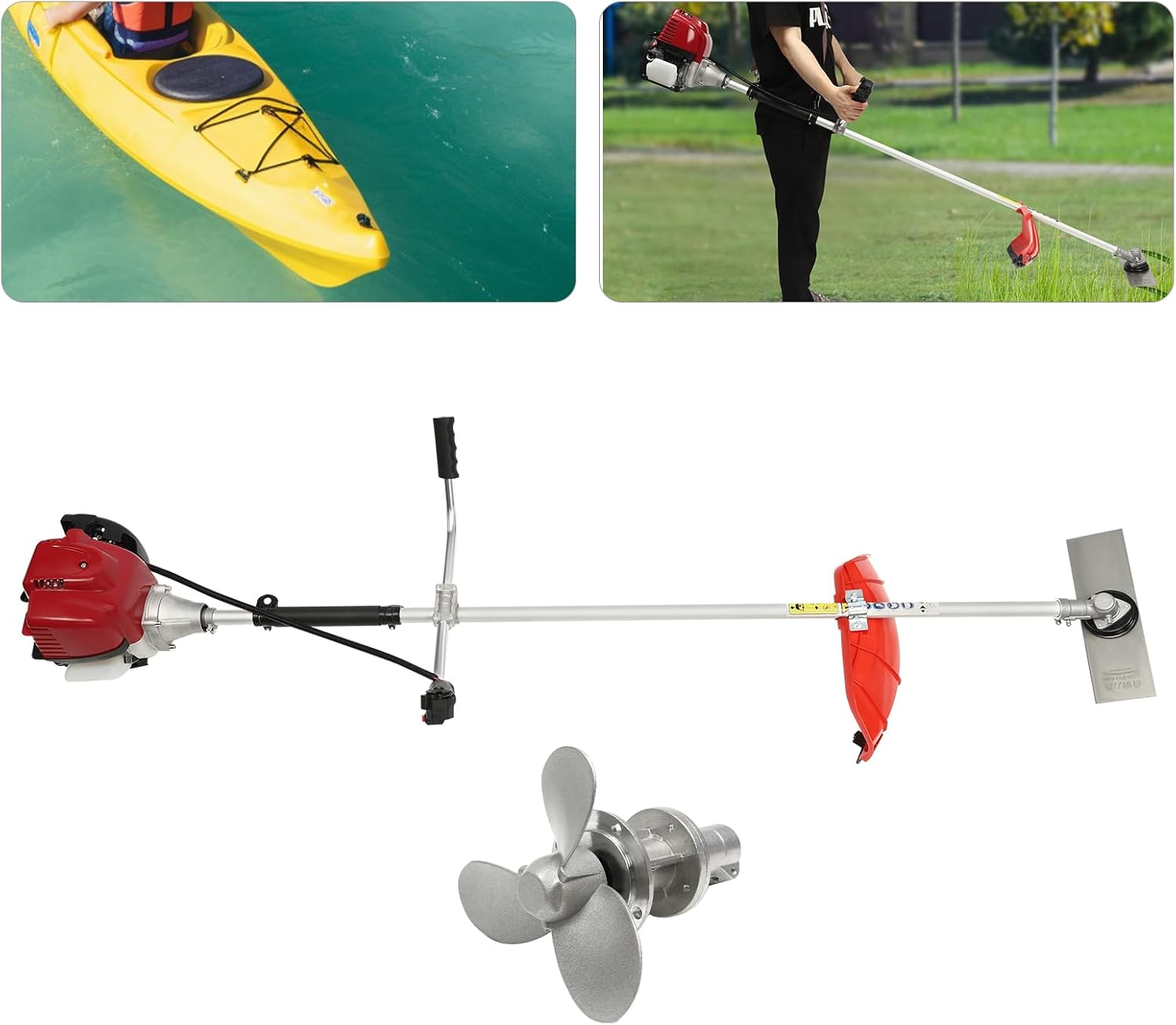
Image 2.3: The marine propeller attachment for water propulsion.
3. Specifications
| Feature | Specification |
|---|---|
| Engine Type | 4-Stroke |
| Displacement | 38.3cc |
| Power Output | Approx. 1100W |
| Rotational Speed | Max. 10,000 RPM |
| Fuel Tank Capacity | 900ml / 0.95 Qt |
| Recommended Fuel | Gasoline (over #92 octane) |
| Aluminum Tube Diameter | 26mm / 1 inch |
| Drive Shaft | 9 Teeth |
| Blade Size | 30.5 x 9 cm / 12 x 3.5 inches |
| Blade Thickness | 1.4mm / 0.06 inches |
| Propeller Size (D*H) | 18.4 x 4.6 cm / 7.24 x 1.8 inches |
| Operating Rod Length | 1.6m / 5.24ft |
| Weight (Host) | 6kg / 13.23 lbs |
| Weight (Rod) | 3.2kg / 7.05 lbs |

Image 3.1: Product dimensions for the brush cutter configuration.
4. Assembly Instructions
The product requires assembly. Follow these steps carefully to ensure proper and safe operation.
4.1 Attaching the Operating Rod and Handles
- Connect the engine host unit to the operating rod. Ensure the connection is secure.
- Attach the main handle and auxiliary handle to the operating rod. Position them for comfortable and balanced operation.
- Secure the throttle cable and start switch to the auxiliary handle as per the diagram.
4.2 Installing the Baffle
Install the protective baffle onto the operating rod, positioning it above the cutting attachment. This guard helps prevent debris from splashing during operation.
4.3 Attaching the Cutting Blade or Marine Propeller
Depending on your intended use, attach either the manganese steel blade or the marine propeller to the end of the operating rod. Ensure all fasteners are tightened securely.
- For Brush Cutter/String Trimmer: Attach the manganese steel blade. Verify it is properly seated and secured.
- For Marine Propeller: Attach the marine propeller unit. Ensure it is firmly connected and aligned.
4.4 Attaching the Shoulder Harness
Attach the vibration reduction shoulder harness to the designated hook holes on the operating rod. Adjust the harness for a comfortable and balanced fit, distributing the weight evenly.

Image 4.1: Assembled brush cutter with shoulder harness for ergonomic use.
5. Operating Instructions
Before starting, ensure all safety precautions are observed and the equipment is correctly assembled for the task.
5.1 Pre-Operation Checks
- Check fuel and oil levels. Use recommended fuel (over #92 octane gasoline) and 4-stroke engine oil.
- Inspect the blade or propeller for damage, wear, or looseness. Ensure all screws and fasteners are tight.
- Clear the work area of any obstacles or debris.
- Wear all required PPE.
5.2 Starting the Engine
- Place the unit on a flat, stable surface.
- Engage the choke (if applicable, refer to engine markings).
- Set the throttle to the starting position.
- Firmly pull the hand-pull starter rope until the engine starts.
- Once started, gradually disengage the choke and allow the engine to warm up for a few moments.
5.3 Brush Cutter / String Trimmer Operation
With the manganese steel blade or string trimmer head attached, use the shoulder harness for support and control.
- Maintain a firm grip on the handles.
- Operate the throttle to control the cutting speed.
- Swing the cutter in a controlled motion, keeping the blade away from your body and bystanders.
- Avoid striking hard objects to prevent blade damage or kickback.

Image 5.1: User demonstrating the brush cutter in operation.
5.4 Marine Propeller Operation
When using the marine propeller attachment, ensure it is securely mounted to a suitable watercraft.
- Ensure the propeller is fully submerged before starting the engine.
- Operate the throttle to control propulsion speed.
- Be aware of your surroundings and other water users.
- Avoid operating in shallow water where the propeller could strike obstacles.

Image 5.2: The engine unit with marine propeller attached to a kayak.
6. Maintenance
Regular maintenance ensures optimal performance and extends the lifespan of your equipment.
6.1 Air Filter Cleaning
Regularly check and clean the sponge air filter to prevent blockages and ensure proper engine performance. Clean with warm, soapy water, rinse thoroughly, and allow to dry completely before reinstallation.
6.2 General Cleaning
After each use, clean the exterior of the engine, rod, and attachments. Remove any grass, dirt, or debris. Ensure cooling fins are clear of obstructions.
6.3 Spark Plug Inspection
Periodically inspect the spark plug for wear or fouling. Clean or replace as necessary to ensure reliable starting and efficient combustion.
6.4 Blade/Propeller Inspection
Inspect the manganese steel blade and marine propeller for damage, dullness, or imbalance. Sharpen or replace the blade as needed. Do not use damaged attachments.
7. Troubleshooting
This section addresses common issues you might encounter.
7.1 Engine Does Not Start
- Check Fuel: Ensure there is sufficient fresh fuel in the tank.
- Check Choke: Verify the choke is engaged for cold starts and disengaged once warm.
- Spark Plug: Inspect the spark plug for fouling or damage. Clean or replace if necessary.
- Air Filter: A clogged air filter can prevent starting. Clean or replace.
7.2 Loss of Power During Operation
- Fuel Quality: Ensure fresh, correct octane fuel is used.
- Air Filter: A dirty air filter can restrict airflow. Clean it.
- Overheating: Ensure cooling fins are clear. Allow the engine to cool down.
7.3 Excessive Vibration
- Blade/Propeller Damage: Inspect the blade or propeller for damage or imbalance. Replace if necessary.
- Loose Fasteners: Check all bolts and screws for tightness, especially those securing the attachments and handles.
8. Storage
Proper storage is essential for maintaining the equipment during periods of non-use.
- Short-Term Storage: Clean the unit thoroughly and store in a dry, secure location.
- Long-Term Storage (over 30 days):
- Drain all fuel from the fuel tank and carburetor. Run the engine until it stops from lack of fuel.
- Clean the exterior of the unit.
- Remove the spark plug and add a small amount of engine oil into the cylinder. Pull the starter rope a few times to distribute the oil, then reinstall the spark plug.
- Store the unit in a clean, dry, and well-ventilated area, away from direct sunlight and extreme temperatures.
9. Warranty and Support
Specific warranty details are not provided in this manual. For warranty information, technical support, or replacement parts, please contact the manufacturer or your point of purchase.
Manufacturer: TTOCTE
Model Number: YLNX6G5BWDML8
ASIN: B0CCCWCDYC