1. Introduction
This manual provides instructions for the proper use and assembly of the Generic Hailong E-Bike Battery Formed Nickel Strip 13S5P. This product is designed for constructing 48V e-bike battery packs using 18650 lithium-ion cells within a Hailong battery case. It is a component for DIY battery assembly and does not include battery cells, battery holders, the battery case, or a Battery Management System (BMS).
2. Product Overview
The nickel strip is a pre-formed component used to connect 18650 battery cells in a specific series and parallel configuration. This particular set is configured for a 13 Series, 5 Parallel (13S5P) arrangement, accommodating 65 individual 18650 cells to achieve a nominal 48V battery pack.
- Material: Nickel Plated Steel Strip
- Thickness: 0.15mm
- Configuration: 13S5P (13 Series, 5 Parallel)
- Cell Compatibility: 18650 Lithium-ion cells (65 pieces required)
- Intended Use: DIY assembly of 48V Hailong E-Bike Battery Packs

Image 2.1: A complete set of 13S5P formed nickel strips, designed for connecting 65 individual 18650 cells in a Hailong e-bike battery pack. Note that this product includes only the nickel strips.
3. Setup and Installation
Assembling a battery pack requires precision and adherence to safety guidelines. This section outlines the general steps for integrating the nickel strips into your Hailong e-bike battery pack.
- Prepare Cells: Ensure all 65 18650 cells are fully charged to the same voltage and are in good condition. It is crucial to use cells with similar internal resistance and capacity for optimal pack performance and longevity.
- Cell Arrangement: Place the 18650 cells into the appropriate battery holders within the Hailong case, following the 13S5P configuration. Pay close attention to the polarity of each cell (+ and - terminals).
- Nickel Strip Placement: Carefully position the pre-formed nickel strips over the terminals of the arranged cells. The strips are designed to align with the cell terminals for series and parallel connections.
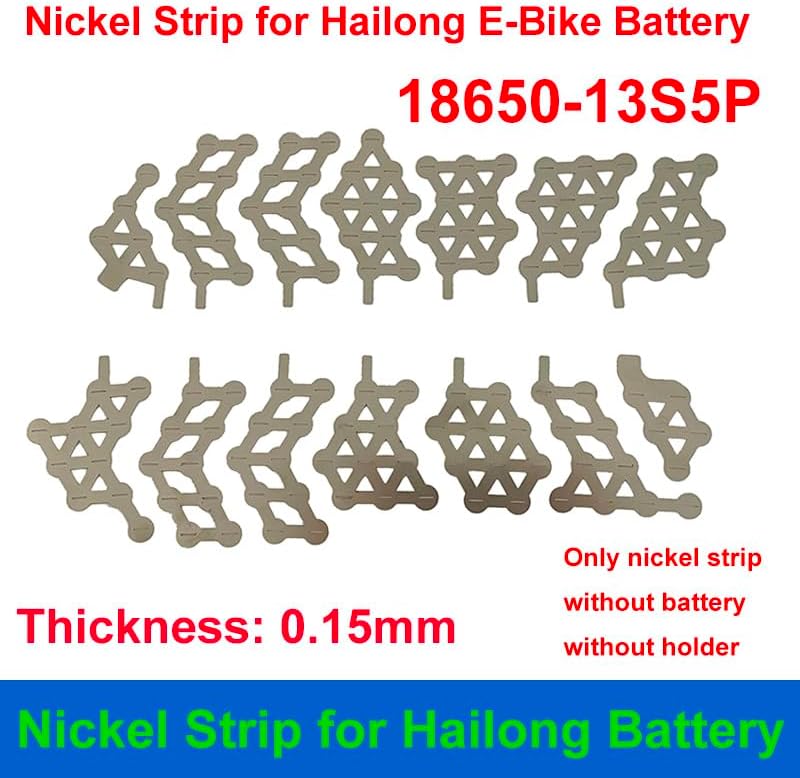
Image 3.1: Nickel strips correctly positioned within a battery holder, showing how they connect the 18650 cells. This illustrates the pre-formed design for easy alignment.
- Spot Welding: Secure the nickel strips to the cell terminals using a spot welder. Ensure strong, consistent welds to minimize resistance and prevent overheating. Poor welds can lead to performance issues or safety hazards.
- Verify Polarity: Before making final connections, double-check all cell polarities and the overall series/parallel connections using a multimeter. Incorrect polarity can damage cells or the entire battery pack.

Image 3.2: A diagram illustrating the positive ('+') and negative ('-') connection points on the nickel strip layout. This visual guide is critical for ensuring correct cell orientation and series/parallel wiring.
- BMS Integration: Once the cells are connected via the nickel strips, integrate your Battery Management System (BMS) according to its specific instructions. The BMS is essential for balancing, overcharge, over-discharge, and short-circuit protection.
- Final Assembly: Enclose the assembled battery pack within the Hailong battery case. Ensure all connections are secure and there are no loose components.
4. Operating
The nickel strip itself is a passive conductive component and does not have operational functions. Its purpose is to facilitate electrical connections within a battery pack. The operation of the complete e-bike battery pack will depend on the integrated cells, BMS, and the e-bike system it powers.
5. Maintenance
Proper maintenance of the nickel strips, primarily during and after assembly, contributes to the longevity and safety of the battery pack.
- Keep Dry: Ensure the nickel strips and assembled battery pack remain dry to prevent corrosion and short circuits.
- Cleanliness: Handle the strips with clean hands or gloves to avoid contamination that could affect welding quality.
- Avoid Physical Damage: Do not bend, crease, or scratch the nickel strips excessively, as this can compromise their conductivity and structural integrity.
- Storage: If storing unused strips, keep them in a dry, non-corrosive environment, away from direct sunlight and extreme temperatures.
6. Troubleshooting
Issues related to nickel strips typically arise during the assembly process.
- Poor Electrical Connection: If a cell or section of the battery pack is not showing proper voltage, inspect the spot welds. Re-weld any weak or incomplete connections. Ensure the nickel strip is making full contact with the cell terminals.
- Overheating During Use: This can indicate high resistance in connections. Re-examine all spot welds for quality. Inadequate thickness of nickel strip for the current draw can also be a factor, though this product is 0.15mm, which is standard for many applications.
- Misalignment: If strips do not align correctly with cell terminals, gently adjust their position before welding. Do not force them, as this can damage the cells or strips.
7. Specifications
| Feature | Specification |
|---|---|
| Material | Nickel Plated Steel Strip |
| Thickness | 0.15mm |
| Configuration | 13 Series, 5 Parallel (13S5P) |
| Compatible Cells | 18650 Lithium-ion (65 pieces) |
| Intended Voltage | 48V (nominal) |
| Model Number | 48V 13S 5P |
8. Safety Information
Working with battery components, especially lithium-ion cells, carries inherent risks. Always prioritize safety.
- Personal Protective Equipment: Wear safety glasses and gloves during assembly.
- Ventilation: Work in a well-ventilated area.
- Short Circuit Prevention: Be extremely careful to avoid short-circuiting battery cells or the assembled pack. This can cause severe heat, fire, or explosion.
- Proper Tools: Use appropriate tools, especially a reliable spot welder, for secure and safe connections.
- Professional Assistance: If you are unfamiliar with battery pack assembly, seek guidance from experienced professionals or consult detailed DIY battery building resources.
- Disposal: Dispose of damaged or old battery cells and packs responsibly according to local regulations.
9. Warranty and Support
This nickel strip is a component for DIY battery assembly. The warranty for the final battery pack depends on the quality of the cells used, the assembly process, and the integrated Battery Management System (BMS). No specific warranty information is provided for this individual component.
For product-specific inquiries regarding the nickel strips, please contact the seller directly through the platform where the purchase was made. Ensure you have your order details available for faster assistance.


