
1. Introduction
Thank you for choosing the Sadowsky MetroExpress 21-fret Vintage JJ Bass. This instrument combines classic design with modern functionality, offering a versatile and high-quality bass experience. This manual provides essential information for setting up, operating, maintaining, and troubleshooting your new bass guitar.
Key features of your Sadowsky MetroExpress bass include:
- Okoume Body for a solid tonal foundation.
- Roasted Maple Neck and Fingerboard for enhanced stability and playability.
- Active Electronics with a 2-band preamp for versatile tone shaping.
- Two J-style Single-coil Pickups for classic bass tones.
- Just-A-Nut system for precise string height adjustment.
2. Setup
2.1 Unpacking and Initial Inspection
Carefully remove your Sadowsky MetroExpress bass from its packaging. Inspect the instrument for any signs of damage that may have occurred during shipping. Ensure all included accessories, such as the gig bag, are present.
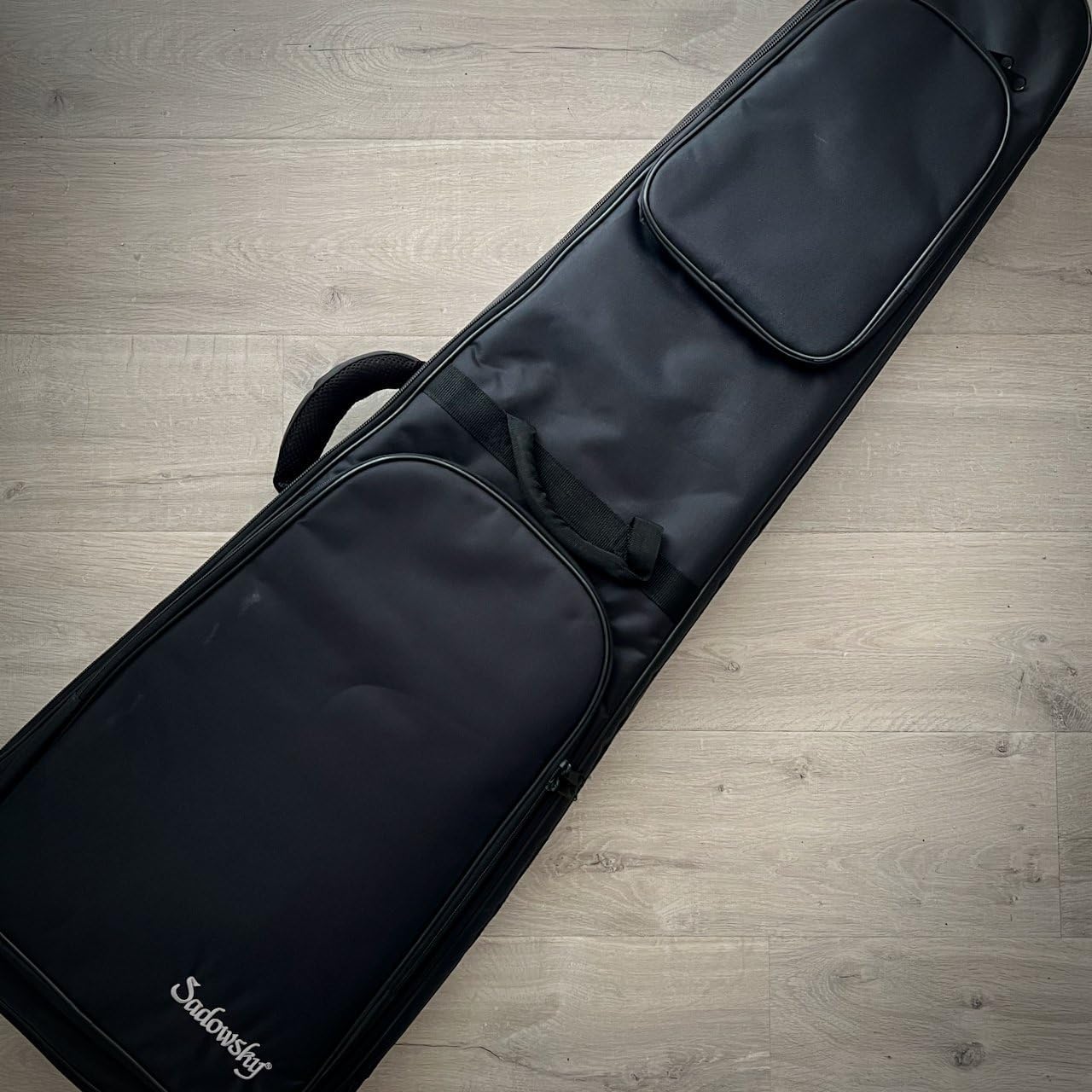
Figure 2.1: The Sadowsky MetroExpress bass stored in its protective gig bag.
2.2 Tuning
Before playing, tune your bass. The standard tuning for a 4-string bass is E-A-D-G (from thickest to thinnest string). Use a reliable electronic tuner for accuracy. The tuning machines are located on the headstock.
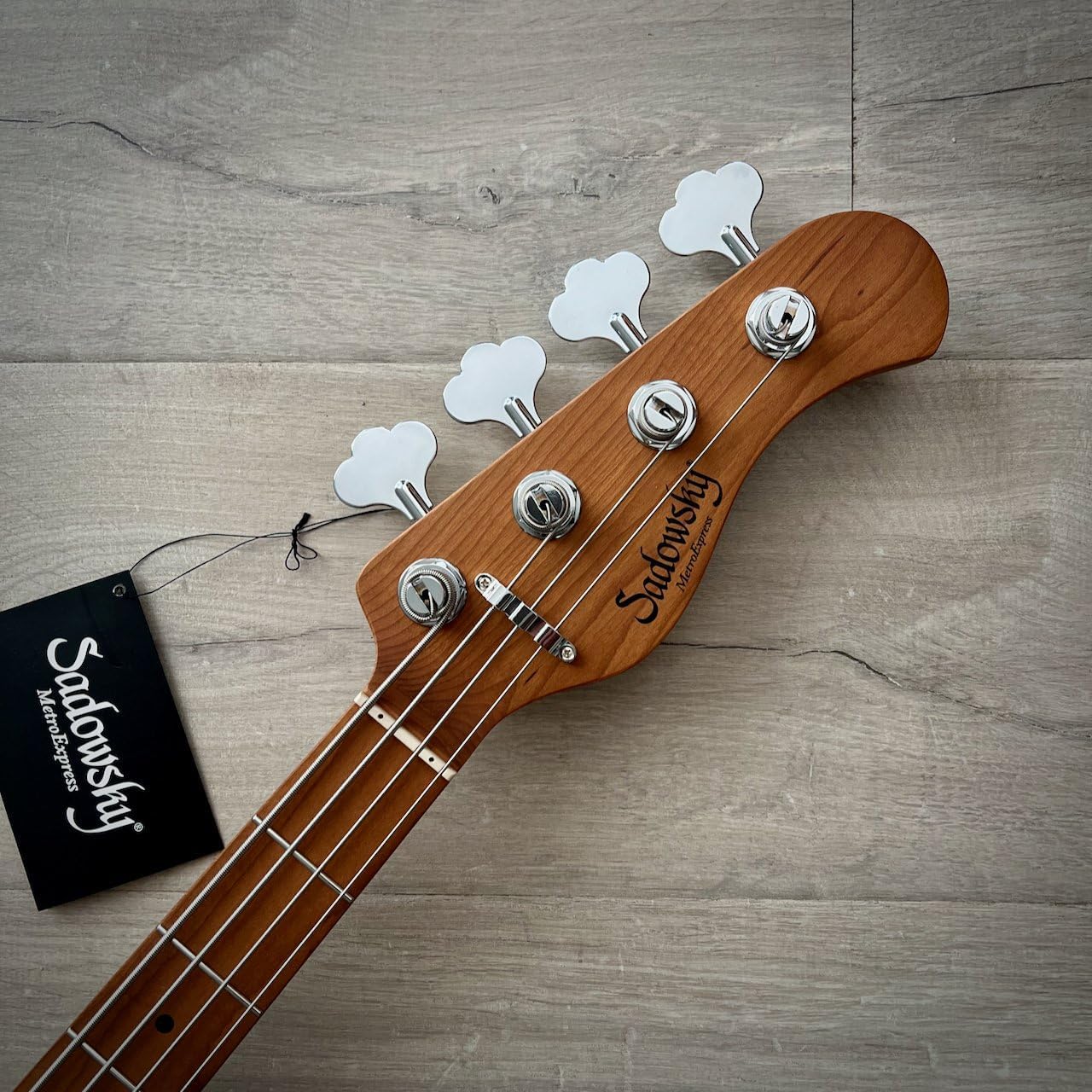
Figure 2.2: Close-up view of the Sadowsky MetroExpress headstock, showing the tuning machines and Sadowsky logo.
2.3 Connecting to an Amplifier
Connect one end of a standard instrument cable to the output jack on your bass and the other end to the input of your bass amplifier. Ensure your amplifier's volume is set to a low level before turning it on to prevent sudden loud noises.
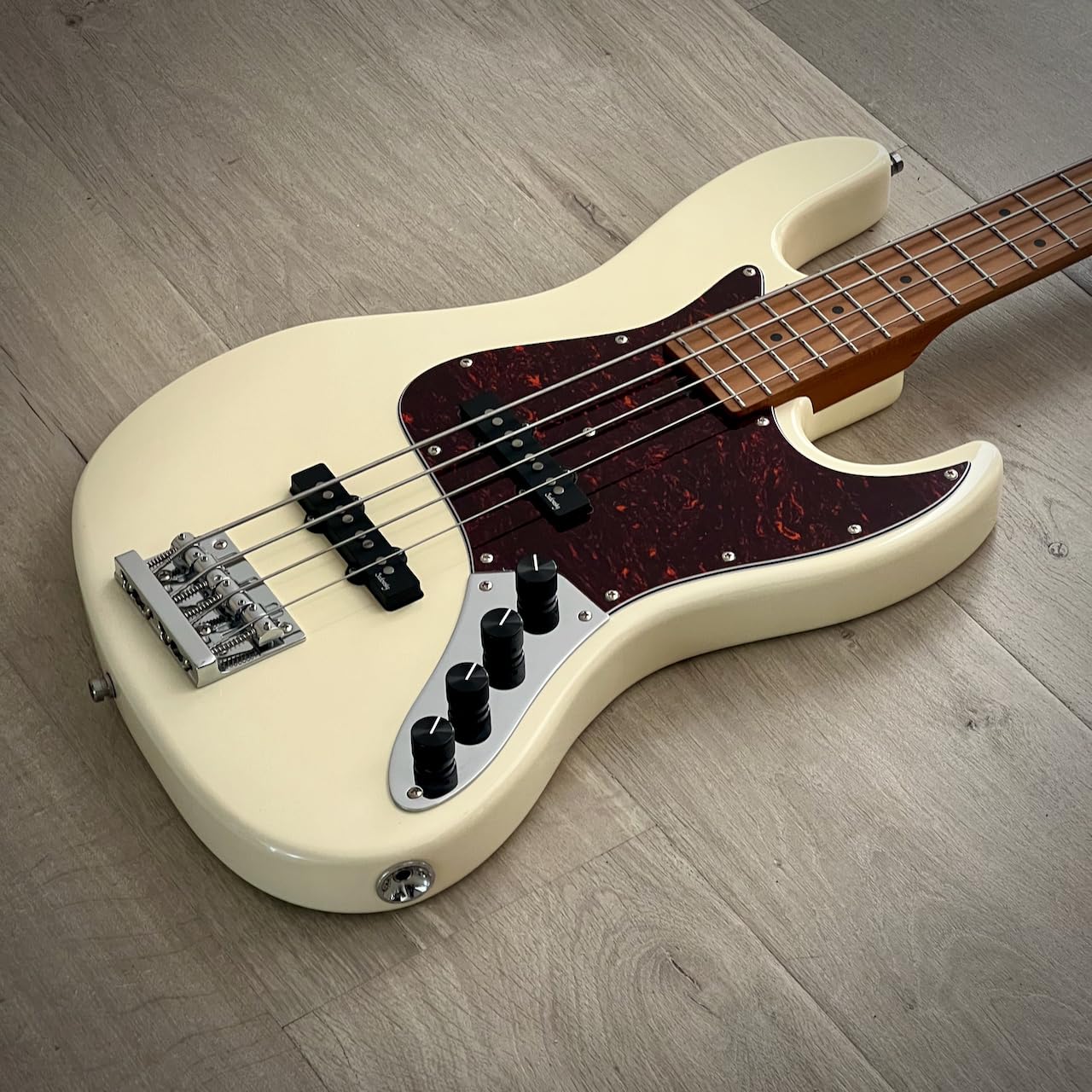
Figure 2.3: The Sadowsky MetroExpress Vintage JJ Bass, showcasing its full body and neck, ready for connection.
3. Operating
3.1 Controls Overview
Your Sadowsky MetroExpress bass features a set of intuitive controls for shaping your sound:
- Volume Knob: Controls the overall output level of the bass.
- Blend Knob: Mixes the output of the neck and bridge pickups. Turn towards the neck for more neck pickup sound, and towards the bridge for more bridge pickup sound.
- Tone Knob (Passive): Functions as a traditional passive tone control when the active preamp is disengaged.
- Stacked Bass/Treble Boost Knobs (Active Preamp): These knobs provide active boost for bass and treble frequencies. The preamp is engaged via a push/pull function on the tone knob.
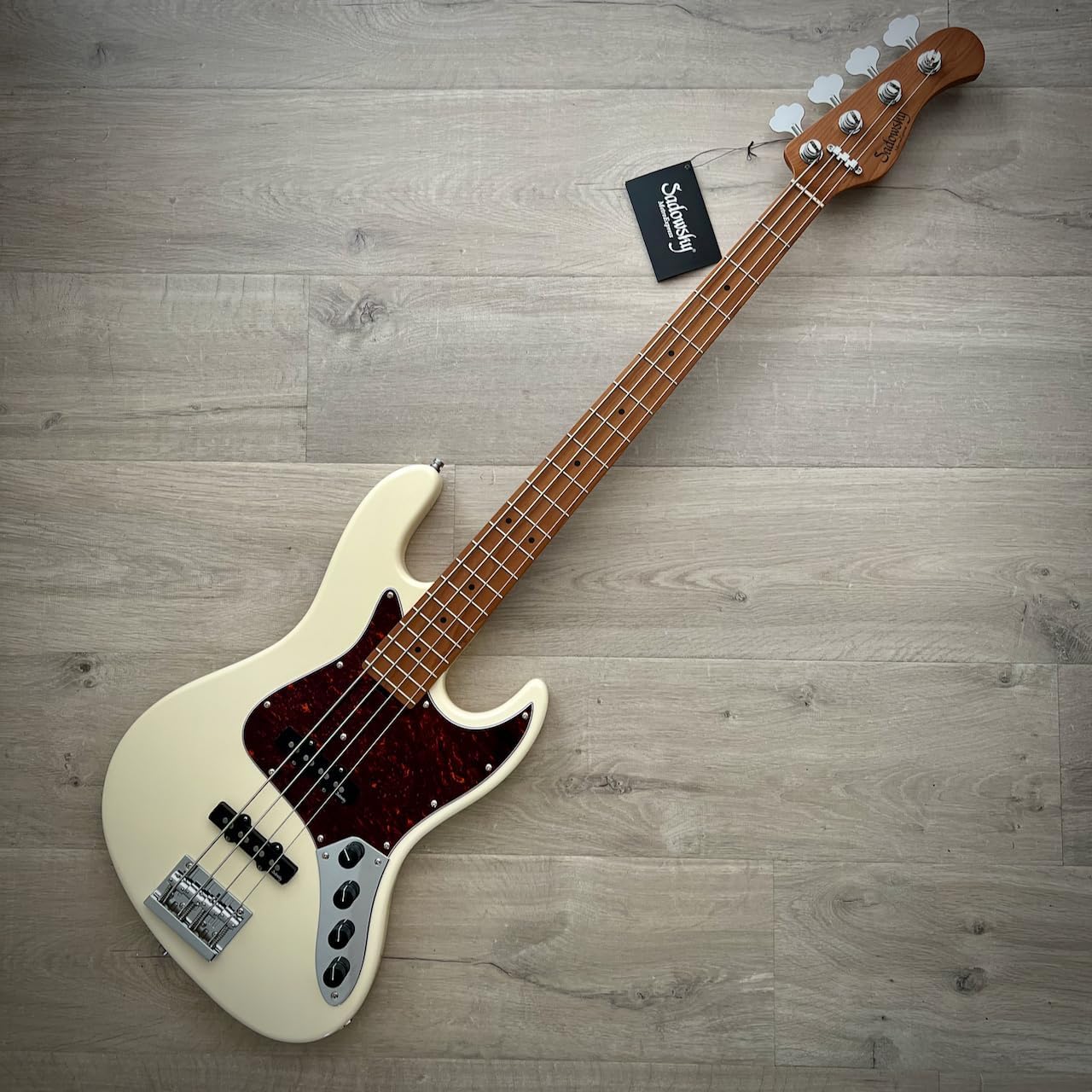
Figure 3.1: Detail of the Sadowsky MetroExpress bass body, highlighting the control knobs, pickups, and bridge.
3.2 Engaging the Active Preamp
To engage the active 2-band preamp, pull up on the Tone knob. This will activate the bass and treble boost controls. Push the knob down to return to passive mode, where the Tone knob functions as a passive roll-off.
4. Maintenance
4.1 Cleaning
- Body and Neck: Wipe down the body and neck with a soft, clean cloth after each use to remove sweat and fingerprints. For deeper cleaning, use a guitar-specific polish.
- Fingerboard: Periodically clean the roasted maple fingerboard with a damp cloth. Avoid excessive moisture.
- Strings: Wipe strings with a clean cloth after playing to prolong their life and maintain tone.
4.2 String Replacement
Strings should be replaced regularly to maintain optimal tone and playability. When replacing strings, change them one at a time to maintain neck tension. Use high-quality steel alloy bass strings.
4.3 Battery Replacement
The active preamp requires a 9V battery, located in the control cavity on the back of the bass. If the sound becomes weak or distorted when the preamp is engaged, it's likely time to replace the battery. Always use a fresh alkaline 9V battery.
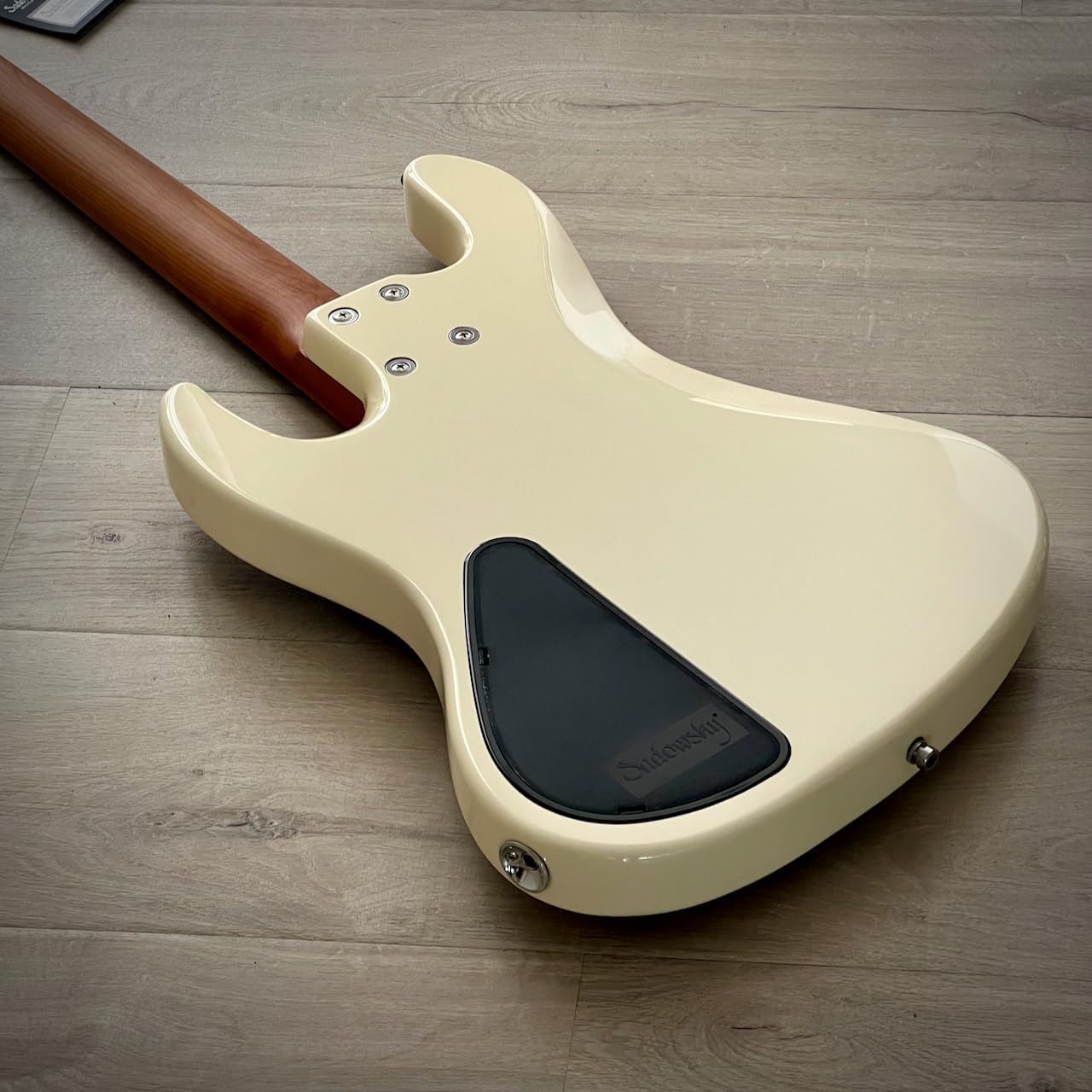
Figure 4.1: The back of the Sadowsky MetroExpress bass, indicating the location of the control cavity for battery access.
4.4 Storage
Store your bass in its gig bag or a hard case when not in use to protect it from dust, humidity changes, and physical damage. Avoid extreme temperatures and direct sunlight.

Figure 4.2: Full back view of the Sadowsky MetroExpress bass, showing the neck joint and body contour.
5. Troubleshooting
5.1 No Sound
- Check all cable connections.
- Ensure the amplifier is on and its volume is up.
- Verify the bass's volume knob is turned up.
- If using the active preamp, check and replace the 9V battery if necessary.
5.2 Buzzing or Hum
- Ensure proper grounding of your amplifier and power outlets.
- Check for loose cables or faulty instrument cables.
- Adjust pickup height if strings are buzzing against them.
- If the buzz is present only when not touching the strings, it might be normal single-coil hum, which can be reduced by adjusting the blend knob or using shielded cables.
5.3 Tuning Instability
- Ensure strings are properly stretched after installation.
- Check for worn-out strings; replace if necessary.
- Verify tuning machines are functioning correctly.
- Environmental changes (temperature, humidity) can affect tuning stability.
6. Specifications
| Feature | Detail |
|---|---|
| Model | MetroExpress 21-fret Vintage JJ Bass |
| Body Material | Okoume |
| Neck Material | Roasted Maple |
| Fingerboard Material | Roasted Maple |
| Number of Frets | 21 |
| Number of Strings | 4 |
| Pickups | 2 Single-coil J-style Pickups |
| Electronics | Active 2-band Preamp (Bass/Treble Boost) with Passive Tone Control |
| Nut System | Just-A-Nut |
| Color | Olympic White |
| Item Dimensions (L x W x H) | 48.8 x 18.5 x 6.5 inches |
| Item Weight | 17.8 Pounds |
| String Material Type | Steel Alloy |
7. Warranty & Support
Your Sadowsky MetroExpress bass comes with a 2-year warranty covering manufacturing defects. Please retain your proof of purchase for warranty claims.
For technical support, service, or warranty inquiries, please contact your authorized Sadowsky dealer or visit the official Sadowsky website for contact information.

Figure 7.1: The back of the Sadowsky MetroExpress headstock, displaying the serial number and "Made in China" inscription.


