
GESD 8414740311685
GESD FC Male to LC Female Fiber Optic Adapter Instruction Manual
Model: 8414740311685
1. Introduction
The GESD FC Male to LC Female Fiber Optic Adapter is designed for seamless connection and conversion between different fiber optic connector types. This hybrid adapter facilitates the splicing and coupling of fiber optics, allowing you to adapt connector interfaces to new equipment, upgrade distribution panels, and integrate various fiber optic devices. It is particularly useful for connecting devices with a 2.5mm FC interface to those with a 1.25mm LC interface, such as optical power meters and visual fault locators (VFLs).
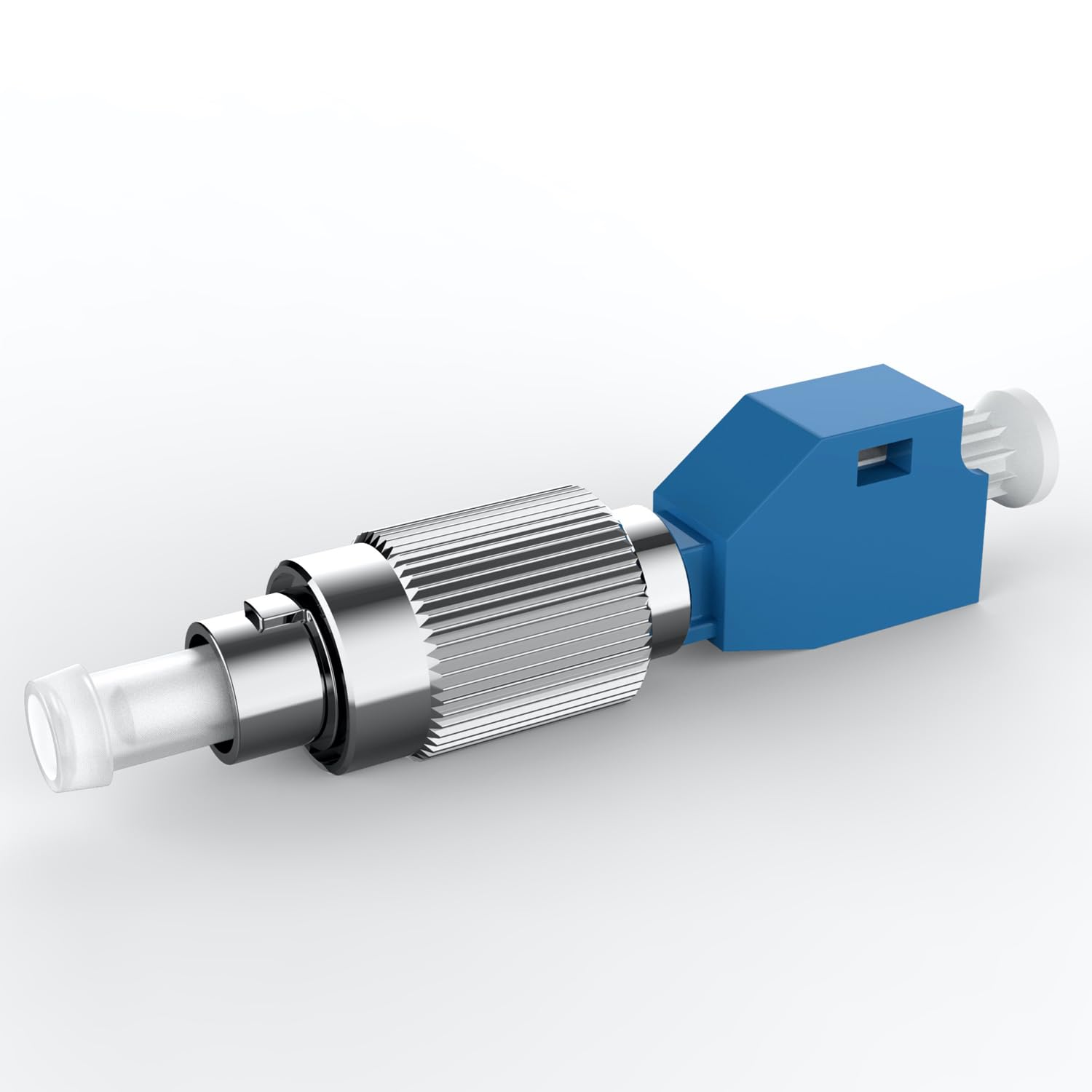
Image 1: GESD FC Male to LC Female Fiber Optic Adapter.
2. Key Features
- Universal Compatibility: Designed for use with both single-mode and multi-mode fiber optic cables, adapting 2.5mm FC male connectors to 1.25mm LC female connectors.
- High Durability: Constructed with Zirconia ceramic sleeves, ensuring a long service life of up to 4000 mating cycles and excellent wear resistance.
- Low Insertion Loss: Engineered to minimize signal loss with an insertion loss of ≤ 0.3dB, maintaining optimal optical performance.
- High Precision: Features high dimensional accuracy, good interchangeability, and repeatability for reliable connections.
- Portable Design: Lightweight and compact, making it easy to carry and use in various field applications.
- ESD Protection: Designed to prevent electrostatic discharge (ESD) damage.

Image 2: Illustration of the adapter's high repeatability and low insertion loss characteristics.
3. Technical Specifications
| Adapter Type | FC Male to LC Female |
| Connector Compatibility | 2.5mm (FC) to 1.25mm (LC) |
| Fiber Type | Single Mode (SM 9/125um) and Multimode |
| Sleeve Material | Zirconia Ceramics (ZrO2) |
| Insertion Loss | ≤ 0.3 dB |
| Repeatability | ≤ 0.2 dB |
| Interchangeability | ≤ 0.2 dB |
| Tensile Strength | 200 ~ 600g |
| Operating Temperature | -25°C to +75°C (-13°F to +167°F) |
| Storage Temperature | -25°C to +75°C (-13°F to +167°F) |
| Overall Length | 4.8 cm (1.89 in) |
| Weight | 8g (0.28 oz) |

Image 3: Detailed technical specifications of the adapter, including product loss, return loss, tensile force, number of plugs, sleeve material, operating temperature, product packing, and weight.
4. Package Contents
The standard package includes:
- 1 x GESD FC Male to LC Female Fiber Optic Adapter
5. Setup and Installation
The GESD FC Male to LC Female Fiber Optic Adapter is designed for straightforward installation. It allows you to convert a 2.5mm FC interface to a 1.25mm LC interface.
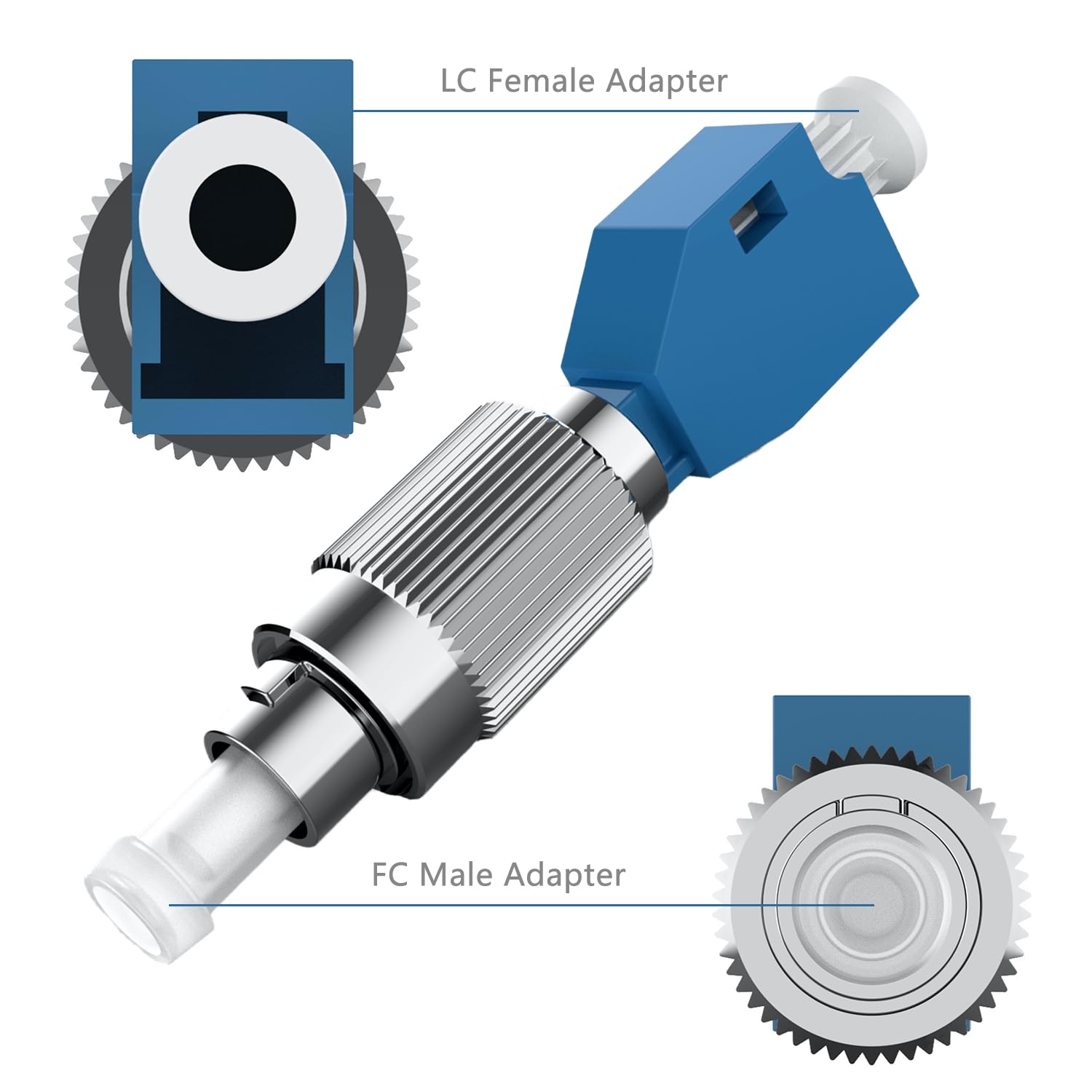
Image 4: Diagram illustrating the FC Male and LC Female connector ends of the adapter.
- Identify Connectors: Locate the FC male connector on your device (e.g., Visual Fault Locator, Optical Power Meter) and the LC female connector on your fiber optic cable or patch panel.
- Remove Dust Caps: Carefully remove the protective dust caps from both ends of the adapter and from the fiber optic connectors you intend to use.
- Insert FC Male: Gently insert the FC male end of the adapter into the 2.5mm FC port of your device. Ensure it is fully seated and secured, typically by twisting the threaded collar if present.
- Connect LC Female: Insert the 1.25mm LC connector of your fiber optic cable into the LC female end of the adapter. Ensure a firm and secure connection.
- Verify Connection: Once connected, ensure there are no visible gaps or loose connections. The adapter should provide a stable and reliable optical path.
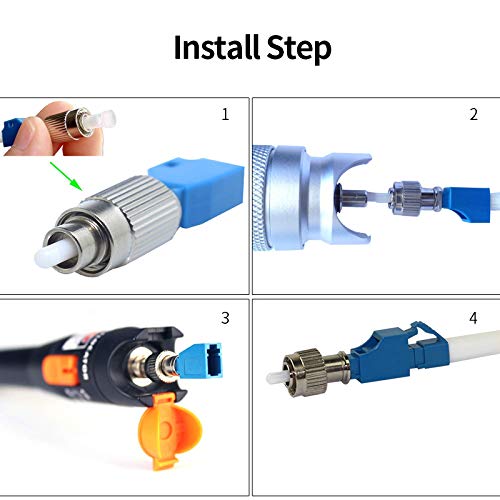
Image 5: Visual guide demonstrating the installation steps for connecting the adapter to a device and a fiber optic cable.
6. Operation
Once the adapter is securely installed, it functions as a passive conversion component. No specific operational steps are required for the adapter itself. Its purpose is to enable connectivity between devices with different fiber optic connector types.
For operation, refer to the instruction manuals of the specific fiber optic equipment (e.g., Visual Fault Locator, Optical Power Meter) you are connecting using this adapter.

Image 6: Examples of the adapter in use, connecting an LC fiber cable to a Visual Fault Locator and an Optical Power Meter.
The adapter is widely used in various applications:
- Telecommunications Systems
- CATV Engineering and Maintenance
- Optic Network Maintenance
- Optical Measurement Drive Engineering
- Cabling Systems and other fiber-optic projects
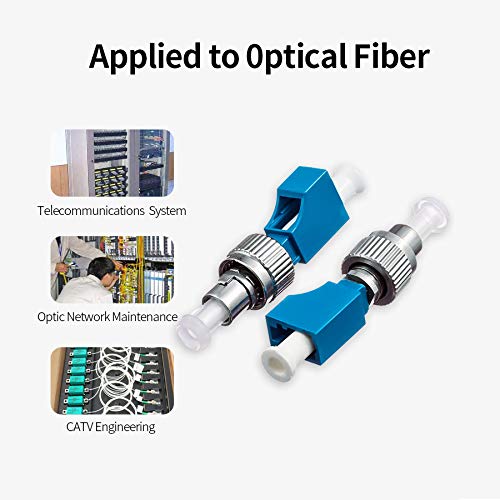
Image 7: Examples of common applications for the fiber optic adapter, including telecommunications systems, optic network maintenance, and CATV engineering.
7. Maintenance and Care
Proper maintenance ensures the longevity and optimal performance of your fiber optic adapter.
- Keep Clean: Always ensure that the connector ends are clean and free from dust or debris. Use appropriate fiber optic cleaning tools (e.g., lint-free wipes, fiber optic cleaning pens) before each connection. Contamination is a primary cause of signal loss and damage.
- Use Dust Caps: When not in use, always cover the adapter's ends with the provided protective dust caps to prevent contamination.
- Handle with Care: Avoid dropping or subjecting the adapter to excessive force, as this can damage the internal ceramic sleeve or connector alignment.
- Storage: Store the adapter in a clean, dry environment within the specified storage temperature range (-25°C to +75°C).
8. Troubleshooting
If you experience issues with your fiber optic connection when using the adapter, consider the following troubleshooting steps:
- No Signal or High Loss:
- Check Cleanliness: The most common cause of signal issues is dirty connectors. Thoroughly clean both ends of the adapter and the connected fiber optic cables using proper cleaning procedures.
- Verify Connection: Ensure all connections are fully seated and secure. A loose connection can lead to significant signal loss.
- Inspect for Damage: Carefully inspect the adapter and cable connectors for any visible physical damage (e.g., scratches, cracks on the ferrule). Do not use damaged components.
- Test Components Individually: If possible, test the fiber optic cables and the devices (VFL, power meter) independently to isolate the source of the problem.
- Adapter Does Not Fit:
- Confirm Connector Types: Double-check that you are attempting to connect an FC male connector to the FC male end of the adapter and an LC female connector to the LC female end. This adapter converts 2.5mm FC to 1.25mm LC.
If issues persist after following these steps, please contact customer support.
9. Warranty and Support
GESD is committed to providing high-quality products and customer satisfaction. If you encounter any issues or have questions regarding your FC Male to LC Female Fiber Optic Adapter, please do not hesitate to contact GESD customer support.
For support, please refer to the contact information provided with your purchase or visit the official GESD website.
Ask a question about this manual
Ask about setup, troubleshooting, compatibility, parts, safety, or missing instructions. Manuals+ will review the question and use this page’s manual context to help answer it.