
Introduction
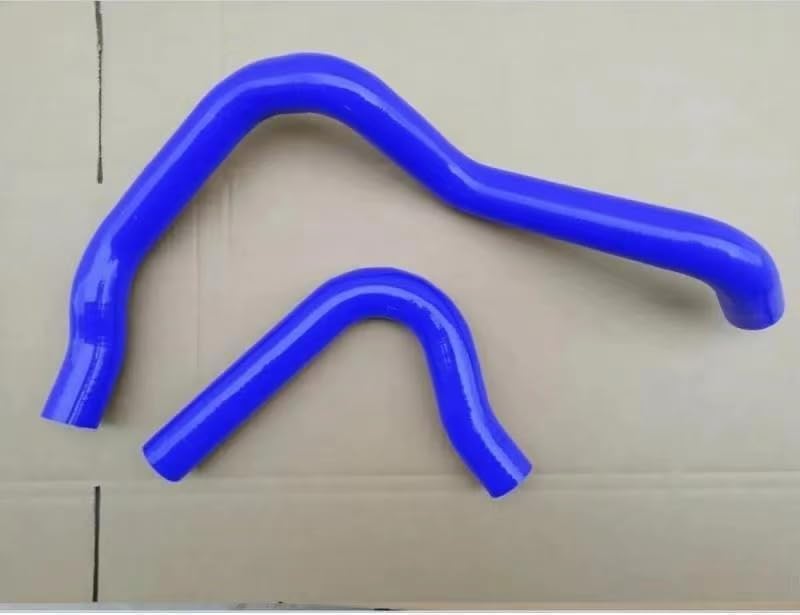
This manual provides essential information for the installation, maintenance, and troubleshooting of your Generic Silicone Radiator Coolant Hoses. These hoses are designed as direct replacement parts for specific Mitsubishi Pajero and Montero models, corresponding to Original Equipment (OE) part numbers MR404869 and MR404876, and also referenced as MR404875 and MR404876. Please read this manual thoroughly before proceeding with installation or any related procedures to ensure proper function and safety.
Safety Information
Automotive repair can be hazardous. Always observe the following safety precautions:
- Ensure the vehicle's engine is cool before working on the cooling system to prevent burns from hot coolant or steam.
- Wear appropriate personal protective equipment (PPE), including safety glasses and gloves.
- Disconnect the vehicle's battery before starting any work to prevent electrical hazards.
- Properly dispose of old coolant according to local environmental regulations.
- Use appropriate tools and follow all vehicle manufacturer's service procedures.
- Never work under a vehicle supported only by a jack. Use jack stands.
Product Overview
These radiator coolant hoses are constructed from high-quality silicone, offering enhanced durability and resistance to temperature extremes and pressure compared to standard rubber hoses. They are designed to connect the radiator to the engine, facilitating the flow of coolant to maintain optimal engine operating temperature.
OE Part Numbers: MR404869, MR404876 (also referenced as MR404875, MR404876)
Quantity: Typically supplied as a set of two hoses.
Compatibility
These hoses are compatible with various Mitsubishi Pajero and Montero models. Please verify your vehicle's specific model and production period against the list below:
| Market | Model | Description | Production Period |
|---|---|---|---|
| Middle East | MONTERO (MEXICO), V77W | 3800/LONG WAGON | 01.12.2002 - 03.08.2006 |
| Middle East | MONTERO (MEXICO), V77W | 3800/LONG WAGON | 01.09.2007 - |
| North America | MONTERO (PUERTO RICO&GUAM), V75W | 3500/LONG WAGON | 01.02.2000 - 03.08.2006 |
| North America | MONTERO (MMNA), V75W | 3500/LONG WAGON | 01.02.2000 - 03.08.2006 |
| North America | MONTERO (PUERTO RICO&GUAM), V77W | 3800/LONG WAGON | 01.02.2000 - 03.08.2006 |
| North America | MONTERO (MMNA), V77W | 3800/LONG WAGON | 01.02.2000 - 03.08.2006 |
| Middle East | PAJERO (CHINA), V73W | 3000/LONG WAGON | 01.02.2000 - 03.06.2005 |
| Middle East | PAJERO (BRAZIL), V73W | 3000/LONG WAGON | 01.02.2000 - 03.12.2006 |
| Middle East | PAJERO (CHINA), V93W | 3000/LONG WAGON | 01.07.2007 - |
| Middle East | PAJERO (BRAZIL), V63W | 3000/SHORT WAGON | 01.02.2000 - 03.12.2006 |
| Middle East | PAJERO (BRAZIL), V75W | 3500/LONG WAGON | 01.02.2000 - 03.12.2006 |
| Middle East | PAJERO (BRAZIL), V65W | 3500/SHORT WAGON | 01.02.2000 - 03.12.2006 |
| Middle East | PAJERO (CHINA), V77W | 3800/LONG WAGON | 01.02.2000 - 03.06.2005 |
| Middle East | PAJERO (BRAZIL), V77W | 3800/LONG WAGON | 01.02.2000 - 03.12.2006 |
| Middle East | PAJERO (BRAZIL), V97W | 3800/LONG WAGON | 01.12.2006 - |
| Middle East | PAJERO (CHINA), V97W | 3800/LONG WAGON | 01.07.2007 - |
Setup and Installation
This section outlines the general procedure for replacing radiator coolant hoses. Specific steps may vary depending on your vehicle model. Always refer to your vehicle's service manual for detailed instructions.
Tools Required (Typical)
- Pliers (for hose clamps)
- Screwdriver (for worm-drive clamps, if applicable)
- Drain pan
- New coolant (compatible with your vehicle)
- Clean rags
- Safety glasses and gloves
Installation Steps
- Prepare the Vehicle: Ensure the engine is completely cool. Park the vehicle on a level surface and engage the parking brake.
- Drain Coolant: Place a drain pan under the radiator drain plug. Open the drain plug and the radiator cap to allow the coolant to drain completely.
- Remove Old Hoses: Use pliers or a screwdriver to loosen the clamps securing the old radiator hoses. Carefully twist and pull the old hoses off the radiator and engine connections. Be prepared for residual coolant to spill.
- Clean Connections: Inspect the radiator and engine hose connections for any debris, corrosion, or old hose residue. Clean them thoroughly to ensure a good seal with the new hoses.
- Install New Hoses: Slide new hose clamps onto the new silicone hoses. Position the new hoses onto the radiator and engine connections, ensuring they are fully seated.
- Secure Clamps: Position the hose clamps over the connections and tighten them securely. Do not overtighten, as this can damage the hose or connection.
- Refill Coolant: Close the radiator drain plug. Refill the cooling system with the appropriate type and amount of new coolant.
- Bleed Air: Start the engine and allow it to reach operating temperature with the heater on full blast. Monitor the coolant level and add more as needed. Squeeze the hoses gently to help release trapped air. Ensure the cooling system is properly bled of air.
- Inspect for Leaks: After the engine has run for a while and cooled down, re-check all connections for any signs of leaks.
Operating Principles
The radiator coolant hoses are integral components of your vehicle's engine cooling system. Their primary function is to transport hot coolant from the engine to the radiator for cooling, and then return the cooled coolant to the engine. The silicone construction of these hoses provides superior flexibility, heat resistance, and pressure tolerance, ensuring efficient coolant circulation under various operating conditions. Proper operation relies on secure connections and an intact hose structure to prevent leaks and maintain system pressure.
Maintenance
Regular inspection and maintenance are crucial for the longevity and performance of your radiator hoses and the overall cooling system.
- Visual Inspection: Periodically inspect the hoses for signs of wear, such as cracks, bulges, hardening, softening, or fraying. Check for any coolant leaks around the hose connections.
- Hose Feel: Squeeze the hoses when the engine is cool. They should feel firm but pliable. Hoses that are excessively hard, soft, or spongy may indicate internal degradation.
- Clamp Security: Ensure all hose clamps are tight and secure. Loose clamps can lead to leaks.
- Coolant Level: Regularly check your coolant level and top up with the correct type of coolant as needed.
- Replacement Schedule: While silicone hoses offer extended life, they are not permanent. Consult your vehicle's service manual for recommended cooling system component replacement intervals, or replace hoses if any signs of wear or damage are observed.
Troubleshooting
If you experience issues with your vehicle's cooling system, consider the following common problems related to radiator hoses:
- Coolant Leaks:
- Symptom: Puddles of coolant under the vehicle, visible drips from hoses or connections, sweet smell.
- Action: Inspect hoses for cracks or punctures. Check hose clamps for tightness. Replace damaged hoses or tighten loose clamps.
- Engine Overheating:
- Symptom: Temperature gauge rising, steam from under the hood.
- Action: While overheating can have many causes, a collapsed or blocked hose can restrict coolant flow. Inspect hoses for collapse when the engine is running and cool. If a hose is collapsed or severely restricted, it needs replacement.
- Swollen or Bulging Hoses:
- Symptom: Hoses appear abnormally large or soft in certain areas.
- Action: This indicates internal damage or excessive pressure. Replace the hose immediately to prevent rupture.
If troubleshooting does not resolve the issue, consult a qualified automotive technician.
Specifications
| Feature | Detail |
|---|---|
| Material | Silicone |
| Quantity | 2 pieces (as typically supplied) |
| Color | Black (for this specific product variant) |
| Working Pressure | 0.3 to 0.9 MPa |
| Bursting Pressure | 245 PSI |
| Thickness | 3.5 to 5.5 mm (2 to 5 layers, depending on inner diameter) |
| Size Tolerance | +/- 1 mm |
| OE Part Numbers | MR404869, MR404876 (also MR404875) |
Warranty and Support
Specific warranty information for this product is not provided in the available documentation. For details regarding warranty coverage or technical support, please contact the retailer or manufacturer directly using the contact information provided at the point of purchase.