
1. Introduction
The TAXNELE TXBD1-63 series DC Miniature Circuit Breaker (MCB) is engineered to provide essential overload and short-circuit protection for direct current (DC) distribution systems and solar photovoltaic (PV) installations. This device functions as a reliable disconnection switch and isolator, ensuring the safety and operational integrity of your electrical circuits. This manual provides instructions for the safe installation, operation, and maintenance of the 50A model.

Image 1: TAXNELE DC Miniature Circuit Breaker (TXBD1-63) for Photovoltaic Systems.
2. Safety Information
WARNING: Electrical work should only be performed by qualified and licensed personnel. Always disconnect all power sources before attempting installation, maintenance, or troubleshooting. Failure to follow these instructions may result in serious injury, electric shock, fire, or death.
- This device operates at high DC voltages (up to 1000V). Exercise extreme caution.
- Ensure proper grounding where required.
- Do not operate the circuit breaker with wet hands or in wet conditions.
- Verify that the circuit breaker's rated current and voltage match the system requirements.
3. Product Features
The TAXNELE TXBD1-63 DC Miniature Circuit Breaker incorporates several key features for reliable circuit protection:
- Overload and Short-Circuit Protection: Designed to protect power distribution systems from overcurrents and short-circuit faults, preventing damage to equipment and ensuring system safety.
- Electromagnetic Trip System: Features an electromagnetic tripping mechanism that provides immediate disconnection of the circuit upon detection of a short circuit, enhancing rapid fault isolation.
- Efficient DC Arc Extinguishing: Equipped with a specialized magnetic system to assist in extinguishing DC arcs, which are more persistent than AC arcs, ensuring effective and safe operation.
- Versatile Applications: Suitable for a wide range of DC power systems, including solar photovoltaic installations, marine power systems, and other DC electrical circuits.
- DIN Rail Installation: Constructed with a modular design and screw clamps for straightforward and secure mounting on a standard 35mm DIN rail.

Image 2: TAXNELE TXBD1-63 DC Circuit Breaker, designed for photovoltaic systems.

Image 3: The circuit breaker is constructed from PC flame retardant material for enhanced safety.
4. Specifications
Key technical specifications for the TAXNELE TXBD1-63 DC Miniature Circuit Breaker (50A model):
| Specification | Value |
|---|---|
| Model Number | TXBD1-63 |
| Rated Current | 50 A |
| Rated Voltage | 1000 Volts DC |
| Number of Poles | 2 |
| Type of Circuit Breaker | Standard |
| Mounting Type | 35mm DIN Rail Mount |
| Dimensions (L x W x H) | 3.4 x 7.7 x 6.6 cm |
| Manufacturer | TAXNELE |
| Country of Origin | China |

Image 4: Labeled components of the DC Miniature Circuit Breaker.

Image 5: Product dimensions of the DC Miniature Circuit Breaker.
5. Setup and Installation
Follow these steps for proper installation of the DC Miniature Circuit Breaker:
- Power Disconnection: Ensure all power to the circuit where the breaker will be installed is completely disconnected and locked out. Verify with a voltage tester.
- Mounting: Securely attach the circuit breaker onto a standard 35mm DIN rail. Ensure it clicks firmly into place.
- Wiring: Connect the DC input and output wires according to the polarity indicated on the circuit breaker. The positive input connects to the '+' terminal, and the negative input connects to the '-' terminal. The positive output connects to the load's positive terminal, and the negative output connects to the load's negative terminal. Use appropriate wire gauges for the rated current.
- Tighten Connections: Ensure all screw clamps are tightened securely to prevent loose connections, which can cause overheating or arcing.
- Verification: Double-check all wiring for correct polarity and secure connections before restoring power.
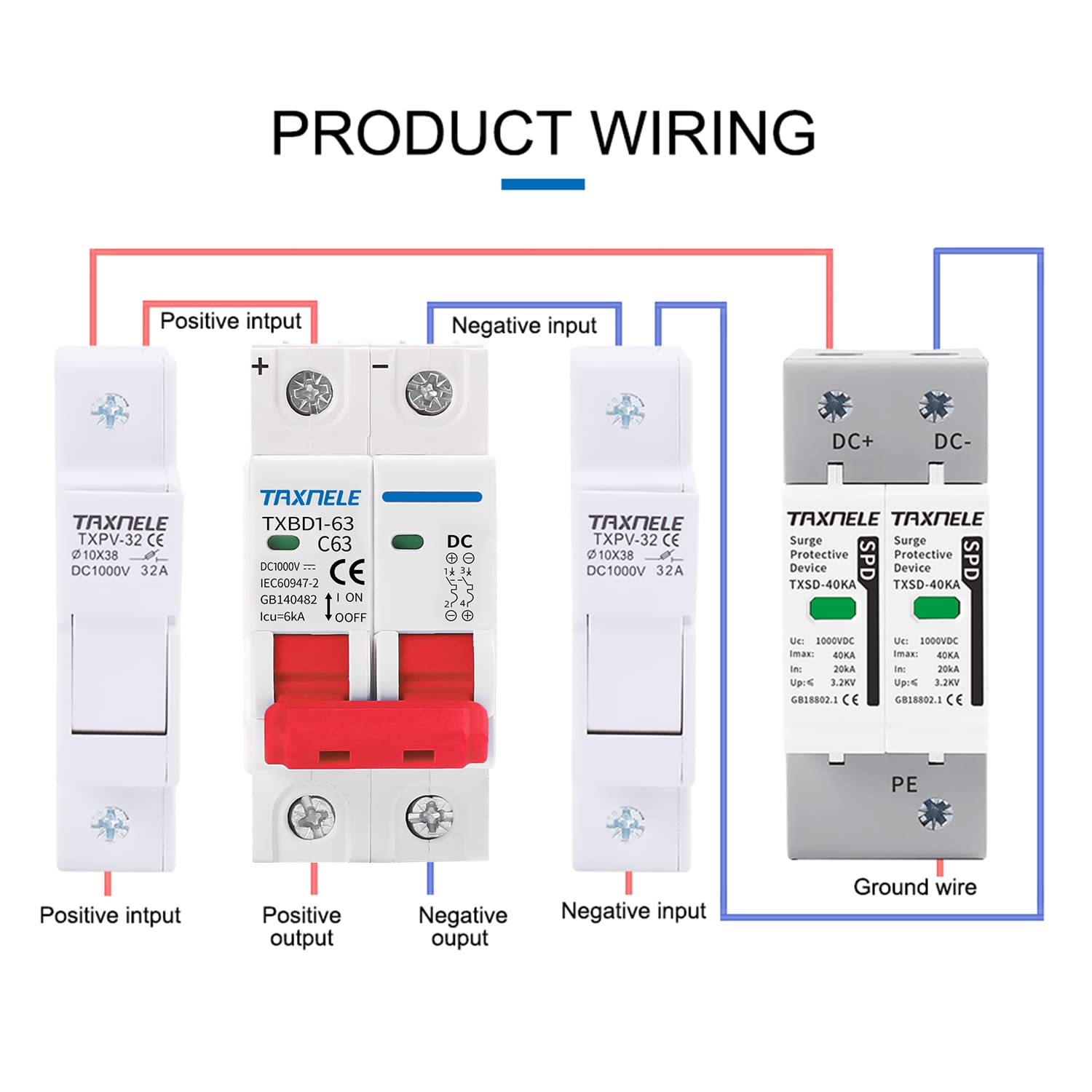
Image 6: Product wiring diagram for the DC Miniature Circuit Breaker.
6. Operating Instructions
Operating the DC Miniature Circuit Breaker is straightforward:
- Turning On: To energize the circuit, push the operating handle upwards to the 'ON' position. A green indicator may be visible, confirming the circuit is closed.
- Turning Off: To de-energize the circuit, push the operating handle downwards to the 'OFF' position. A red indicator may be visible, confirming the circuit is open.
- Automatic Tripping: In the event of an overload or short circuit, the circuit breaker will automatically trip to the 'OFF' position, disconnecting the circuit to prevent damage.
- Resetting After Trip: If the breaker trips, identify and resolve the fault in the connected circuit before attempting to reset it. Once the fault is cleared, push the operating handle fully to the 'OFF' position first, then push it upwards to the 'ON' position to restore power.
7. Maintenance
Regular maintenance helps ensure the longevity and reliable operation of your circuit breaker:
- Visual Inspection: Periodically inspect the circuit breaker for any signs of physical damage, such as cracks, discoloration, or burn marks. Check for loose wiring connections.
- Cleaning: Keep the circuit breaker clean and free from dust and debris. Use a dry, soft cloth for cleaning. Do not use liquid cleaners or abrasive materials.
- Functionality Check: Occasionally, manually switch the circuit breaker ON and OFF to ensure the operating handle moves freely and smoothly.
- Professional Inspection: For critical applications, consider periodic inspection by a qualified electrician.
8. Troubleshooting
Refer to the following troubleshooting guide for common issues:
| Problem | Possible Cause | Solution |
|---|---|---|
| Circuit breaker trips frequently | Overload in the circuit, short circuit, or faulty appliance. | Identify and disconnect the overloaded device or short-circuited section. Repair or replace faulty components. Do not repeatedly reset without addressing the cause. |
| No power to the load, but breaker is ON | Loose wiring connection, fault in the load, or upstream power issue. | Check all wiring connections for tightness. Test the load device separately. Verify power supply from the source. |
| Breaker does not stay ON | Persistent overload or short circuit, or internal breaker fault. | Ensure all loads are disconnected. If the breaker still trips, it may indicate an internal fault or a severe, undetected circuit issue. Consult a qualified electrician. |
9. Warranty and Support
Specific warranty details for this product are not provided in this manual. For warranty information, technical support, or service inquiries, please refer to the product packaging or contact TAXNELE customer service directly through their official channels.


