
PawHut D31-050
PawHut Covered Cat Litter Box (Model D31-050) - Instruction Manual
Model: D31-050
1. Introduction
This manual provides essential information for the proper setup, operation, and maintenance of your PawHut Covered Cat Litter Box, Model D31-050. Please read these instructions thoroughly before use to ensure optimal performance and longevity of the product.

Image 1.1: Overview of the PawHut Covered Cat Litter Box.
2. Package Contents
Verify that all components are present in the package:
- Covered Litter Box Housing (Top and Base)
- Removable Litter Tray
- Litter Scoop
- Litter Mat
- Deodorizing Filter Pack

Image 2.1: Included components: litter box, removable tray, scoop, and mat.
3. Safety Information
- Ensure the litter box is placed on a stable, level surface.
- Keep out of reach of small children to prevent accidental ingestion of litter or components.
- Regularly clean the litter box to maintain hygiene and prevent bacterial growth.
- Dispose of used litter and filters according to local regulations.
4. Setup
4.1 Assembly
- Unpack all components and verify against the package contents list.
- Insert the removable litter tray into the base of the litter box housing. Ensure it slides in smoothly and sits securely.
- Attach the litter scoop to the designated hook on the side of the litter box.
- Place the litter mat in front of the litter box entrance.
- Open the top vent and insert the deodorizing filter pack.
4.2 Initial Placement and Litter Filling
- Choose a quiet, accessible location for your cat.
- Fill the removable tray with your preferred cat litter to a depth of approximately 2-3 inches (5-7.5 cm).

Image 4.1: Litter box in a typical home environment, showing the attached scoop.
5. Operation
The PawHut Covered Cat Litter Box provides a private space for your cat while helping to contain odors and litter mess.
- Your cat will enter and exit through the front flap door. The enclosed design offers privacy.
- The integrated deodorizing filter helps to minimize odors within the litter box and surrounding area.
- The litter mat at the entrance is designed to collect litter particles from your cat's paws as they exit, reducing tracking.
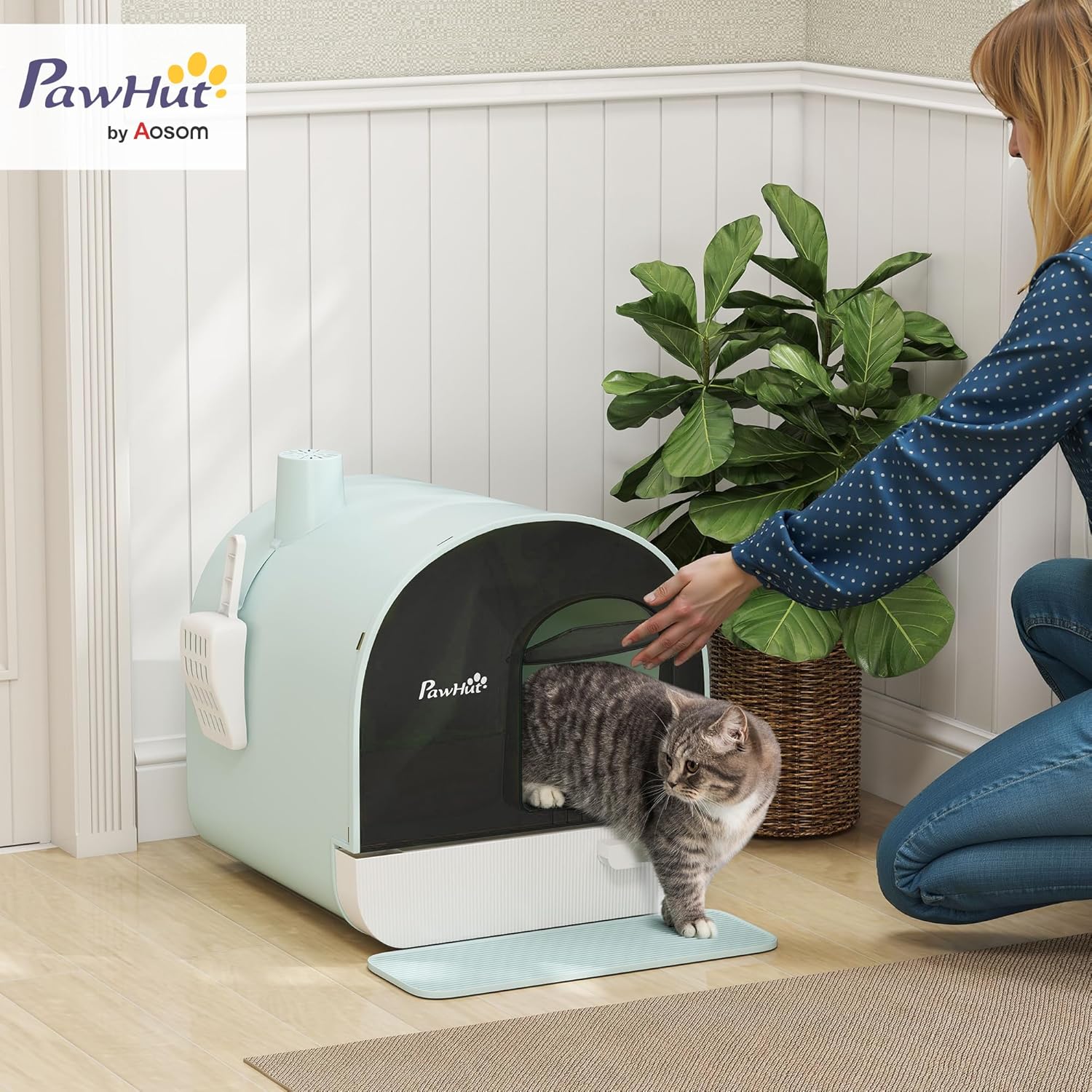
Image 5.1: Cat utilizing the front entrance of the litter box.
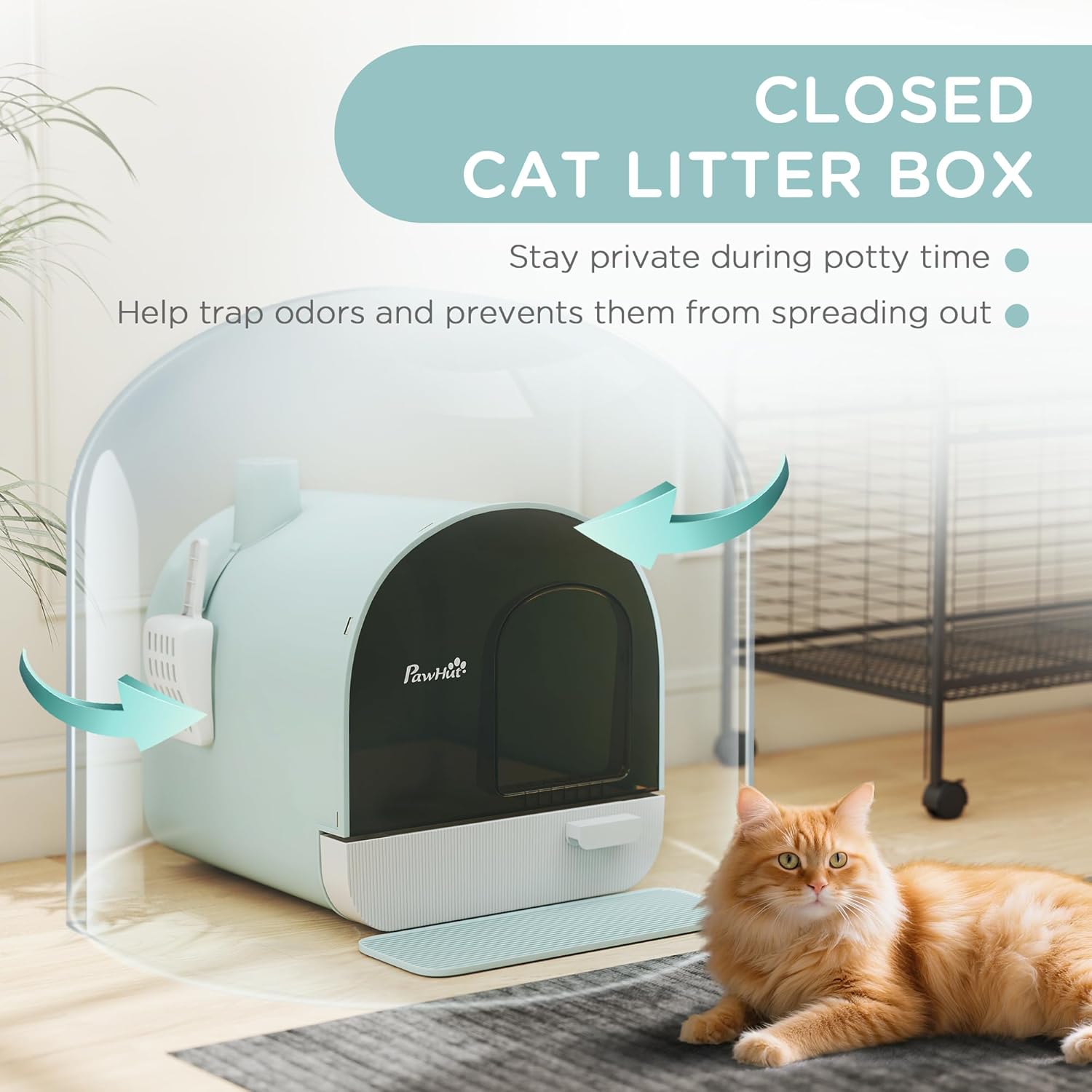
Image 5.2: Illustration of the covered design's odor containment feature.
6. Maintenance
Regular cleaning is crucial for your cat's health and to maintain a fresh home environment.
6.1 Daily Cleaning
- Using the attached scoop, remove solid waste and clumped litter from the tray daily.
- The removable tray slides out for easy access during scooping.
6.2 Weekly Deep Cleaning
- Slide out the removable litter tray completely.
- Empty all remaining litter into a waste bag.
- Wipe the tray and the interior of the litter box housing with a damp cloth and mild, pet-safe detergent. Rinse thoroughly.
- Allow all parts to air dry completely before refilling with fresh litter.
- Clean the litter mat by shaking off loose litter and wiping it down.
6.3 Deodorizing Filter Replacement
- The deodorizing filter should be replaced periodically, typically every 1-3 months, depending on usage and odor control needs.
- To replace, open the vent on the top of the litter box, remove the old filter, and insert a new one.

Image 6.1: Detail of the deodorizing filter.
7. Troubleshooting
- Odor Persistence: Ensure the deodorizing filter is correctly installed and replaced regularly. Increase the frequency of litter scooping and full litter changes.
- Litter Tracking: Verify the litter mat is positioned correctly at the entrance. Consider using a different type of litter that is less prone to tracking.
- Leakage: Check that the removable tray is fully inserted and seated properly within the housing. Ensure the litter level is not excessively high, which could lead to spills.
- Cat Refusal to Use: Some cats may be hesitant to use a covered litter box or the flap door. Try temporarily removing the flap door to allow your cat to adjust. Ensure the litter box is clean and placed in a private, accessible location.
8. Specifications
| Feature | Specification |
|---|---|
| Model Number | D31-050 |
| Overall Dimensions (L x W x H) | 17" x 17.25" x 18.5" (43.2 cm x 43.8 cm x 47 cm) |
| Tray Dimensions (L x W x H) | 17" x 17.25" x 3.25" (43.2 cm x 43.8 cm x 8.3 cm) |
| Flap Door Size (W x H) | 7" x 8.75" (17.8 cm x 22.2 cm) |
| Litter Mat Dimensions (L x W) | 18" x 6.75" (45.7 cm x 17.1 cm) |
| Material | Polypropylene (PP) |
| Item Weight | 6.2 lbs (2.8 kg) |
| Suitable for | Small cats and kittens under 10 lbs (4.5 kg) |
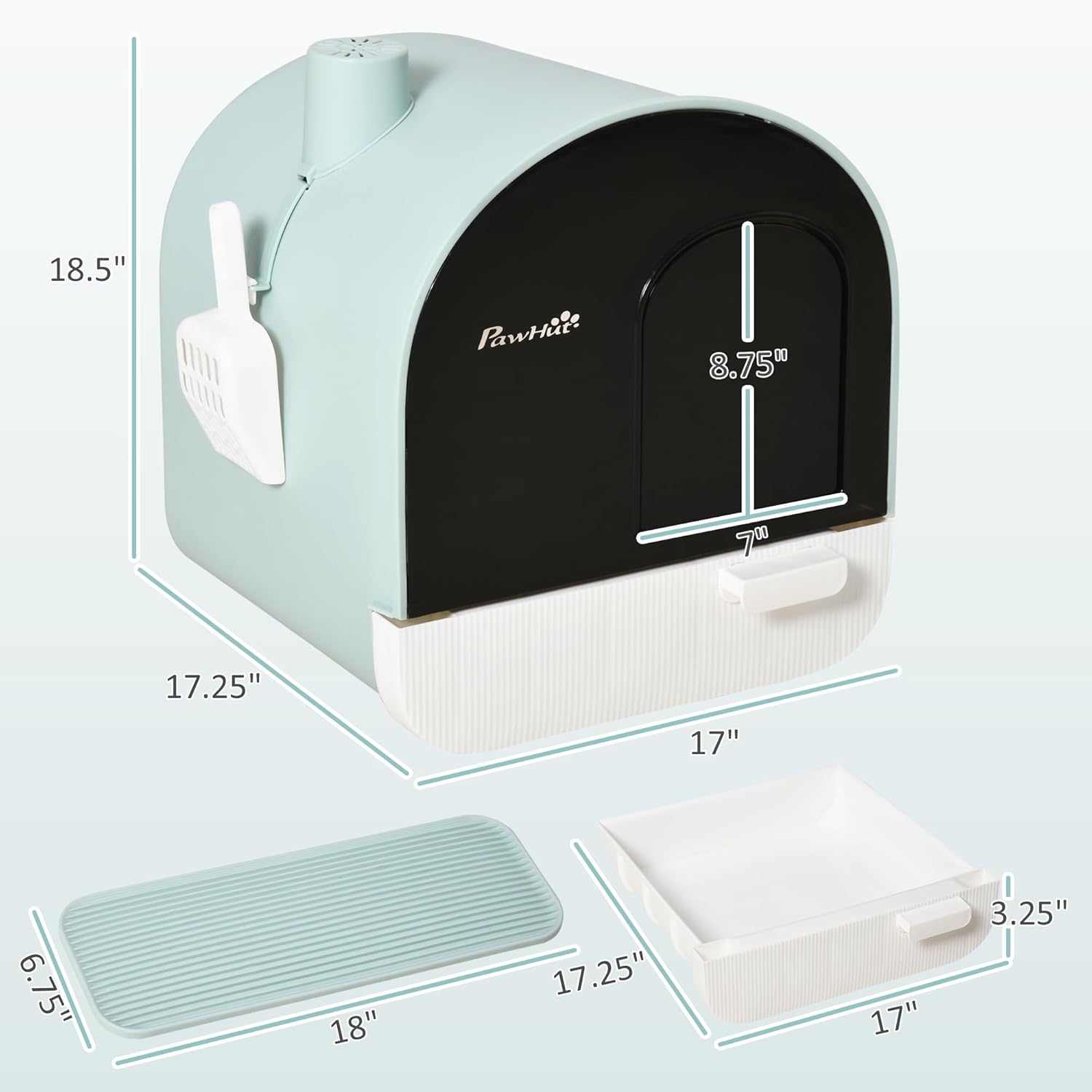
Image 8.1: Product dimensions diagram.
Ask a question about this manual
Ask about setup, troubleshooting, compatibility, parts, safety, or missing instructions. Manuals+ will review the question and use this page’s manual context to help answer it.