
1. Introduction & Safety Information
1.1 Product Overview
The VEVOR Manual Lever Chain Hoist is a robust and portable lifting device designed for various material handling tasks. It features a 1.5-ton (3300 lbs) lifting capacity and a 10-foot chain, constructed from G80 galvanized carbon steel for durability and corrosion resistance. The hoist incorporates a Weston style double-pawl brake system for enhanced safety and precise load control, along with a 360-degree rotating hook and an auto chain leading device to prevent jamming.

Image 1.1: The VEVOR Manual Lever Chain Hoist, showcasing its compact design and robust construction.
1.2 General Safety Warnings
- Read the Manual: Always read and understand this entire manual before operating the hoist.
- Rated Capacity: Never exceed the rated lifting capacity of 3300 lbs (1.5 tons). Overloading can cause severe injury or equipment damage.
- Inspection: Inspect the hoist, chain, hooks, and brake system before each use. Do not use if any damage or wear is observed.
- Secure Attachment: Ensure the hoist is securely attached to a suitable anchor point capable of supporting the load plus the hoist's weight.
- Load Stability: Always ensure the load is balanced and stable before lifting. Avoid swinging loads.
- Personnel Safety: Keep hands, feet, and body clear of the chain and load during operation. Never stand under a suspended load.
- Environmental Conditions: Use the hoist in well-lit areas. Avoid using in corrosive, explosive, or extremely dusty environments.
- Unauthorized Modifications: Do not modify the hoist or its components. Use only genuine VEVOR replacement parts.
- Storage: Store the hoist in a clean, dry place when not in use.
2. Product Components
The VEVOR Manual Lever Chain Hoist consists of several key components:
- Top Hook: For attaching the hoist to an anchor point. Features a safety latch.
- Load Chain: G80 galvanized manganese steel chain for lifting the load.
- Bottom Hook: For attaching to the load. Features a 360-degree rotation and safety latch.
- Operating Lever: Used to manually lift or lower the load.
- Direction Selector: A switch or lever to select lifting, lowering, or neutral (free chain) mode.
- Brake System: Internal Weston style double-pawl brake for secure load holding.
- Chain Leading Device: Guides the chain smoothly to prevent jamming.
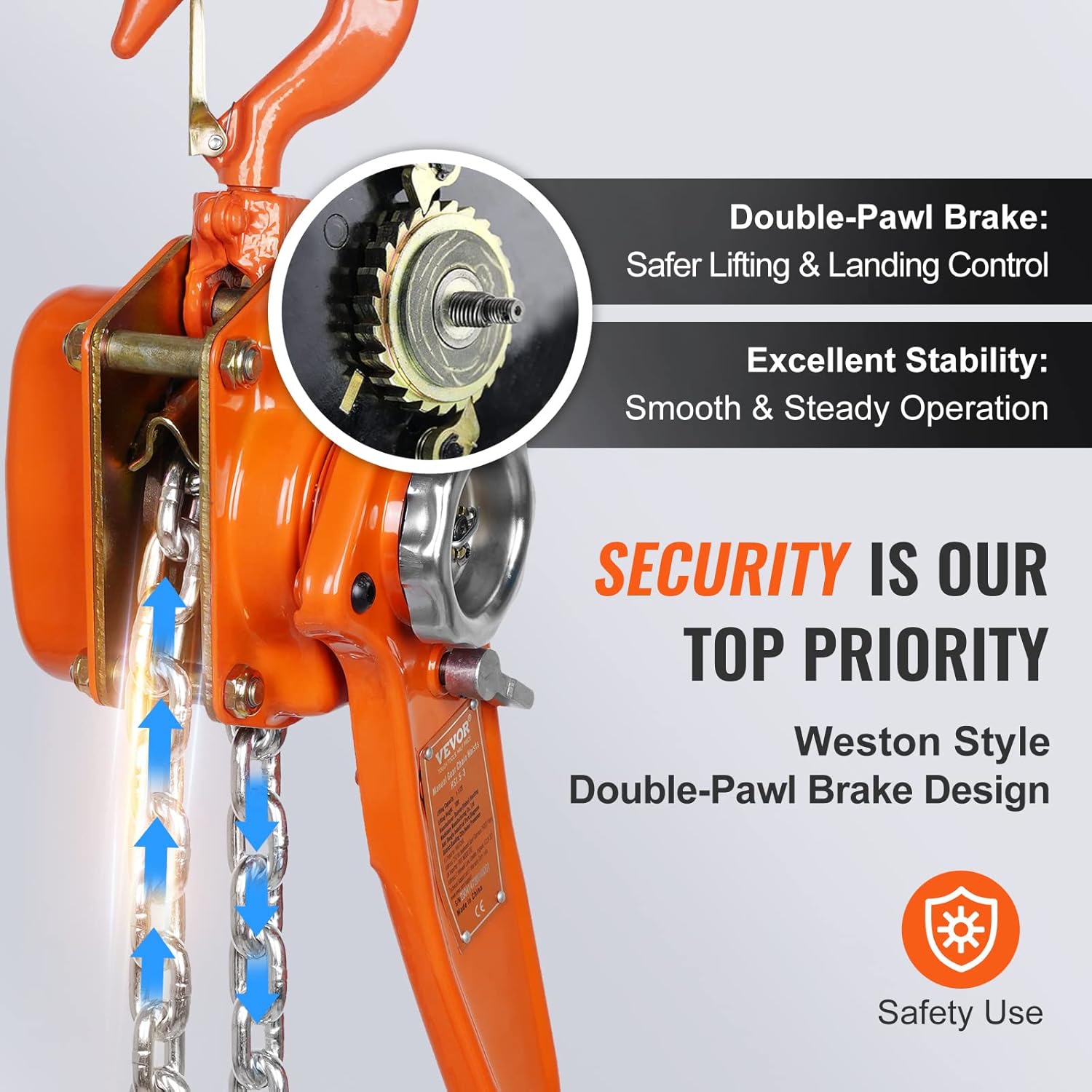
Image 2.1: Detailed view of the Weston style double-pawl brake system, ensuring stable and secure operation.

Image 2.2: The 360-degree rotating hook with a locking buckle design for stable and secured operation.
3. Setup and Installation
3.1 Pre-Operation Inspection
Before each use, perform the following checks:
- Verify that the hoist's rated capacity meets or exceeds the load to be lifted.
- Inspect the load chain for kinks, twists, wear, corrosion, or damage. Replace if necessary.
- Check both the top and bottom hooks for deformation, cracks, or excessive wear. Ensure safety latches operate freely and close properly.
- Test the brake system by applying a small load and checking if it holds securely.
- Ensure the operating lever and direction selector move freely and engage positively.
3.2 Mounting the Hoist
Attach the top hook of the hoist to a secure, overhead anchor point. This anchor point must be structurally sound and rated to support at least the maximum intended load plus the weight of the hoist. Ensure the safety latch on the top hook is fully closed and engaged.
4. Operating Instructions
4.1 Lifting Loads
- Set the direction selector to the 'UP' position (usually indicated by an arrow pointing upwards).
- Attach the bottom hook securely to the load. Ensure the safety latch is closed.
- Operate the lever with smooth, steady strokes. The load will begin to lift.
- Monitor the load's stability throughout the lift. Avoid sudden movements.
- To stop lifting, simply release the operating lever. The brake system will automatically hold the load in position.
4.2 Lowering Loads
- Set the direction selector to the 'DOWN' position (usually indicated by an arrow pointing downwards).
- Operate the lever with smooth, controlled strokes. The load will begin to lower.
- Control the lowering speed by the rate and force applied to the lever.
- To stop lowering, release the operating lever. The brake system will hold the load.
4.3 Free Chain Operation
For quick adjustment of the unloaded chain length, the hoist features a free chain mode:
- Ensure there is absolutely NO LOAD on the hoist. Attempting free chain operation with a load can cause serious injury or damage.
- Set the direction selector to the 'NEUTRAL' or 'FREE' position.
- Pull the load chain manually to adjust its length. The auto chain leading device will guide the chain smoothly.
- Once the desired length is achieved, return the direction selector to the 'UP' or 'DOWN' position before applying any load.

Image 4.1: The auto chain leading design ensures smooth chain movement and prevents jamming during operation.
5. Maintenance
Regular maintenance is crucial for the safe and efficient operation of your VEVOR Lever Chain Hoist.
5.1 Regular Inspection
- Perform a visual inspection before each use, as detailed in Section 3.1.
- Conduct a thorough inspection monthly or after heavy use, checking for wear on gears, pawls, and other internal mechanisms. If unsure, consult a qualified technician.
5.2 Lubrication
- Keep the load chain lightly lubricated with a suitable chain lubricant to prevent rust and reduce wear.
- Periodically lubricate internal moving parts (gears, pawls, shafts) with high-quality grease. Refer to a service manual or qualified technician for detailed lubrication points.
5.3 Cleaning and Storage
- Clean the hoist regularly to remove dirt, dust, and debris. A closed housing design helps protect internal components.
- Store the hoist in a dry, clean environment, away from corrosive chemicals or extreme temperatures.
6. Troubleshooting
This section addresses common issues you might encounter with your lever chain hoist.
| Problem | Possible Cause | Solution |
|---|---|---|
| Hoist not lifting/lowering | Direction selector in neutral; brake engaged; overloaded; damaged mechanism. | Check selector position; ensure not overloaded; inspect for damage. |
| Chain jams or snags | Twisted chain; debris in chain path; worn chain leading device. | Untwist chain; clean chain path; inspect chain leading device. |
| Brake slipping | Worn brake components; contamination (oil/grease) on brake. | Discontinue use immediately. Have a qualified technician inspect and repair. |
| Excessive effort required to operate lever | Lack of lubrication; worn internal components; overloaded. | Lubricate chain and internal parts; ensure not overloaded; inspect for wear. |
If you encounter problems not listed here or if solutions do not resolve the issue, contact VEVOR customer support or a qualified service technician.
7. Specifications
| Feature | Specification |
|---|---|
| Brand | VEVOR |
| Model Number | Manual Lever Chain Hoist |
| Lifting Capacity | 3300 lbs (1.5 Tons) |
| Lifting Height | 10 FT (approx. 3.05 meters) |
| Chain Type | G80 Galvanized Manganese Steel |
| Brake System | Weston Style Double-Pawl |
| Hook Rotation | 360 degrees |
| Product Dimensions | 20.3 x 8.7 x 6.7 inches |
| Item Weight | 28.2 pounds (12.77 kg) |
| Included Components | 1 x Lever Hoist, 1 x Manual |
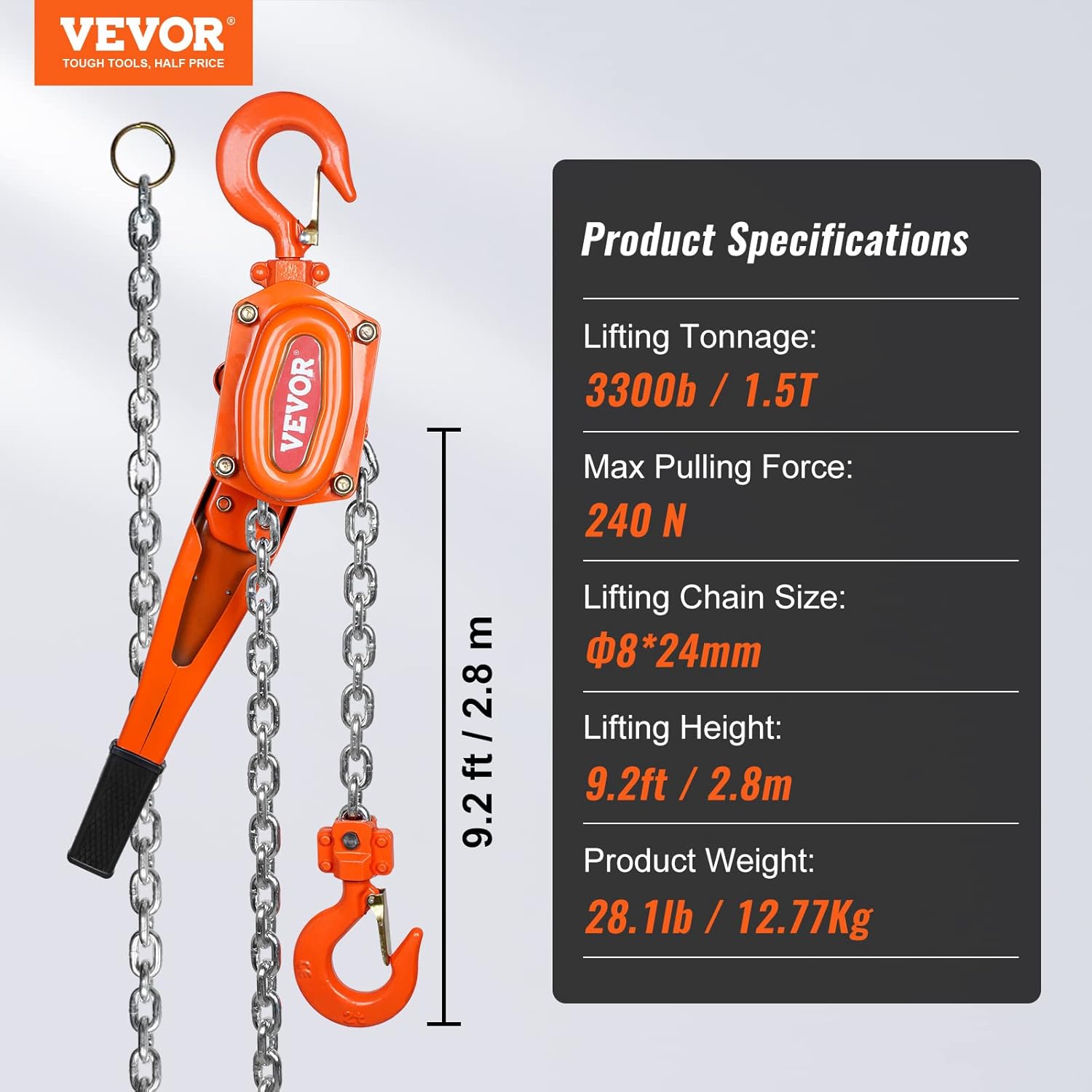
Image 7.1: Visual representation of key product specifications, including lifting tonnage and dimensions.
8. Warranty and Support
VEVOR products are designed for durability and performance. For specific warranty details, please refer to the warranty card included with your product or visit the official VEVOR website. If you have any questions, require technical assistance, or need to report an issue, please contact VEVOR customer support through their official channels.
Contact Information: Refer to the contact details provided in your product packaging or on the official VEVOR website.


