
1. Introduction
The LAUNCH CNC-603A is a professional 110V ultrasonic fuel injector cleaning and testing machine designed for gasoline and motorcycle fuel injection systems. This device facilitates the cleaning and comprehensive testing of up to six injectors simultaneously, ensuring optimal performance and fuel efficiency.
2. Product Overview and Features
The CNC-603A features a durable sheet metal shell and a space-saving 2-in-1 design where the cleaner can be separated. It incorporates high-temperature resistant glass tubes and a user-friendly design for fuel intake and discharge. The seamless key mask enhances oil resistance. Key functionalities include ultrasonic cleaning, support for on-vehicle cleaning, and various diagnostic tests.
- Durable Construction: Sheet metal shell for reliable, long-term use.
- Integrated Design: 2-in-1 unit, allowing the cleaner to be separated for convenience.
- Robust Components: Glass tubes are resistant to extreme temperatures.
- User-Friendly Operation: Convenient fuel intake and drain pipe design.
- Oil Resistance: Seamless key mask design for improved durability against oil exposure.
- Ultrasonic Cleaning: Utilizes advanced ultrasonic technology, including support for on-vehicle cleaning.
- Comprehensive Testing: Performs uniformity, atomization, sealing, and fuel injection quantity detection.
- Automated Processes: Features automatic injector cleaning inspection and automated control of cleaning and detection.
- Flexible Oil Draining: Supports both automatic and manual oil draining.
- Platform Integration: Scan QR code for access to the LAUNCH platform for equipment information and feedback.

Figure 2.1: Various views of the LAUNCH CNC-603A unit, showcasing its integrated design and components.
2.1. Comparison with LAUNCH CNC-602A
The CNC-603A offers several enhancements over its predecessor, the CNC-602A:
- Integrated Design: CNC-603A combines cleaning and detection, while CNC-602A has separate units.
- User Interface: CNC-603A features a more user-friendly LCD screen interface compared to the digital tube display of CNC-602A.
- Hydraulic Display: The hydraulic pressure display on the CNC-603A is positioned closer to the injector for more intuitive readings.
- Observation: The transparent tube of the CNC-603A's inspection observation window is closely connected, offering more convenient observation than the CNC-602A.

Figure 2.2: Visual comparison highlighting design and interface differences between CNC-603A and CNC-602A.
3. Understanding Fuel Injectors
Fuel injectors are critical components responsible for atomizing fuel and controlling the air-fuel ratio in an engine. They consist of a strainer, return spring, needle valve, and an electromagnetic coil. The Engine Control Unit (ECU) precisely controls the solenoid valve's on-time to regulate fuel injection based on engine conditions.
3.1. Common Faults Caused by Carbon Deposits
- Leakage of Needle Valve: Leads to a rich mixture, black smoke, difficult driving, and excessive exhaust emissions.
- Blocked Needle Valve: Results in insufficient fuel or diluted mixture, poor atomization, and uneven fuel injection quantity.
- Internal Spring or Coil Failure: Can cause complete injector malfunction.
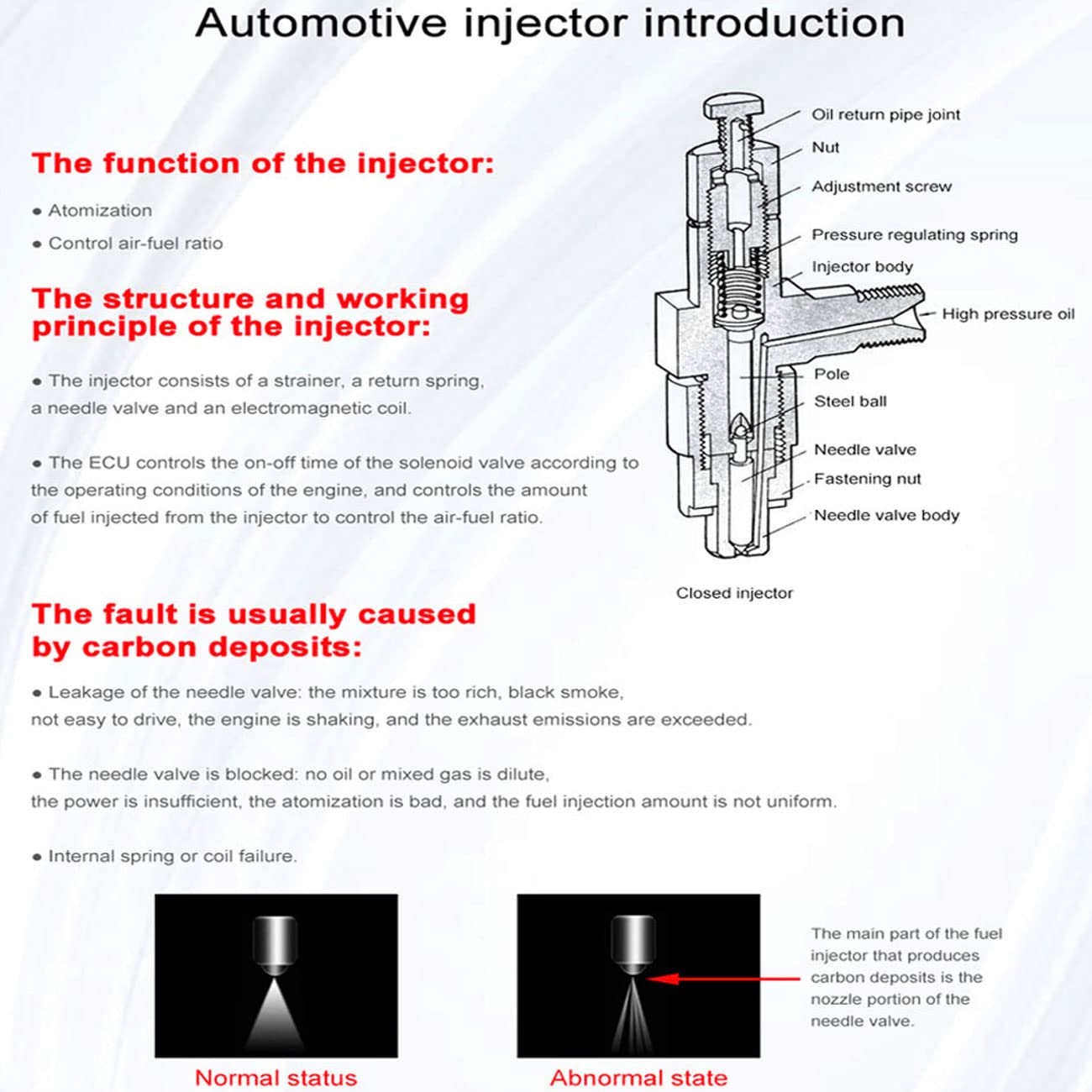
Figure 3.1: Diagram illustrating the internal structure of a fuel injector and visual examples of normal and abnormal fuel spray patterns.
4. Setup and Initial Cleaning
- External Cleaning: Before operating the machine, clean the exterior of the injectors with a suitable cleaning liquid to remove surface dirt.
- Ultrasonic Bath Placement: Place the injectors into the ultrasonic bathtub. Ensure the cleaning fluid level does not exceed the connection port of the pulse line.
- Ultrasonic Cleaning Activation: Activate the ultrasonic system. This process dislodges any particle buildup inside the injectors. After cleaning, the remaining fluid can be recycled according to local regulations.

Figure 4.1: Front view of the CNC-603A, highlighting the ultrasonic cleaning bath.
5. Operating Instructions: Injector Testing
- Injector Mounting and Initial Tests: Securely fix the cleaned injectors onto the main machine's test bench. Conduct initial tests for injector resistance, shorts, and current draw. Fill the glass tubes with test liquid up to the halfway mark.
- Performance Testing: Perform a series of tests on the flow bench, including leak tests, spray pattern analysis, and flow rate measurements. After these tests, the injectors should be retested for all functions to confirm optimal operation.
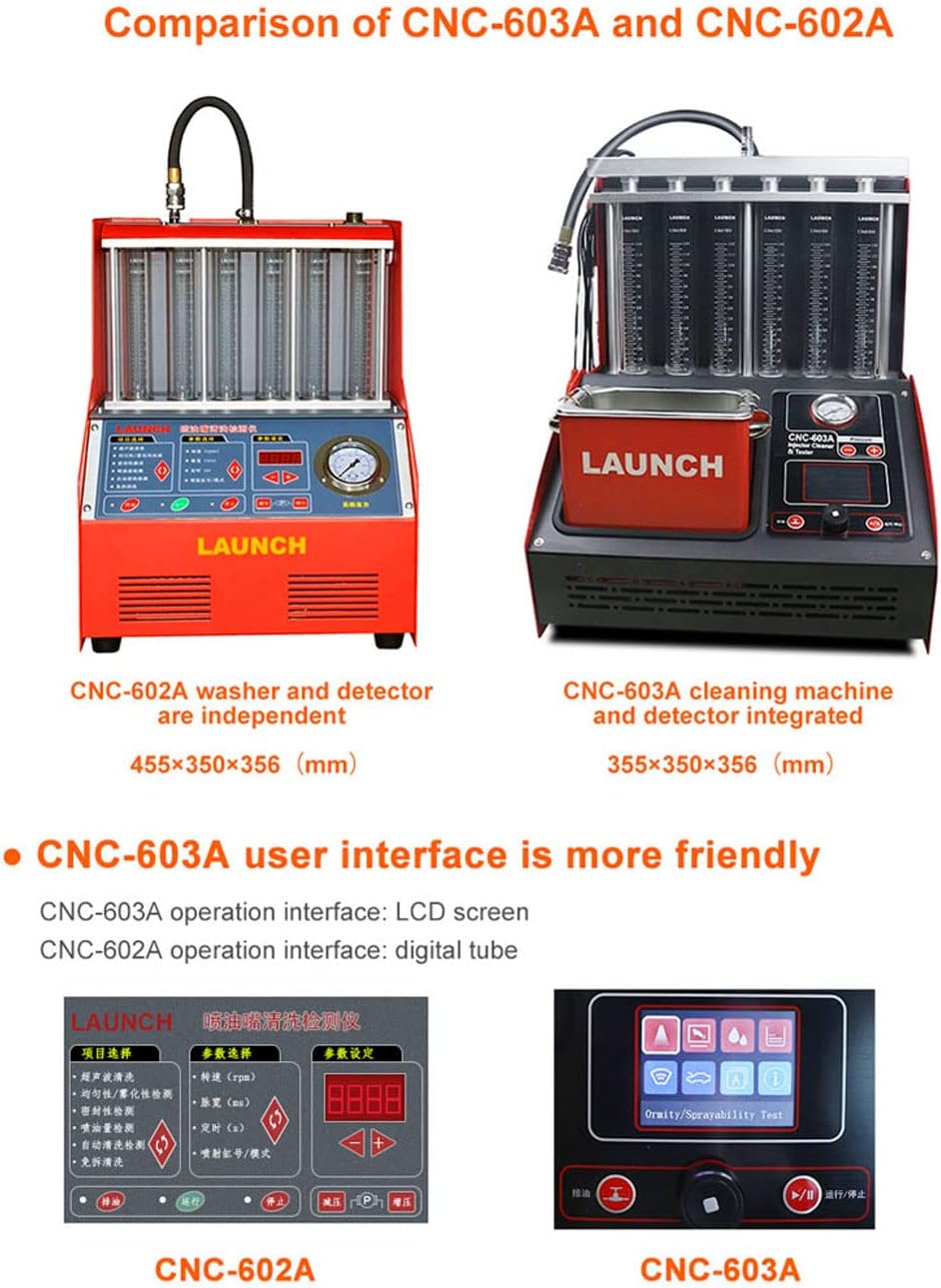
Figure 5.1: Injectors installed on the test bench for diagnostic procedures.

Figure 5.2: Detailed view of the testing area, showing the glass tubes and injector connections.
6. Maintenance
To ensure the longevity and accurate operation of your LAUNCH CNC-603A, regular maintenance is recommended:
- Cleanliness: Keep the machine exterior clean and free from dust and fluid spills.
- Fluid Management: Always use appropriate cleaning and testing fluids. Dispose of used fluids responsibly according to environmental regulations.
- Storage: Store the unit in a dry, clean environment when not in use.
7. Troubleshooting
Refer to the "Understanding Fuel Injectors" section (Section 3) for common injector faults related to carbon deposits, which are the primary issues this machine addresses. If the machine itself experiences operational issues, ensure all connections are secure and power supply is stable. For persistent problems, contact customer support.
8. Specifications
| Parameter | Value |
|---|---|
| Power Supply | AC110V-127V, 50Hz/60Hz, 3A max |
| Mechanical Power | 300W |
| Ultrasonic Cleaning Power | 100W |
| Simulation Test Speed Range | 10-9990rpm (step: 10rpm) |
| Timing Range | 1-9999s |
| Pulse Width Range | 0.5-25ms (step: 0.1ms) |
| Operating Volume | 2000ml |
| Main Unit Dimension (L×W×H) | 355mm×350mm×356mm |
| Net Weight | 16.5kg |
| Gross Weight | 18.5kg |
| Environment Temperature | 0℃ to +45℃ |
| Relative Humidity | <85% |
| External Magnetic Field Strength | <400A/m |
Safety Note: Open fires are strictly prohibited within 2 meters of the device.
9. Warranty and Support
Specific warranty information is not provided in the product details. For warranty claims, technical support, or service inquiries, please refer to the contact information provided with your purchase or visit the official LAUNCH website.


