1. Introduction
This manual provides essential information for the proper installation, operation, and maintenance of the zatagen FO2D-35 Mechanical Shaft Seal. Adhering to these instructions will ensure optimal performance and extend the service life of the seal. The FO2D-35 is designed for various applications requiring reliable sealing of rotating shafts, featuring durable alloy materials and fluororubber components for enhanced chemical resistance and temperature stability.
2. Safety Information
Always prioritize safety during handling, installation, and maintenance. Failure to follow safety precautions can result in injury or equipment damage.
- Wear appropriate personal protective equipment (PPE), including gloves and eye protection.
- Ensure all power to the equipment is disconnected and locked out before beginning any work.
- Handle seal faces with extreme care to prevent scratches or damage, which can lead to leakage.
- Refer to equipment-specific safety guidelines in addition to this manual.
3. Product Overview
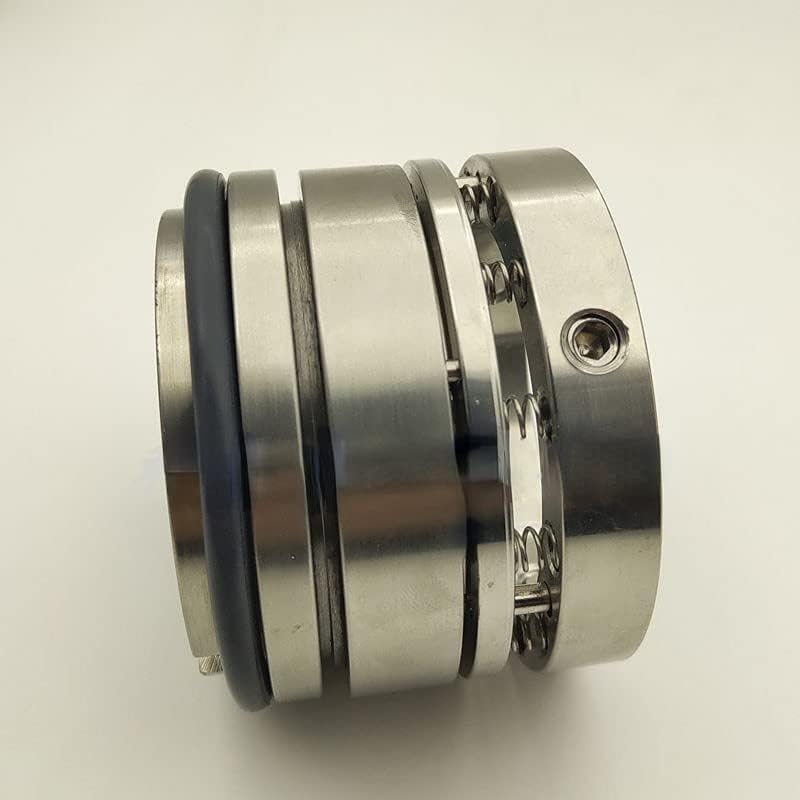
The zatagen FO2D-35 is a robust mechanical shaft seal designed to prevent fluid leakage along a rotating shaft. It consists of several key components that work together to create a dynamic seal.



4. Installation Guide
Proper installation is critical for the reliable operation of the mechanical seal. Follow these steps carefully:
- Preparation: Clean the shaft, stuffing box, and all seal components thoroughly. Ensure there are no burrs, sharp edges, or debris that could damage the seal faces or O-rings.
- Shaft Inspection: Verify that the shaft is free from scratches, corrosion, or excessive runout.
- Lubrication: Lightly lubricate the shaft and O-rings with a clean, compatible fluid (e.g., the process fluid or a clean oil) to aid installation and prevent damage.
- Install Stationary Seat: Carefully press the stationary seat into the stuffing box bore. Ensure it is seated squarely and fully. Do not use excessive force or impact tools.
- Install Rotating Unit: Slide the rotating unit onto the shaft. Be extremely careful not to damage the primary seal face or the O-rings during this step.
- Set Working Length: Position the rotating unit to achieve the correct working length or compression as specified by the equipment manufacturer. This often involves setting a specific distance from the stuffing box face.
- Secure Components: Tighten any set screws or fasteners on the rotating unit to secure it to the shaft, ensuring even torque.
- Final Check: Manually rotate the shaft to ensure free movement and verify that the seal faces are properly engaged without binding.
5. Operation Principles
The zatagen FO2D-35 mechanical seal operates by creating a dynamic seal between two precisely lapped faces: one stationary and one rotating. A spring mechanism provides axial force to keep these faces in constant contact. A thin fluid film between the faces lubricates them and dissipates heat, while also providing the primary sealing barrier against leakage. The fluororubber secondary seals (O-rings) prevent leakage along the shaft and between the stationary seat and the stuffing box.
6. Maintenance
Regular inspection and proper maintenance practices are essential for maximizing the lifespan and reliability of your mechanical seal.
- Routine Inspection: Periodically check for signs of leakage around the seal area. Minor weeping may occur initially but should subside. Persistent or heavy leakage indicates a problem.
- System Cleanliness: Ensure the process fluid is clean and free of abrasive particles, which can accelerate seal face wear.
- Temperature Monitoring: Monitor the operating temperature of the seal. Excessive heat can degrade seal materials and lead to premature failure.
- Vibration Check: Excessive vibration in the pump or shaft can negatively impact seal performance. Address any vibration issues promptly.
- Replacement: Mechanical seals are wear components. Replace the seal if significant leakage occurs, or if inspection reveals excessive wear, cracking, or damage to the seal faces or secondary seals. Always replace the entire seal unit.
7. Troubleshooting
Common issues and their potential causes:
| Problem | Possible Cause | Solution |
|---|---|---|
| Excessive Leakage |
|
|
| Premature Wear |
|
|
| Overheating |
|
|
8. Specifications
| Feature | Detail |
|---|---|
| Brand | zatagen |
| Model | FO2D-35 |
| Part Number | FO2D-30 (Series Identifier) |
| Material | Alloy, Fluororubber |
| ASIN | B0BYSC6DRC |
| Date First Available | March 17, 2023 |
9. Warranty Information
The zatagen FO2D-35 Mechanical Shaft Seal is covered by a 120-day warranty from the date of purchase. This warranty covers defects in materials and workmanship under normal use and service. It does not cover damage resulting from improper installation, misuse, neglect, accident, or unauthorized modification. For warranty claims, please retain your proof of purchase and contact customer support.
10. Customer Support
For further assistance, technical inquiries, or warranty support regarding your zatagen FO2D-35 Mechanical Shaft Seal, please refer to the contact information provided by your retailer or the official zatagen website.