1. Introduction
Thank you for choosing the vhbw replacement door seal for your washing machine. This manual provides essential information for the proper installation, maintenance, and safe use of your new door seal. Please read these instructions carefully before proceeding with installation to ensure optimal performance and longevity of the product.
2. Product Overview
The vhbw washing machine door seal is a high-quality rubber gasket designed to create a watertight seal between the washing machine door and the drum. This prevents water leakage during wash cycles, protecting both your appliance and the surrounding environment. It features a durable construction with drainage holes and a lip for effective sealing.

Image 1: Top-down view of the vhbw washing machine door seal. This image highlights the circular design and the internal structure of the seal, including the ridges that help secure it in place.
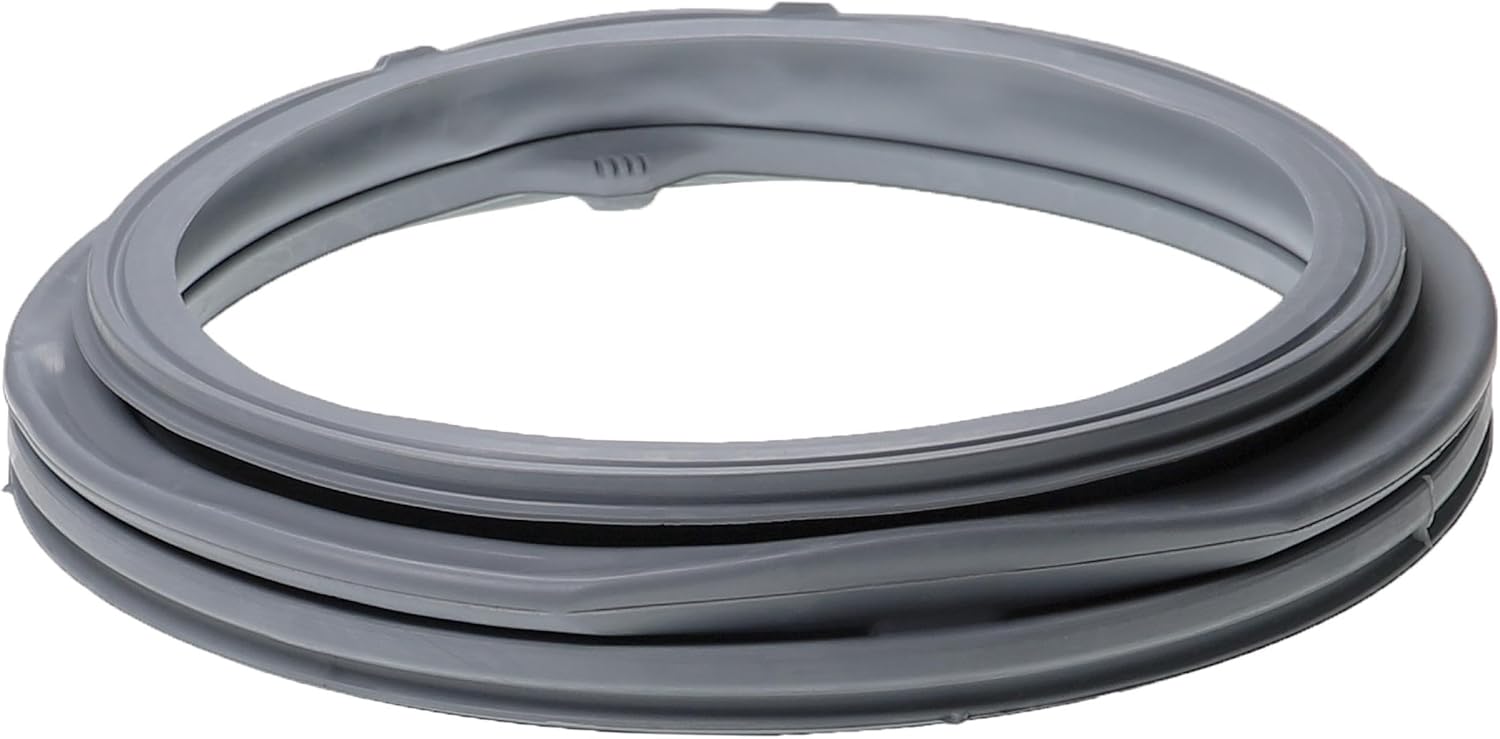
Image 2: Angled view of the vhbw washing machine door seal. This perspective illustrates the depth and flexibility of the rubber material, crucial for forming a tight seal.

Image 3: Front view of the vhbw washing machine door seal. This image provides a clear view of the entire circular gasket, including the drainage holes and the sealing lip.
3. Compatibility
This vhbw door seal is compatible with the following Friac washing machine models:
- Friac WML 15105 P (Part No. 114604, 7132082300)
- Friac WML 15125 P (Part No. 7164882100)
- Friac WML 25125 R (Part No. 7139381100)
It is a direct replacement for part number 2904520100.
4. Specifications
| Material | Rubber |
| Height | 5.3 cm |
| Diameter | 36.5 cm |
| Color | Grey |
| Weight | 740 g |
| Features | With drainage holes, with lip, without spout |
5. Installation Instructions
Replacing a washing machine door seal requires careful attention. If you are unsure about any step, it is recommended to consult a qualified technician.
- Safety First: Always unplug the washing machine from the power outlet and turn off the water supply before beginning any repair work.
- Access the Seal: Open the washing machine door. Locate the retaining spring or clamp that holds the outer edge of the old door seal to the front panel of the machine. Carefully remove this spring/clamp.
- Remove Old Seal: Gently pull the outer edge of the old seal away from the front panel. Then, reach inside the drum and locate the inner retaining spring/clamp that secures the seal to the drum opening. Remove this inner spring/clamp and carefully pull the old seal out.
- Clean Area: Thoroughly clean the area where the old seal was seated, both on the front panel and around the drum opening. Remove any detergent residue, mold, or debris.
- Install New Seal: Position the new vhbw door seal. Ensure the drainage holes (if present) are correctly aligned at the bottom. First, fit the inner lip of the new seal around the drum opening, securing it with the inner retaining spring/clamp. Ensure it is seated evenly and securely.
- Secure Outer Edge: Next, fit the outer lip of the new seal around the front panel opening. Reinstall the outer retaining spring or clamp, ensuring the seal is taut and properly seated all around the door frame.
- Final Check: Once installed, gently push on the seal to ensure it is firmly in place and there are no gaps. Close the washing machine door.
- Test: Reconnect the power and water supply. Run a short, empty wash cycle (e.g., a rinse cycle) to check for any leaks before normal use.
6. Maintenance
To ensure the longevity and optimal performance of your vhbw door seal, follow these maintenance tips:
- Regular Cleaning: After each wash, wipe down the door seal with a clean cloth to remove any excess water, detergent residue, or lint. This helps prevent mold and mildew buildup.
- Deep Cleaning: Periodically clean the seal with a mild detergent solution or a washing machine cleaner designed for rubber components. Ensure to rinse thoroughly.
- Ventilation: Leave the washing machine door slightly ajar after use to allow air circulation and help dry out the seal and drum, further preventing mold growth.
- Avoid Harsh Chemicals: Do not use abrasive cleaners, bleach, or harsh chemicals directly on the rubber seal, as these can degrade the material over time.
7. Troubleshooting
If you encounter issues after replacing the door seal, consider the following:
- Water Leakage: If water leaks, re-check the installation. Ensure both the inner and outer retaining springs/clamps are correctly and securely seated. Verify that the seal is not twisted or pinched anywhere.
- Door Not Closing Properly: Ensure the seal is not obstructing the door latch mechanism. The seal should be evenly seated without bulging.
- Unpleasant Odors: This usually indicates mold or mildew buildup. Refer to the maintenance section for cleaning instructions. Ensure proper ventilation after each wash.
If problems persist, it is advisable to contact a professional appliance repair technician.
8. Warranty and Support
vhbw products are manufactured to high-quality standards. For specific warranty information or technical support, please refer to the documentation provided with your purchase or visit the official vhbw website. Keep your proof of purchase for any warranty claims.