
1. Introduction
This manual provides essential information for the safe and efficient operation, maintenance, and troubleshooting of your HPDMC 13HP Gas Powered Air Compressor. Please read this manual thoroughly before operating the unit to ensure proper use and to prevent injury or damage.
The HPDMC 13HP Gas Powered Air Compressor is designed for heavy-duty applications, featuring a 3-cylinder piston pump, a 30-gallon horizontal tank, and a powerful 13HP gasoline engine. It delivers up to 125 PSI at 44 CFM, making it suitable for various industrial and professional tasks.

Image 1.1: Overview of the HPDMC 13HP Gas Powered Air Compressor.
2. Safety Information
WARNING: Failure to follow these safety instructions may result in serious injury or death.
- Read All Instructions: Before operating the air compressor, read and understand all safety warnings, instructions, and specifications provided in this manual.
- Personal Protective Equipment (PPE): Always wear appropriate eye protection (safety glasses or goggles), hearing protection, and sturdy footwear when operating the compressor.
- Ventilation: Operate the gasoline engine in a well-ventilated area to prevent carbon monoxide poisoning. Never operate indoors or in enclosed spaces.
- Flammable Materials: Keep the compressor away from flammable liquids, gases, or combustible materials. Fueling should be done in a well-ventilated area with the engine off and cool.
- Electrical Safety: If using electric start, ensure all electrical connections are secure and properly grounded. Do not operate with damaged cords or wires.
- Pressure Relief Valve: Never tamper with or remove the pressure relief valve. It is a critical safety device designed to prevent over-pressurization of the tank.
- Drain Tank Regularly: Condensation will accumulate in the air tank. Drain the tank daily or after each use to prevent corrosion and maintain tank integrity.
- Hot Surfaces: The compressor pump and engine components become hot during operation. Avoid contact to prevent burns.
- Secure Placement: Ensure the compressor is placed on a stable, level surface to prevent tipping during operation.
- Children and Bystanders: Keep children and unauthorized persons away from the operating compressor.
3. Product Components
Familiarize yourself with the main components of your HPDMC air compressor for safe and effective operation.
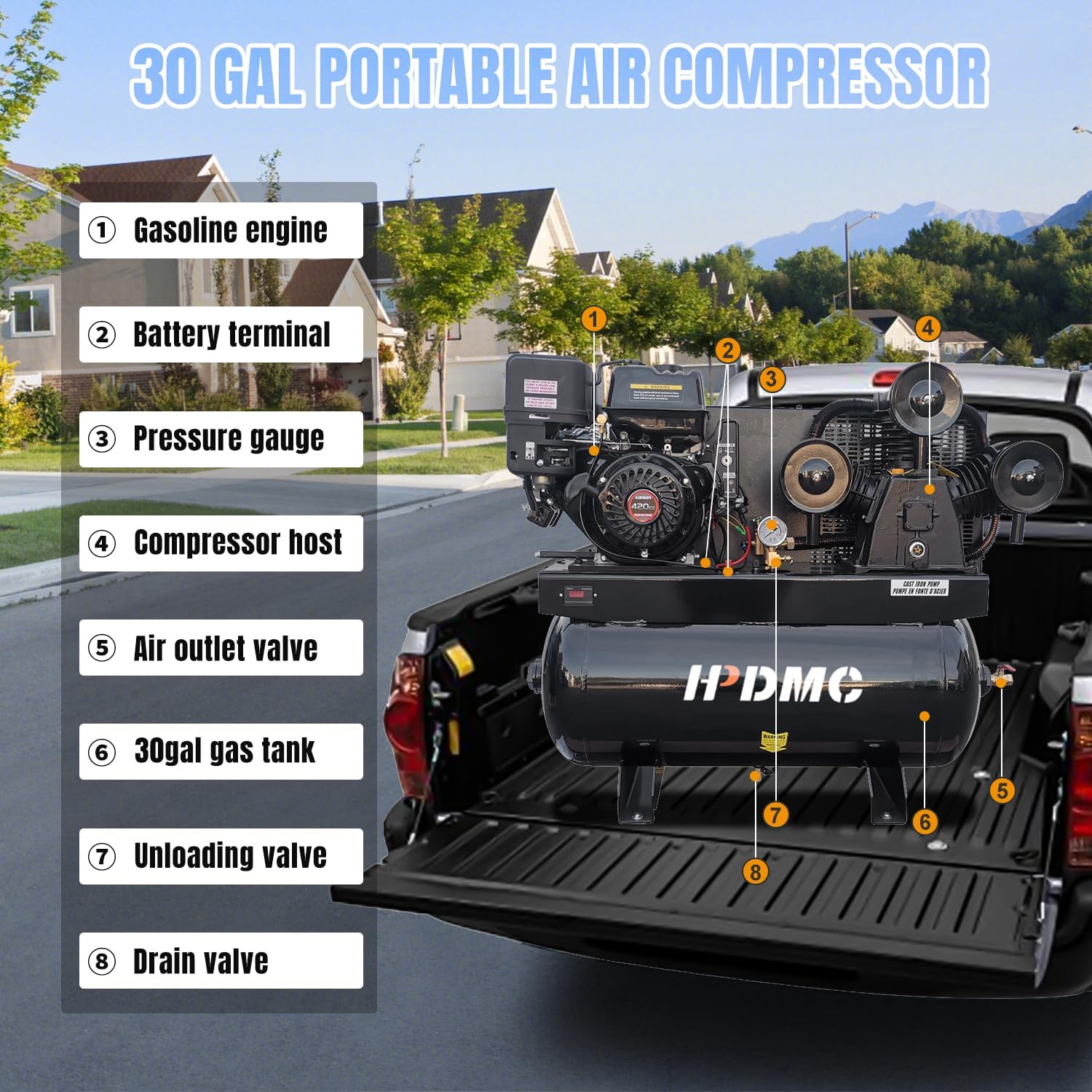
Image 3.1: Key components of the HPDMC 30-gallon portable air compressor.
- Gasoline Engine: Provides power to the compressor pump.
- Battery Terminal: Connection point for the electric start battery (battery and cable not included).
- Pressure Gauge: Displays the current air pressure in the tank.
- Compressor Host (Pump): The mechanism that compresses air.
- Air Outlet Valve: Connects to air hoses and tools.
- 30 Gallon Gas Tank (Air Tank): Stores compressed air.
- Unloading Valve: Releases air pressure from the pump head when the compressor stops.
- Drain Valve: Located at the bottom of the air tank for draining condensation.
Additional features include a throttle control for engine speed, a high-sensitivity control valve for precise air pressure regulation, and an NPT 1/2 export pipe diameter for connections.

Image 3.2: Detailed view of throttle control, pressure control valve, and air outlet connection.
4. Specifications
Below are the technical specifications for the HPDMC 13HP Gas Powered Air Compressor (Model: 13hp/125psi/44cfm/30gal).

Image 4.1: Performance specifications and physical dimensions.
| Feature | Value |
|---|---|
| Brand | HPDMC |
| Model Name | HPDMC 13HP Gas Powered Air Compressor, 3-Cylinder, 30 Gallon Horizontal Tank, Piston Pump Air Compressed System (125 PSI @ 44 CFM) |
| Item Model Number | 0316a8b8-f5a7-4525-afba-9ce295566696 |
| Power Source | Gasoline Engine |
| Maximum Power | 13 Horsepower |
| Tank Volume | 30 Gallons |
| Maximum Operating Pressure | 125 PSI |
| Air Flow Capacity (CFM) | 44 CFM (at 125 PSI) |
| Pump Head Speed | 880 RPM |
| Noise Level | 79 Decibels |
| Product Dimensions (L x W x H) | 43 x 17 x 38 inches |
| Item Weight | 392 pounds |
| Cylinders | 3-Cylinder, Cast Iron Pump |
| Certifications | ASME Certified Air Tank, EPA Certified Engine |
The compressor features a robust 3-cylinder cast iron pump designed for higher efficiency and rapid air compression.
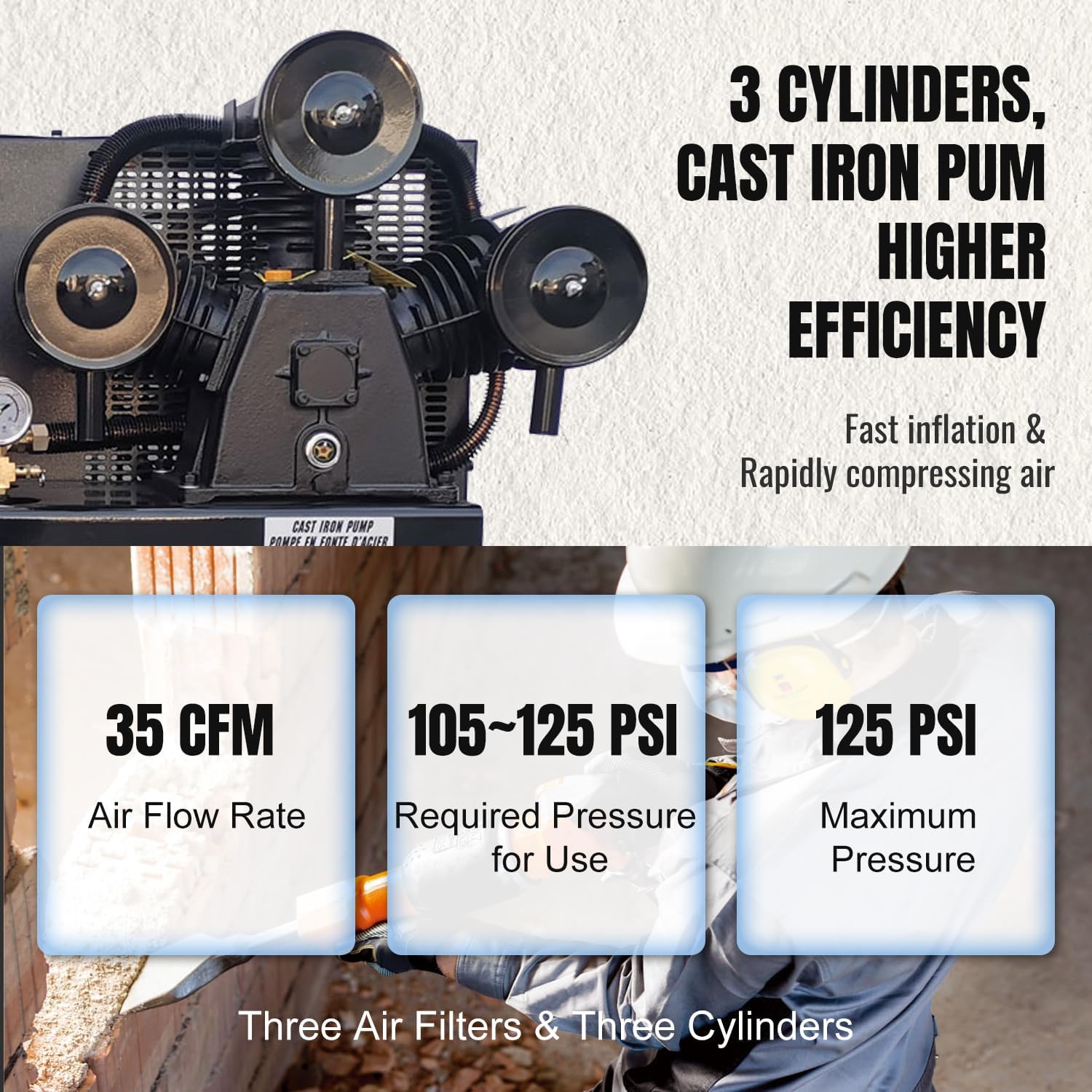
Image 4.2: Three-cylinder cast iron pump detail, highlighting efficiency.
The 30-gallon tank is ASME certified for safety, and the gasoline engine is EPA compliant, emphasizing energy efficiency.
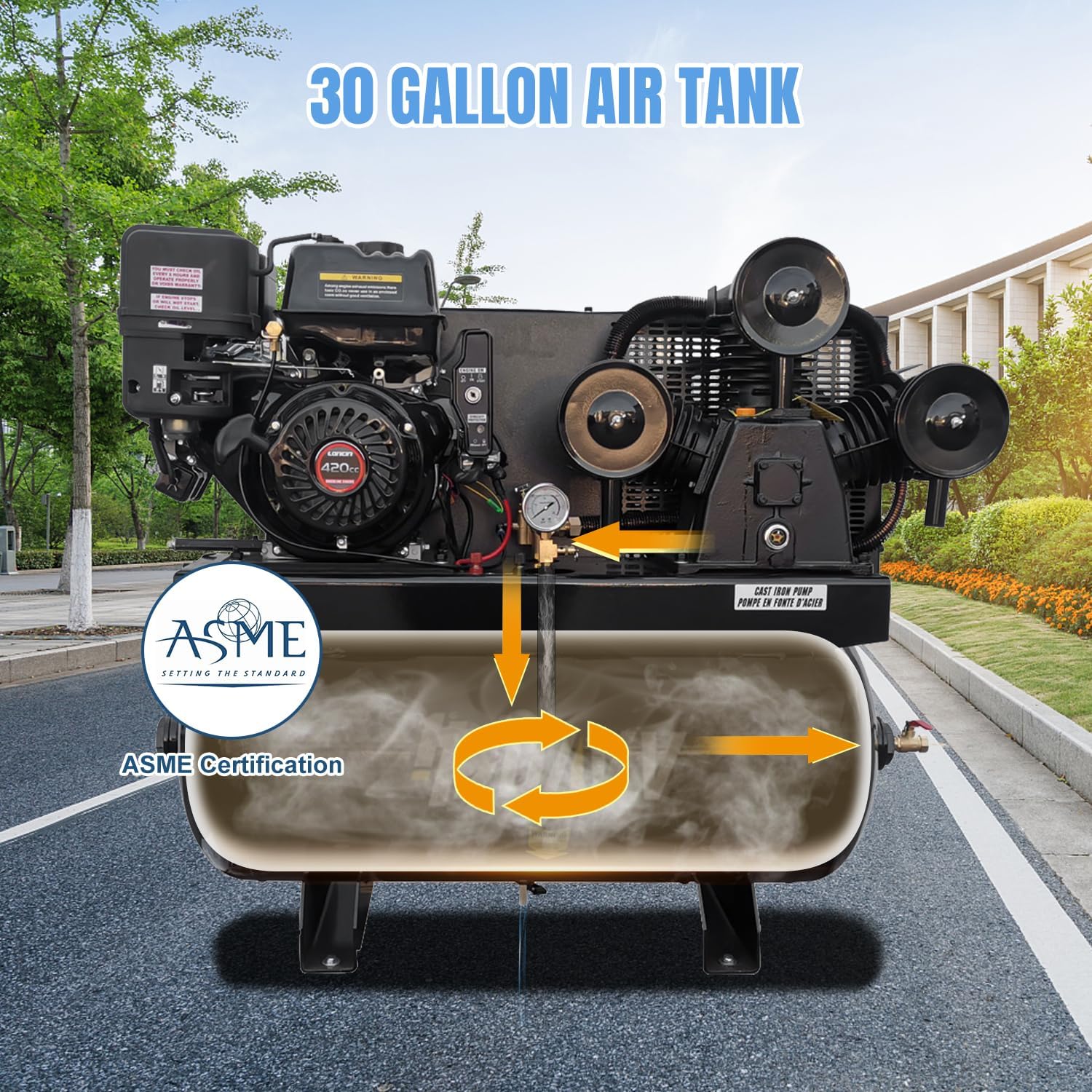
Image 4.3: ASME certified 30-gallon air tank with internal airflow illustration.
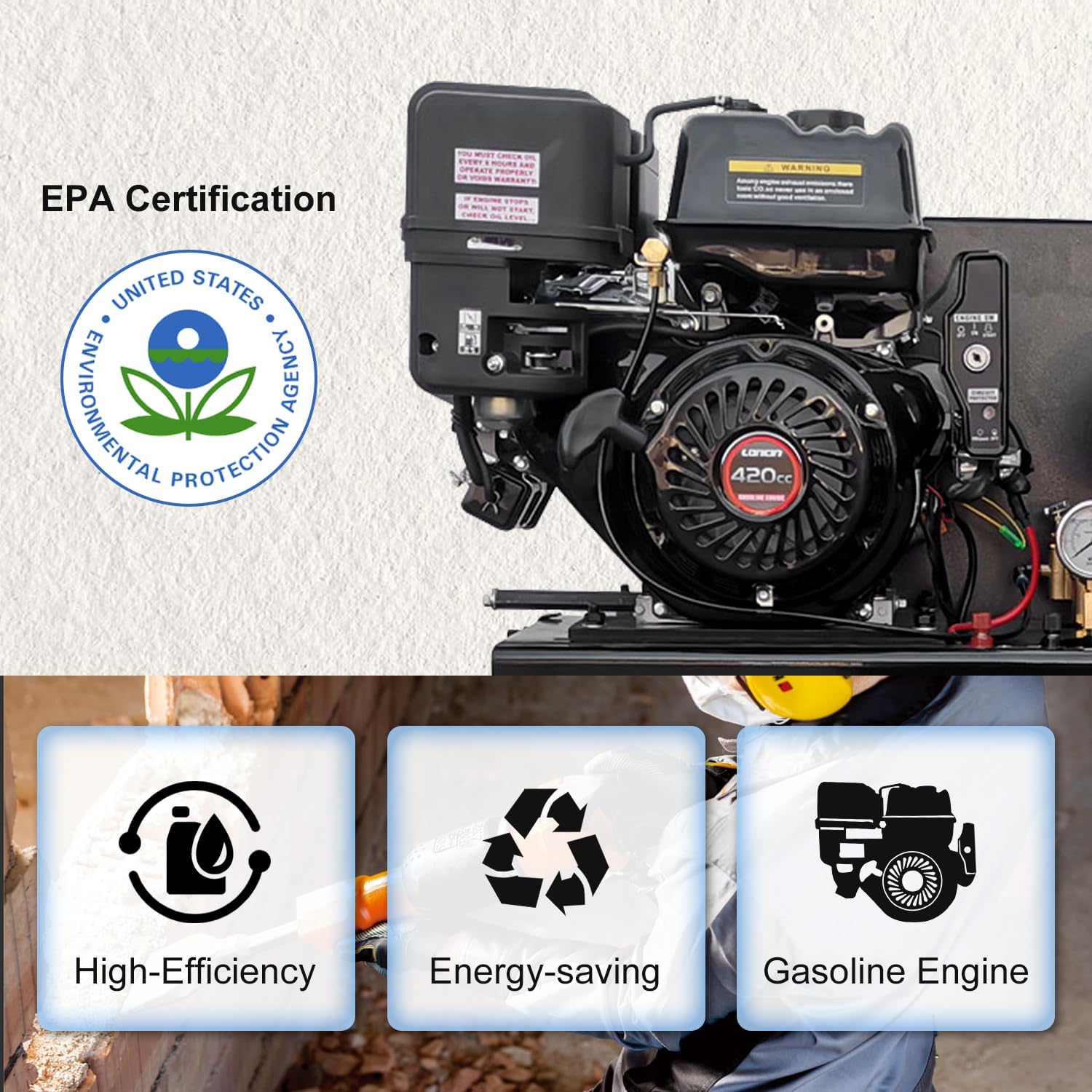
Image 4.4: EPA certified gasoline engine, emphasizing efficiency and energy saving.
5. Setup
Follow these steps to prepare your air compressor for initial use.
- Unpacking: Carefully remove the compressor from its packaging. Inspect for any shipping damage. Report any damage to the carrier immediately.
- Placement: Position the compressor on a firm, level surface in a well-ventilated area. Ensure there is adequate space around the unit for air circulation and maintenance access.
- Oil Fill: The compressor pump may be shipped without oil or with shipping oil. Refer to the engine and pump manuals for specific oil requirements and fill procedures. Ensure the oil level is correct before starting.
- Fueling: Fill the gasoline engine fuel tank with the appropriate fuel type (refer to engine manual). Do not overfill. Ensure the engine is off and cool before fueling.
- Battery Connection (for Electric Start): If using the electric start feature, connect a compatible 12V battery (not included) to the battery terminals. Ensure correct polarity (positive to positive, negative to negative).
- Air Filter Installation: Ensure all air filters are securely installed on the compressor pump.
- Check Connections: Verify all hoses, valves, and fittings are securely tightened.
6. Operating Instructions
This section outlines the general steps for operating your HPDMC air compressor. Always refer to the engine manufacturer's manual for specific starting procedures.
6.1 Starting the Compressor
- Pre-Start Checks:
- Check engine oil level.
- Check compressor pump oil level.
- Ensure fuel tank is adequately filled.
- Verify all connections are secure.
- Close the tank drain valve.
- Engine Start:
- Set the engine switch to "ON".
- Open the fuel valve.
- Apply choke if starting a cold engine.
- Manual Start: Pull the recoil starter handle firmly until the engine starts.
- Electric Start: Turn the ignition key (if equipped) or press the start button.
- Once the engine starts, gradually open the choke (if used).
- Pressure Build-up: Allow the compressor to run until the tank pressure reaches the desired level or the maximum operating pressure of 125 PSI. The pressure switch will automatically stop the engine when maximum pressure is reached.
6.2 Using Air Tools
- Connect your air hose to the air outlet valve.
- Attach the desired air tool to the hose.
- Adjust the air pressure regulator (if present) to the recommended pressure for your tool.
- Begin operation. The compressor will cycle on and off automatically to maintain tank pressure.
6.3 Shutting Down the Compressor
- Turn off the engine using the engine switch or ignition key.
- Close the fuel valve.
- Slowly open the air outlet valve to release all air pressure from the tank.
- Open the drain valve at the bottom of the tank to drain any accumulated condensation. Close the drain valve after draining.
The HPDMC compressor is designed for versatile applications, including long-distance outdoor use, tire inflation, and powering tools at construction sites.

Image 6.1: Compressor positioned for long-distance outdoor use.

Image 6.2: Various applications of the air compressor, including construction and inflation tasks.
7. Maintenance
Regular maintenance is crucial for the longevity and optimal performance of your air compressor. Always ensure the compressor is off, depressurized, and cooled before performing any maintenance.
- Daily:
- Drain condensation from the air tank.
- Check engine oil level.
- Check compressor pump oil level.
- Inspect for any visible leaks or damage.
- Weekly/Every 20 Hours of Operation:
- Clean or replace air filters.
- Inspect drive belt tension and condition.
- Check for loose fasteners.
- Monthly/Every 50 Hours of Operation:
- Change compressor pump oil. Use recommended compressor oil.
- Inspect and clean spark plug (refer to engine manual).
- Inspect fuel filter (refer to engine manual).
- Annually/Every 200 Hours of Operation:
- Replace engine oil (refer to engine manual).
- Inspect and clean cooling fins on the pump and engine.
- Have the pressure relief valve checked by a qualified technician.
IMPORTANT: Always use genuine HPDMC replacement parts or equivalent quality parts for maintenance to ensure proper function and safety.
8. Troubleshooting
This section provides solutions to common issues you might encounter with your air compressor. For problems not listed here, contact customer support.
| Problem | Possible Cause | Solution |
|---|---|---|
| Engine will not start | No fuel; Engine switch OFF; Choke not set; Spark plug issue; Battery low (electric start) | Add fuel; Turn engine switch ON; Adjust choke; Inspect/replace spark plug; Charge/replace battery |
| Compressor runs continuously | Air leak in system; Pressure switch malfunction; Tank drain valve open | Check for leaks and tighten connections; Inspect/replace pressure switch; Close drain valve |
| Low air pressure/slow pressure build-up | Clogged air filter; Air leak; Worn piston rings; Incorrect engine RPM | Clean/replace air filter; Check for leaks; Consult service technician; Adjust engine throttle |
| Excessive noise or vibration | Loose components; Worn bearings; Insufficient oil; Unbalanced placement | Tighten all fasteners; Consult service technician; Check/add oil; Place on level surface |
| Oil in discharge air | Overfilled oil; Worn piston rings/seals | Drain excess oil; Consult service technician for pump repair |
9. Warranty and Support
For warranty information, technical assistance, or to purchase replacement parts, please contact HPDMC customer support.
- Customer Support: Refer to the contact information provided with your purchase or visit the official HPDMC website.
- Protection Plans: Extended protection plans may be available for your product. Please refer to your purchase documentation for details on available plans, such as the 4-Year Protection Plan.
- Non-Returnable Item: Please note that this item may be subject to hazardous materials regulations and may be non-returnable. Review the return policy at the point of purchase.
When contacting support, please have your model number (13hp/125psi/44cfm/30gal) and item model number (0316a8b8-f5a7-4525-afba-9ce295566696) ready for faster service.