
B0BNNGJRN9
Wisteria Plant Live Tree User Manual
Model: B0BNNGJRN9
Introduction to Your Wisteria Plant
This manual provides essential information for the successful planting, care, and maintenance of your Purple Chinese Wisteria Vine. Wisteria is a beautiful, vigorous climbing plant known for its stunning cascades of fragrant purple flowers in spring. With proper care, your wisteria will thrive and become a magnificent addition to your garden.
Product Overview
The Wisteria Plant Live Tree is a young, live specimen of the Purple Chinese Wisteria Vine, typically 6 to 12 inches tall upon arrival. This plant is designed for garden cultivation and will grow into a large, woody vine capable of covering pergolas, arbors, or walls.

Figure 1: A mature Wisteria tree showcasing its characteristic cascading purple blooms in a landscaped garden.
Specifications
| Attribute | Detail |
|---|---|
| Brand | Generic |
| Plant Type | Purple Chinese Wisteria Vine |
| Sunlight Exposure | Full Sun, Partial Shade |
| USDA Hardiness Zone | 3 |
| Soil Type | Loam Soil |
| Moisture Needs | Moderate Watering |
| Unit Count | 1.0 Count |
| Model (ASIN) | B0BNNGJRN9 |
Setup: Planting and Initial Care
Proper planting is crucial for the establishment and long-term health of your wisteria. Choose a location carefully, as wisteria can become very large and long-lived.
Site Selection:
- Sunlight: Wisteria thrives in full sun (at least 6 hours of direct sunlight per day). It can tolerate partial shade, but flowering may be reduced.
- Soil: Prefers well-draining loam soil. Avoid heavy clay or excessively sandy soils. Amend poor soil with compost to improve drainage and fertility.
- Support Structure: Wisteria is a vigorous climber and requires a strong support structure such as a sturdy pergola, arbor, fence, or wall with wires. Ensure the structure can bear the weight of a mature plant.
Planting Steps:
- Prepare the Hole: Dig a hole twice as wide as the root ball and just as deep.
- Remove from Container: Gently remove the wisteria plant from its nursery container. Loosen any circling roots at the bottom.
- Position the Plant: Place the plant in the center of the hole, ensuring the top of the root ball is level with or slightly above the surrounding soil.
- Backfill: Backfill the hole with the excavated soil, gently tamping to remove air pockets.
- Water Thoroughly: Water immediately and deeply after planting to settle the soil.
- Mulch: Apply a 2-3 inch layer of organic mulch (e.g., wood chips, shredded bark) around the base of the plant, keeping it a few inches away from the stem. This helps retain moisture and suppress weeds.

Figure 2: Wisteria trained to grow over a sturdy pergola, demonstrating the need for robust support structures.
Operating: Ongoing Care and Growth
Once established, wisteria requires consistent care to ensure healthy growth and abundant flowering.
Watering:
Maintain moderate watering. Young plants need consistent moisture, especially during dry periods. Mature plants are more drought-tolerant but benefit from deep watering during prolonged dry spells.
Training:
Guide young shoots onto your chosen support structure. Wisteria vines twine, so ensure they have something to wrap around. Regular training in the early years helps establish the desired shape and coverage.

Figure 3: Wisteria vigorously climbing and flowering on a building, illustrating its strong climbing habit.
Maintenance
Pruning:
Pruning is essential for controlling wisteria's vigorous growth and promoting flowering. It should be done twice a year:
- Summer Pruning (July/August): Cut back long, whippy green shoots to about 5-6 leaves from the main stem or framework. This encourages the development of flowering spurs.
- Winter Pruning (January/February): Further shorten the same shoots to 2-3 buds from the main stem or framework. This prepares the plant for spring flowering.
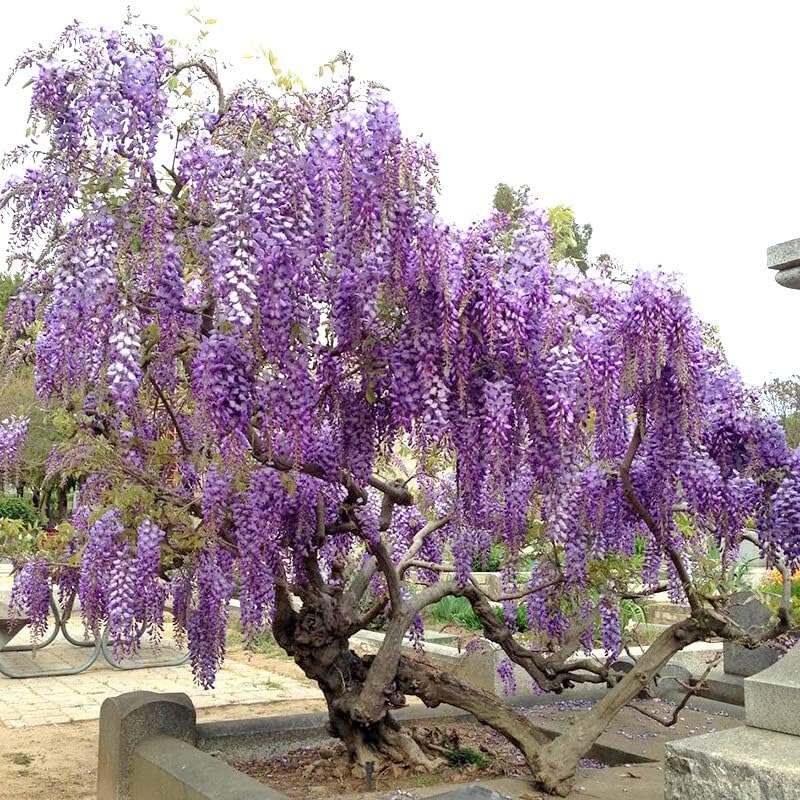
Figure 4: A mature Wisteria plant with a well-developed trunk and branches, a result of consistent pruning and care.
Fertilization:
Wisteria generally does not require heavy fertilization. If growth is poor, apply a balanced, low-nitrogen fertilizer in early spring. Too much nitrogen can promote leafy growth at the expense of flowers.
Troubleshooting
- No Flowers:
- Maturity: Young wisteria plants can take several years (3-5 or more) to start flowering. Be patient.
- Sunlight: Ensure the plant receives at least 6 hours of direct sun daily.
- Pruning: Incorrect pruning (e.g., cutting off flowering spurs) is a common cause. Follow the summer and winter pruning guidelines.
- Fertilizer: Too much nitrogen can inhibit flowering. Use a low-nitrogen fertilizer if needed.
- Yellowing Leaves (Chlorosis):
- Often indicates an iron deficiency, especially in alkaline soils. Apply an iron supplement or acidify the soil.
- Pests:
- Wisteria is generally pest-resistant. Occasionally, aphids or scale insects may appear. Treat with insecticidal soap or horticultural oil as needed.
Warranty and Support
Specific warranty information for this Generic brand Wisteria Plant is not provided in the product details. For any issues or questions regarding your plant, please refer to the seller's return policy or contact the retailer from whom you purchased the product. General gardening resources and local nurseries can also provide valuable support for plant care.
Ask a question about this manual
Ask about setup, troubleshooting, compatibility, parts, safety, or missing instructions. Manuals+ will review the question and use this page’s manual context to help answer it.