
1. Introduction
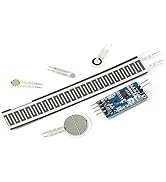
This manual provides detailed instructions for the JESSINIE RP-L Film Pressure Sensor, Model 74896. This flexible resistive film pressure sensor is designed for various applications requiring precise pressure detection. Please read this manual thoroughly before use to ensure proper installation and operation.
2. Product Overview
The JESSINIE RP-L Film Pressure Sensor is a versatile component capable of detecting static and dynamic pressure. Its flexible design allows for integration into various systems. Key features include:
- Trigger Force: Less than 20g, with a default resistance value less than 200kΩ upon trigger.
- Pressure Sensing Range: 20g to 10kg or more.
- Pressure Mode: Static or dynamic (frequency within 10Hz).
- Resistance (Untriggered): Greater than 10MΩ.
- Activation Time: Less than 0.01 seconds.
- Operating Temperature: -40 ℃ to 85 ℃.
- Durability: Over 1 million cycles.
Common applications include in-bed/off-bed monitoring, sleep state monitoring, intelligent running shoes for pressure intensity and frequency recording, intelligent switches to prevent misoperation, and counters for pressure events.
Product Images


3. Specifications
| Feature | Specification |
|---|---|
| Brand | JESSINIE |
| Model Number | 74896 |
| Included Components | 2 pressure sensors |
| Trigger Force | < 20g (resistance < 200kΩ) |
| Pressure Sensing Range | 20g ~ 10kg+ |
| Pressure Mode | Static or Dynamic (frequency within 10Hz) |
| Resistance (Untriggered) | > 10MΩ |
| Activation Time | < 0.01S |
| Operating Temperature | -40 ℃ ~ 85 ℃ |
| Durability | > 1 million times |
4. Setup
The RP-L Film Pressure Sensor is a resistive sensor, meaning its resistance changes in response to applied pressure. To set up the sensor for use, follow these general steps:
- Identify Connection Points: The sensor has two conductive pins at one end. These are the terminals for connecting the sensor to your circuit.
- Prepare Your Circuit: Typically, this sensor is used in a voltage divider configuration with a fixed resistor to convert the resistance change into a measurable voltage change. Connect one sensor pin to a voltage source (e.g., 3.3V or 5V) and the other pin to one end of a pull-down resistor (e.g., 10kΩ). Connect the other end of the pull-down resistor to ground. The output voltage can be read from the point between the sensor and the pull-down resistor.
- Connect to Microcontroller (Optional): If using a microcontroller (like Arduino, ESP32, etc.), connect the output voltage from the voltage divider to an analog input pin on your microcontroller.
- Secure the Sensor: Place the flexible sensor in the desired location where pressure is to be detected. Ensure it is flat and free from kinks or sharp bends that could damage the film.
- Initial Testing: Before applying pressure, measure the resistance across the sensor pins (or the output voltage from your voltage divider) to establish a baseline (untriggered state).
Note: Avoid excessive bending or creasing of the sensor, as this may affect its performance or lead to damage.
Setup and Testing Videos
5. Operating Instructions
Once the sensor is correctly wired and integrated into your system, its operation is based on the principle of variable resistance:
- No Pressure: In its default state, with no pressure applied, the sensor exhibits a very high resistance (typically > 10MΩ).
- Pressure Application: When pressure is applied to the active sensing area of the film, the resistance of the sensor decreases. The greater the pressure, the lower the resistance.
- Signal Interpretation:
- If using a voltage divider, increased pressure will lead to a higher output voltage.
- If measuring resistance directly, increased pressure will show a decrease in resistance.
- Calibration: For precise measurements, it is recommended to calibrate the sensor by applying known weights or forces and recording the corresponding resistance or voltage outputs. This allows you to create a mapping between the sensor's output and the actual pressure applied.
- Dynamic Sensing: The sensor can respond to dynamic pressure changes up to 10Hz, making it suitable for detecting rapid force variations.
Ensure the pressure is applied evenly across the sensing area for consistent readings. Avoid point loads that could damage the sensor film.
6. Maintenance
The JESSINIE RP-L Film Pressure Sensor is designed for durability, but proper care can extend its lifespan and ensure consistent performance:
- Handling: Handle the sensor by its edges or non-sensing areas to avoid damaging the active film.
- Storage: Store the sensors flat or gently rolled, avoiding sharp creases or folds. Keep them in a dry, room-temperature environment, away from direct sunlight and extreme temperatures.
- Cleaning: If necessary, gently wipe the sensor surface with a soft, dry, lint-free cloth. Do not use abrasive cleaners or solvents.
- Environmental Conditions: Operate and store the sensor within the specified operating temperature range (-40 ℃ to 85 ℃) and avoid exposure to corrosive chemicals or excessive moisture.
- Connection Integrity: Periodically check the electrical connections for any signs of corrosion or loose wiring, especially if the sensor is in a high-vibration environment.
7. Troubleshooting
If you encounter issues with your RP-L Film Pressure Sensor, refer to the following troubleshooting guide:
| Problem | Possible Cause | Solution |
|---|---|---|
| No change in resistance/voltage when pressure is applied. |
|
|
| Inconsistent or erratic readings. |
|
|
| Sensor resistance is always low (short circuit). |
|
|
| Sensor resistance is always high (open circuit). |
|
|
8. Warranty and Support
JESSINIE products are manufactured to high-quality standards. While specific warranty details are not provided in this manual, please refer to the retailer's return policy or contact JESSINIE customer support for information regarding warranty coverage and technical assistance.
For further support or inquiries, please visit the official JESSINIE store or contact their customer service department.
JESSINIE Store: https://www.amazon.com/stores/JESSINIE/page/9B68426E-B20E-47C0-A393-C600996A2462