
1. Introduction
This manual provides essential information for the installation, operation, and maintenance of your NPAUTO 315MHz Tire Pressure Monitoring System (TPMS) sensors. These sensors are designed to replace original equipment (OE) sensors, ensuring accurate tire pressure monitoring for enhanced driving safety. This package includes a set of four TPMS sensors.
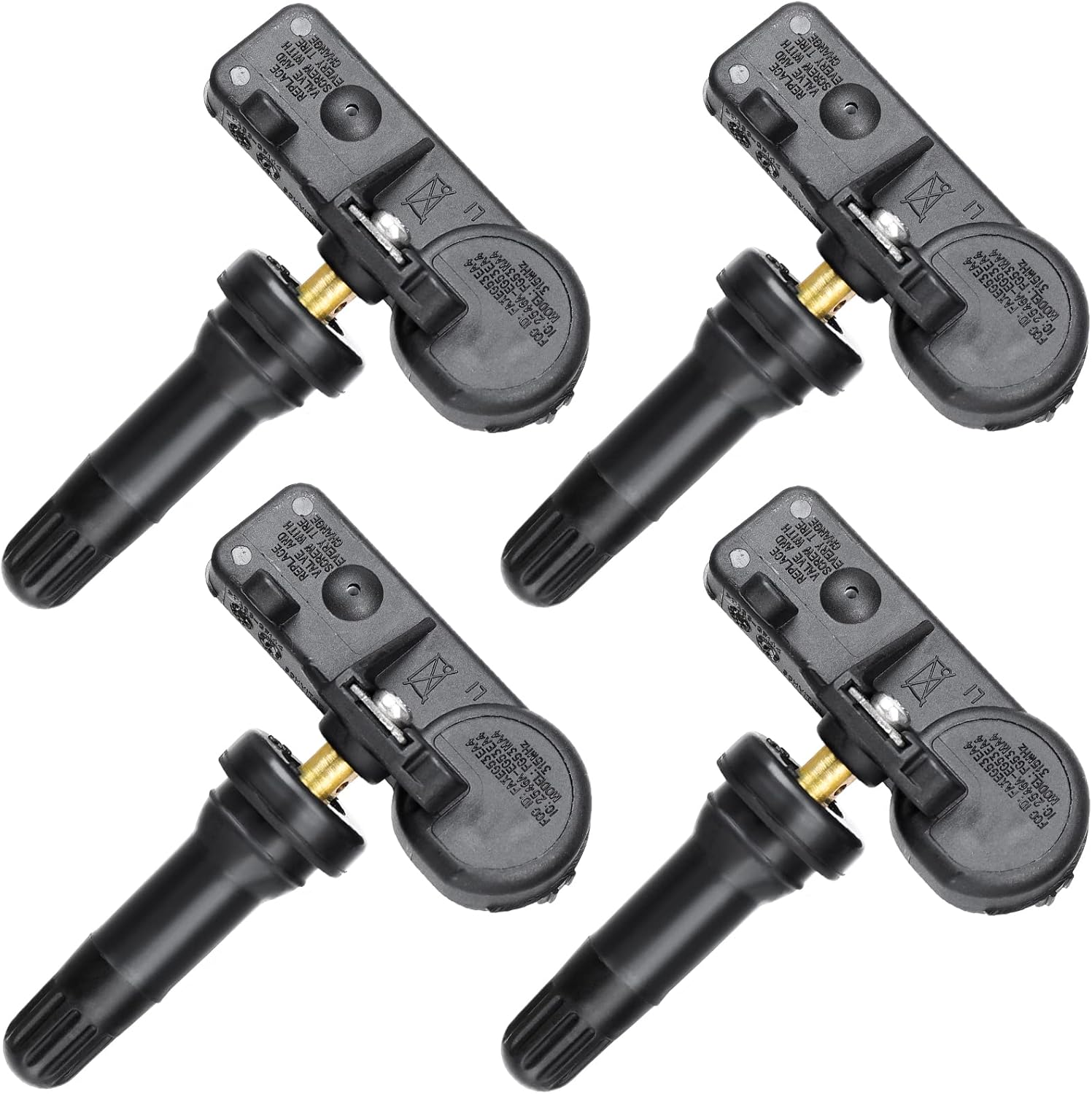
Image 1.1: Four NPAUTO TPMS sensors included in the package.
2. Compatibility
These NPAUTO TPMS sensors are engineered to match the fit and appearance of factory original tire sensors for specific vehicle models. Please verify compatibility with your vehicle before installation.
Compatible with various models including:
- Ford: F150 (2006-2008), Explorer (2006-2010), Mustang (2005-2009), Ranger (2006-2011), Escape (2005-2008), Expedition/Edge (2007-2010), Focus (2007-2009), Crown Victoria (2006-2011), Flex (2009-2010), Five Hundred (2006-2007), Freestar (2006-2007), Fusion (2006-2009), Taurus (2008-2010).
- Lincoln: Mark LT (2007-2008), MKS (2009-2010), MKX (2007-2010), MKZ (2007-2009), Navigator (2007-2010), Town Car (2006-2011), Zephyr (2006).
- Mercury: Grand Marquis (2006-2011), Mariner (2005-2008), Milan (2006-2007), Montego (2006-2007), Monterey (2006-2007), Mountaineer (2006-2009), Sable (2008-2009).
- Mazda: B-Series (2300, 3000, 4000) (2007-2011), Tribute (2006-2008).
Note: Always cross-reference with your vehicle's year, make, and model to confirm compatibility.

Image 2.1: Visual compatibility chart for various vehicle brands and models.
3. Product Features
The NPAUTO TPMS sensors are designed with advanced features for reliable performance:
- High-Tech Intelligent Chip: Ensures correct reading and lossless signal transmission.
- Powerful Battery: Provides a long operating life (≥5 years).
- Stable Structure: Minimizes electromagnetic interference for consistent performance.
- All-Weather Rubber Snap-in Valve Stem: Designed for rust resistance and enhanced durability.
- OE-Like Design: Guarantees structural reliability, durability, and safety, matching original equipment standards.

Image 3.1: Exploded view of the TPMS sensor highlighting key components like the intelligent chip, battery, and rubber stem.
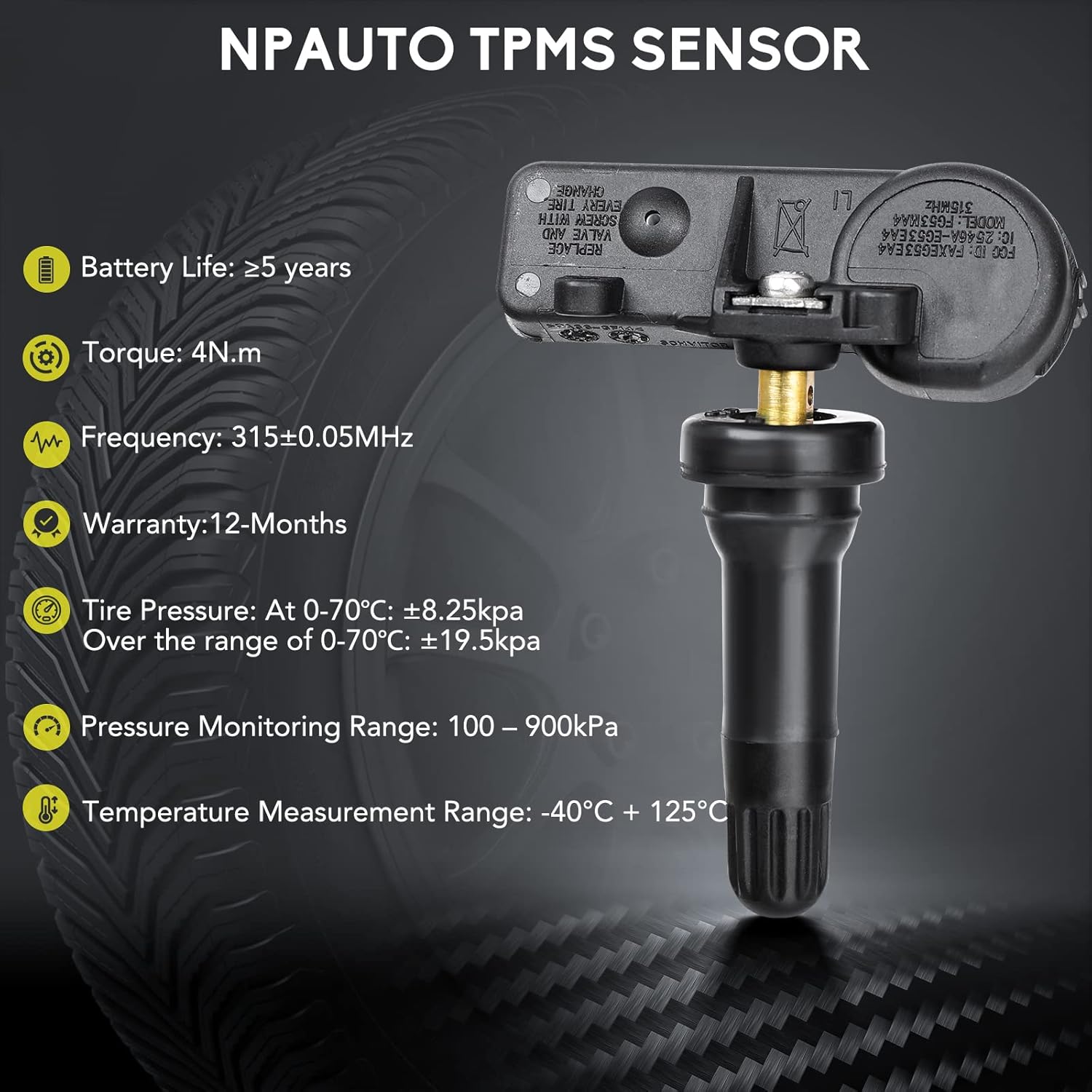
Image 3.2: Technical specifications including battery life, torque, frequency, and pressure/temperature ranges.
4. Setup and Installation
Installation of TPMS sensors typically requires specialized tools and knowledge. Professional installation is recommended. The general steps are as follows:
- Remove the Tire: Safely lift the vehicle and remove the wheel assembly.
- Deflate Tire and Break Bead: Remove the valve core to quickly drain air. Use a tire machine or appropriate method to break the tire bead from the rim.
- Remove Old Sensor: Carefully remove the existing TPMS sensor from the wheel. If it's a band-type sensor, locate and remove the C-clip. For stem-type sensors, use a stem removal tool.
- Clean Stem Hole: Ensure the valve stem hole on the rim is clean and free of debris.
- Install New Sensor: Insert the new NPAUTO TPMS sensor into the valve stem hole. Ensure it is properly seated and secured.
- Inflate and Rebalance: Inflate the tire to the manufacturer's recommended pressure. Rebalance the wheel assembly to prevent vibrations.
- Reinstall Wheel: Mount the wheel assembly back onto the vehicle.

Image 4.1: Visual guide illustrating the installation process, from removing the tire cap to adjusting balance.
5. Operating and Relearn Process
These NPAUTO TPMS sensors are pre-programmed and do not require initial programming. However, a relearn procedure is necessary for your vehicle's system to recognize and pair with the new sensors after replacement. This process typically requires a TPMS scanner tool.
General Relearn Steps (may vary by vehicle model):
- Enter Vehicle Relearn Mode: Consult your vehicle's owner's manual or an automotive service guide for specific instructions on how to put your vehicle into TPMS relearn mode. This often involves a sequence of key turns and brake pedal presses.
- Activate Sensors: Using a compatible TPMS scanner tool, activate each new sensor individually, following the vehicle's specified order (e.g., front left, front right, rear right, rear left). Hold the tool near the valve stem until the vehicle's horn honks, indicating successful activation of that sensor.
- Confirm Relearn: Once all sensors are activated, the vehicle's TPMS light should turn off, confirming that the sensors have been successfully paired.
If the TPMS light remains on after the relearn procedure, refer to the troubleshooting section or seek professional assistance.

Image 5.1: Example of a vehicle dashboard displaying real-time tire pressure and temperature data after successful sensor operation.
6. Maintenance
To ensure optimal performance and longevity of your NPAUTO TPMS sensors:
- Regular Tire Pressure Checks: Even with TPMS, it is good practice to manually check your tire pressure periodically with a reliable gauge.
- Sensor Inspection: During tire rotations or replacements, have the TPMS sensors inspected for any signs of damage or corrosion. The all-weather rubber stem is designed to resist rust, but external damage can occur.
- Battery Life: The sensors are equipped with a powerful battery designed for a life of 5 years or more. When the battery depletes, the entire sensor typically needs replacement.
7. Troubleshooting
If you encounter issues with your TPMS sensors, consider the following:
- TPMS Warning Light Remains On: If the TPMS warning light stays illuminated after sensor installation, it typically indicates that the sensors have not been successfully paired with the vehicle's system. Perform the relearn procedure as described in Section 5.
- Incorrect Pressure Readings: Ensure tires are inflated to the correct pressure. If readings are still inaccurate, re-attempt the relearn process. If the issue persists, the sensor may be faulty or damaged.
- Intermittent Warnings: This could indicate a weak sensor battery or intermittent signal interference.
If troubleshooting steps do not resolve the issue, contact NPAUTO customer support or a certified automotive technician.
8. Specifications
| Part Numbers | 6F2Z-1A189-A, 7L1Z-1A189-A, 6F2Z1A15, 6F2A1A176AE, 6F2T1A150AE, ZZDA37140 |
| Frequency | 315MHz |
| Battery Life | ≥5 years (1 Lithium Metal battery included) |
| Torque | 4N.m |
| Tire Pressure Accuracy (0-70°C) | ±8.25kPa |
| Tire Pressure Accuracy (Over 0-70°C) | ±19.5kPa |
| Pressure Monitoring Range | 100 – 900kPa |
| Temperature Measurement Range | -40°C to +125°C |
| Material | Rubber |
| Mounting Type | Flange Mount |
| Item Weight | 1.44 ounces (0.04 Kilograms) |
| Package Dimensions | 3.66 x 3.54 x 2.44 inches |

Image 8.1: Dimensions of the NPAUTO TPMS sensor (2.28 inches width, 2.75 inches total height, 1.90 inches stem height).
9. Warranty and Support
NPAUTO provides a 12-month warranty for these TPMS sensors and offers lifetime support. If you encounter any issues or have questions regarding the product, please do not hesitate to contact NPAUTO customer service. Our team is available to assist you with any concerns.
For support, please refer to the contact information provided with your purchase or visit the official NPAUTO website.