
1. Introduction and Safety Guidelines
This manual provides essential information for the safe and effective operation, maintenance, and troubleshooting of your VGAGV HBLD3-D Electric Wheelchair. Please read this manual thoroughly before using the wheelchair to ensure proper function and user safety.
1.1 General Safety Warnings
- Always consult with a healthcare professional or therapist before using any mobility device.
- Ensure all components are securely fastened and in good working order before each use.
- Do not exceed the maximum weight capacity of 100 kg (220 lbs).
- Avoid operating the wheelchair on steep inclines, uneven terrain, or wet surfaces that may compromise stability.
- Keep hands and clothing clear of moving parts, especially wheels and motors.
- Always use the seat belt provided.
- Store the wheelchair in a dry, safe place away from extreme temperatures.
2. Product Overview
The VGAGV HBLD3-D is a portable and comfortable electric wheelchair designed for ease of use and transport. It features a lightweight aluminum frame, dual motor drive, and a lithium battery for extended range.

Figure 2.1: Overall view of the VGAGV HBLD3-D Electric Wheelchair.
2.1 Main Components

Figure 2.2: Labeled diagram showing key components including the controller, grip handle, armrest, cushion, handbrake, lithium battery, dual motor, 12-inch rear wheel, 8-inch front wheel, and pedal.
- Controller: Intelligent universal controller for speed and direction.
- Grip Handles: For manual pushing or assistance.
- Armrests: Provide support and comfort, adjustable height.
- Cushion: Detachable, breathable honeycomb design for comfort and easy cleaning.
- Handbrake: Additional braking mechanism for safety.
- Lithium Battery: 12AH24V for extended range.
- Dual Motors: Provide powerful and efficient drive.
- Wheels: 8-inch pneumatic front wheels and 12-inch pneumatic rear wheels for various terrains.
- Pedals: Footrests for user comfort.
3. Setup
3.1 Unpacking and Initial Inspection
- Carefully remove the wheelchair from its packaging.
- Inspect all components for any signs of damage during shipping. If any damage is found, do not use the wheelchair and contact your supplier immediately.
- Ensure all parts listed in the packing list are present.
3.2 Unfolding the Wheelchair
The VGAGV HBLD3-D is designed for quick and easy folding and unfolding.

Figure 3.1: The wheelchair can be easily folded for transport, demonstrating its lightweight aluminum frame.
- Place the folded wheelchair on a flat, stable surface.
- Grasp the frame and gently pull the sides apart until the wheelchair is fully extended.
- Ensure the seat is properly seated and locked into position.
- Lower the backrest and ensure it is securely latched.
- Adjust the footrests to the desired position.
4. Operating Instructions
4.1 Powering On/Off
- To power on: Press the power button on the controller. The indicator lights will illuminate.
- To power off: Press and hold the power button until the indicator lights turn off.
4.2 Driving
- Speed Adjustment: Use the speed control buttons on the controller to select one of the three available speed settings (0-6 km/h). Start with the lowest speed until you are comfortable with the controls.
- Direction Control: Gently push the joystick in the desired direction (forward, backward, left, right). The wheelchair will move in response to the joystick's movement.
- Stopping: Release the joystick to its neutral position. The electromagnetic brakes will automatically engage, bringing the wheelchair to a stop.

Figure 4.1: The handrail height is adjustable for ergonomic comfort, and the wheelchair features three-speed adjustment.
4.3 Braking Systems
The wheelchair is equipped with multiple braking systems for enhanced safety.
- Electromagnetic Brake: Engages automatically when the joystick is released, providing a smooth and secure stop.
- Handbrake: A manual brake located on the grip handle, used for additional security when parked or on an incline.
- Controller Ramp Induction Brake: Provides additional braking support when navigating inclines, ensuring stability.
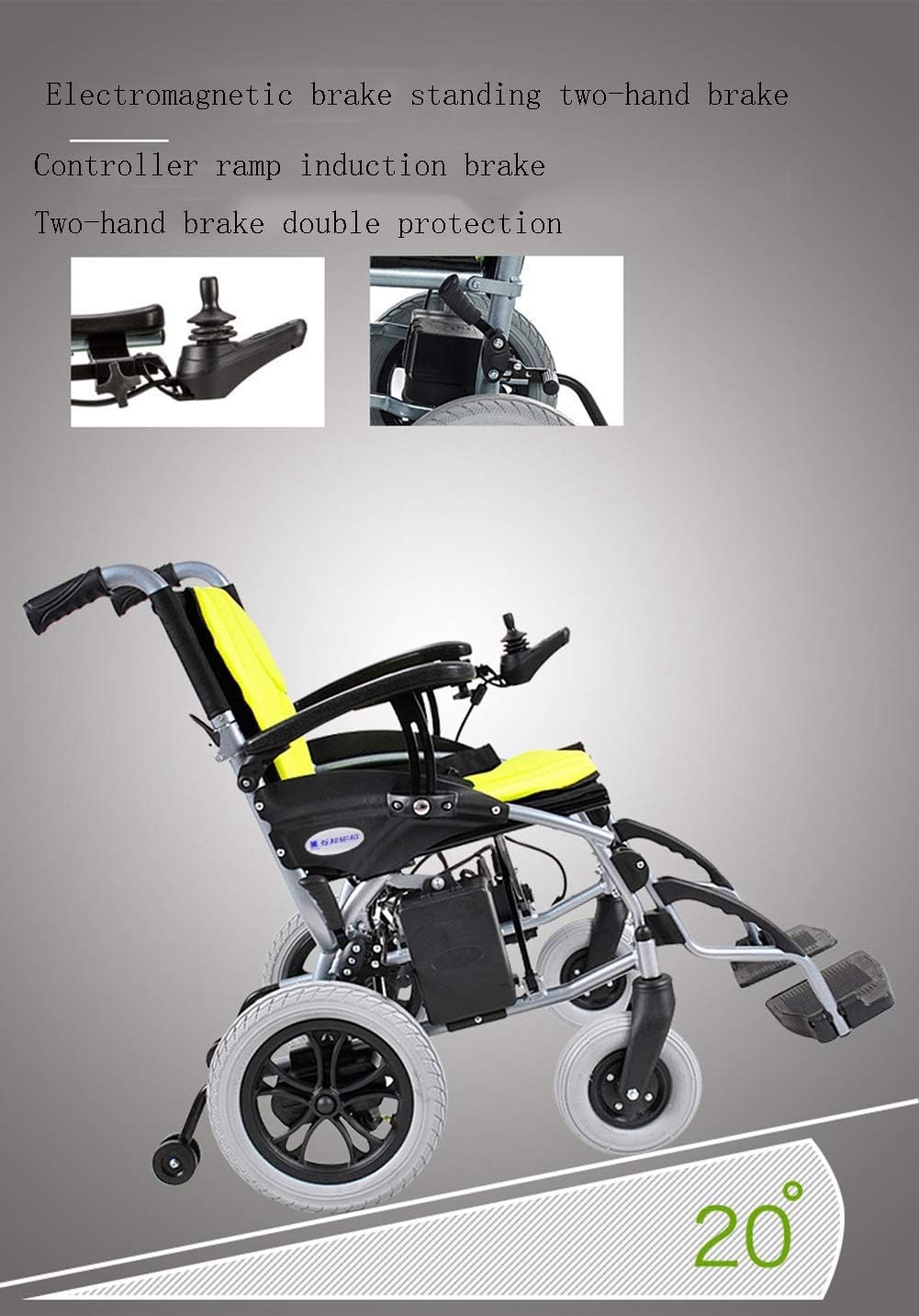
Figure 4.2: Details of the electromagnetic brake and handbrake, highlighting the wheelchair's ability to handle inclines up to 20 degrees.
5. Battery Management
The wheelchair is powered by a 12AH24V lithium battery, offering a range of approximately 20 km on a full charge.
5.1 Charging the Battery
- Ensure the wheelchair is powered off before charging.
- Locate the charging port on the battery pack.
- Connect the charger to the charging port, then plug the charger into a standard electrical outlet.
- The charger indicator light will typically show red during charging and turn green when fully charged.
- Do not overcharge the battery. Disconnect the charger once charging is complete.
5.2 Battery Care and Storage
- Charge the battery regularly, even if the wheelchair is not in frequent use, to maintain battery health.
- Avoid completely draining the battery before recharging.
- Store the battery in a cool, dry place.
- If storing the wheelchair for an extended period, ensure the battery is charged to approximately 50-70% and recharge every few months.
6. Maintenance
6.1 Cleaning
- Frame: Wipe the aluminum frame with a damp cloth and mild detergent. Avoid abrasive cleaners.
- Cushion: The detachable cushion features a honeycomb design for breathability and is easy to remove and wash. Follow the care instructions on the cushion label.

Figure 6.1: The detachable cushion design allows for easy removal and cleaning.
6.2 Tires
- Regularly check the pneumatic tires for proper inflation. Refer to the tire sidewall for recommended pressure.
- Inspect tires for wear, punctures, or damage. Replace worn or damaged tires promptly.
6.3 General Inspection
- Periodically check all nuts, bolts, and fasteners to ensure they are tight.
- Inspect electrical cables and connections for any signs of wear or damage.
- Ensure the brakes are functioning correctly.
7. Troubleshooting
This section addresses common issues you might encounter with your electric wheelchair. For problems not listed here, or if solutions do not resolve the issue, please contact customer support.
| Problem | Possible Cause | Solution |
|---|---|---|
| Wheelchair does not power on. | Battery is discharged or not connected. Power button not pressed correctly. | Charge the battery. Ensure battery is properly connected. Press power button firmly. |
| Wheelchair moves slowly or erratically. | Low battery charge. Speed setting too low. Obstruction in wheels. | Charge the battery. Increase speed setting. Check wheels for debris. |
| Brakes are not engaging properly. | Joystick not in neutral position. Handbrake engaged. | Release joystick to neutral. Disengage handbrake. If issue persists, contact support. |
| Unusual noises during operation. | Loose components. Debris in wheels/motors. | Inspect for loose parts and tighten. Clean wheels and check for obstructions. |
8. Specifications
The following table details the technical specifications of the VGAGV HBLD3-D Electric Wheelchair.
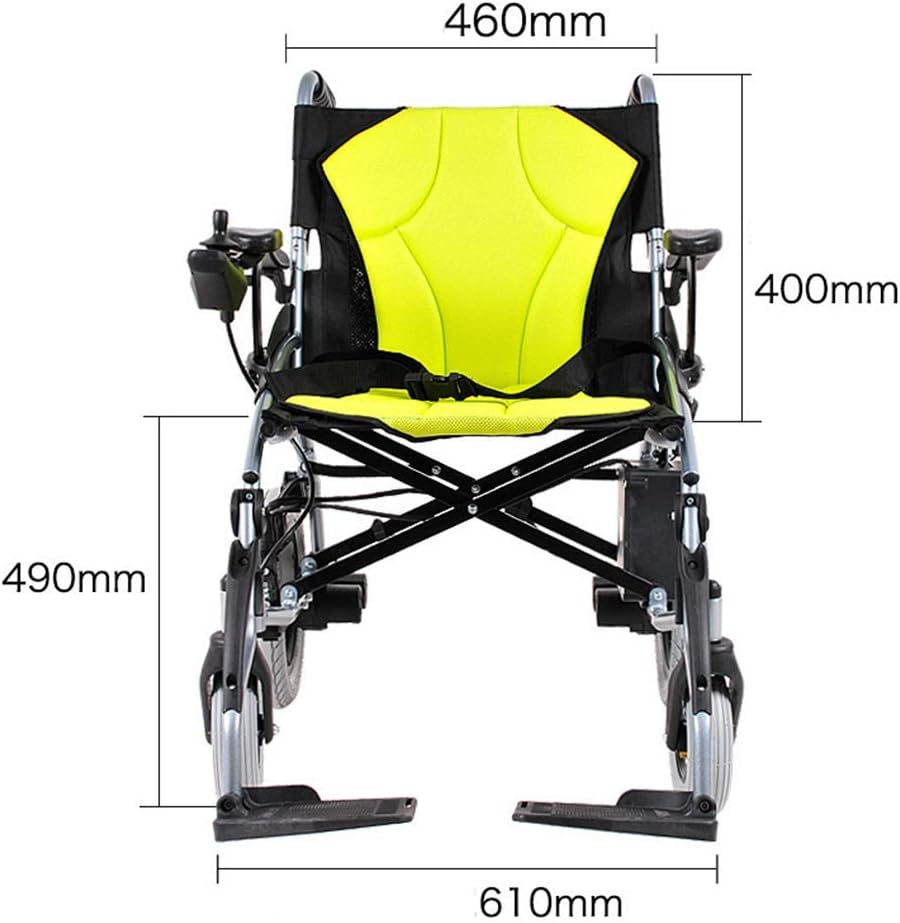
Figure 8.1: Front view with dimensions (width 610mm, seat width 460mm, seat depth 400mm, height 490mm).
| Feature | Specification |
|---|---|
| Model | HBLD3-D |
| Internal Model Number | 876353 |
| Brand | VGAGV |
| Outer Box Size | 660 x 670 x 370 mm |
| Folding Size | 280 x 550 x 820 mm |
| Motor Drive | Dual motor combination drive |
| Speed Adjustment | 0-6 km/h (3-speed adjustable) |
| Battery | 12AH24V Lithium Battery |
| Range of Mileage | Approximately 20 km |
| Front Tire Size | 8-inch pneumatic |
| Rear Tire Size | 12-inch pneumatic |
| Body Material | Aluminum frame |
| Controller | Intelligent universal controller |
| Maximum Load | 100 kg (220 lbs) |
| Net Weight | Approximately 15 kg (33 lbs) |
| Color | OneColor (as shown) |
9. Warranty and Support
For warranty information, technical support, or to order replacement parts, please contact your original retailer or the manufacturer directly. Keep your purchase receipt as proof of purchase.
Please note that the color of the image may be slightly different due to variations in light and display settings. Always refer to the actual product. It is recommended to measure your space before purchase to ensure the correct size and avoid issues with normal use.