
1. Introduction
This manual provides comprehensive instructions for the safe and effective operation, maintenance, and troubleshooting of the VIHELM WT8827 Portable Gas Detector. Please read this manual thoroughly before using the device to ensure proper functionality and to prevent potential hazards.
The VIHELM WT8827 is a handheld device designed for detecting gas leakage, offering high sensitivity and quick response for identifying the source of leaks in various environments.

Figure 1.1: VIHELM WT8827 Portable Gas Detector.
2. Safety Information
Always adhere to the following safety guidelines when operating the VIHELM WT8827 Gas Detector:
- Do not operate the device in environments exceeding its specified operating temperature and humidity ranges.
- Ensure proper ventilation when testing for gas leaks.
- Do not attempt to repair or modify the device. Refer all servicing to qualified personnel.
- Replace batteries promptly when the low battery indicator activates to ensure accurate readings.
- Keep the sensor probe clean and free from obstructions.
- This device is for detection purposes only and should not be used as a primary safety device in critical applications.
3. Product Overview
The VIHELM WT8827 Portable Gas Detector features a compact design with a flexible gooseneck probe for reaching confined spaces. Key components include:
- Gooseneck Probe: Flexible metal probe (30cm long) with a built-in sensor for detecting gas.
- Probe Cap: Protects the sensor.
- Power Switch: On/Off control for the device.
- Power Indicator: Illuminates when the device is powered on.
- Alarm Indicator: Visual indication of gas leakage.
- Sensitivity Adjustment: Allows for fine-tuning the detection sensitivity.
- Audible Alarm: Provides an audible alert upon gas detection.
- Battery Compartment: Houses the AAA batteries.

Figure 3.1: Labeled components of the VIHELM WT8827 Gas Detector. This image shows the power switch, power indicator, alarm indicator, sensitivity adjustment, and the gooseneck probe with its cap and built-in sensor.

Figure 3.2: Angled view of the device, highlighting the 30cm long flexible gooseneck probe.
4. Setup
4.1 Battery Installation
The VIHELM WT8827 requires three (3) 1.5V AAA batteries (not included) for operation.
- Locate the battery compartment cover on the back of the device.
- Slide the cover open in the direction indicated by the arrow or notch.
- Insert three 1.5V AAA batteries, ensuring correct polarity (+/-) as marked inside the compartment.
- Close the battery compartment cover securely until it clicks into place.
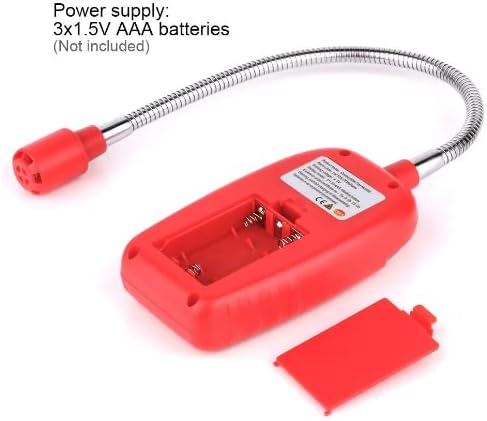
Figure 4.1: Open battery compartment showing slots for AAA batteries.

Figure 4.2: Back view of the device, indicating the battery compartment location.
5. Operating Instructions
5.1 Powering On and Preheat
- Press the Power Switch to turn on the device. The Power Indicator light will illuminate.
- Allow the device to preheat for approximately 60 seconds. During this time, the sensor stabilizes for accurate readings.
5.2 Gas Detection
- Once preheating is complete, slowly move the gooseneck probe into the area where a gas leak is suspected.
- The device will provide an audible alarm and the Alarm Indicator will illuminate if gas is detected. The alarm intensity may increase with higher concentrations of gas.
- Adjust the Sensitivity Adjustment knob if necessary to fine-tune the detection threshold.
- Use the flexible gooseneck to pinpoint the exact source of the leakage.
5.3 Probe Reset / Detectability Control
The device may feature a probe reset function or detectability control to clear the sensor or adjust its sensitivity. Refer to the sensitivity adjustment knob for this purpose.

Figure 5.1: The device in use, demonstrating its handheld operation and key functions.

Figure 5.2: Examples of environments where the gas detector can be applied, such as household appliances and industrial settings.
6. Maintenance
6.1 Cleaning
Wipe the exterior of the device with a soft, damp cloth. Do not use abrasive cleaners or solvents. Ensure no liquid enters the sensor probe or other openings.
6.2 Sensor Care
The sensor is a critical component. Avoid exposing it to harsh chemicals, extreme temperatures, or physical impact. Keep the probe cap on when not in use to protect the sensor.
6.3 Battery Replacement
Replace batteries when the low battery indicator activates. Always use new 1.5V AAA batteries and dispose of old batteries responsibly.
7. Troubleshooting
| Problem | Possible Cause | Solution |
|---|---|---|
| Device does not power on. | Dead or incorrectly installed batteries. | Check battery polarity. Replace with new 1.5V AAA batteries. |
| No alarm when gas is present. |
|
|
| False alarms or erratic readings. |
|
|
8. Specifications
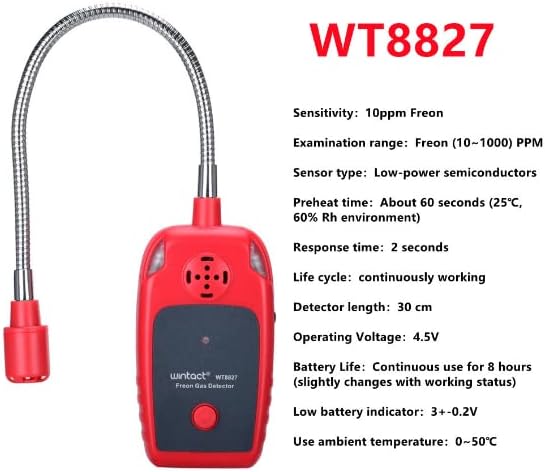
Figure 8.1: VIHELM WT8827 Gas Detector with its technical specifications.
| Parameter | Value |
|---|---|
| Model | WT8827 |
| Brand | VIHELM |
| Sensitivity | 10ppm Freon |
| Examination Range | Freon (10-1000) PPM |
| Sensor Type | Low-power semiconductors |
| Preheat Time | Approx. 60 seconds (at 25°C, 60% Rh environment) |
| Response Time | 2 seconds |
| Life Cycle | Continuously working |
| Gooseneck Length | 30 cm |
| Operating Voltage | 4.5V |
| Power Source | 3 x 1.5V AAA batteries (not included) |
| Battery Life | Continuous use for 8 hours (may vary with working status) |
| Low Battery Indicator | 3 ± 0.2V |
| Operating Temperature | 0-50°C |
| Operating Humidity | 95% (non-condensing) |
| Alarm | Audible |
| Item Weight | 1 Pound (approx. 0.45 kg) |
| Product Dimensions | 8 x 5 x 3 inches (approx. 20.3 x 12.7 x 7.6 cm) |
| UPC | 797442726345 |
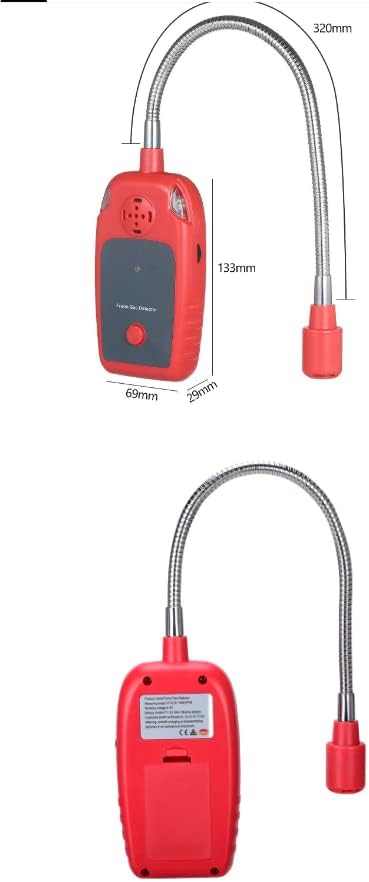
Figure 8.2: Dimensions of the VIHELM WT8827 Gas Detector.
9. Warranty Information
Specific warranty details for the VIHELM WT8827 Portable Gas Detector are not provided in the product information. Please refer to the retailer or manufacturer's official website for current warranty terms and conditions. Typically, electronic devices come with a limited manufacturer's warranty covering defects in materials and workmanship for a specified period from the date of purchase.
10. Support
For technical support, service, or inquiries regarding the VIHELM WT8827 Portable Gas Detector, please contact your point of purchase or visit the official VIHELM website. Ensure you have your product model number (WT8827) and purchase details available when seeking support.