
1. Introduction
This manual provides comprehensive instructions for the safe and effective operation, maintenance, and troubleshooting of your VIHELM Portable Handheld Combustible Gas Leak Detector, Model GM8800A. Please read this manual thoroughly before using the device to ensure proper function and safety.
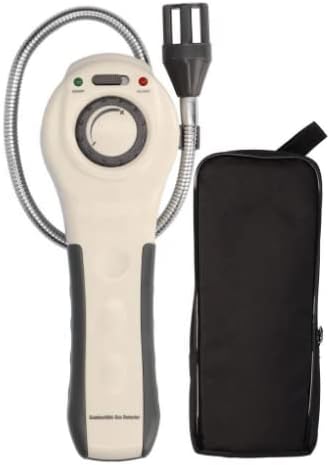
Image 1: VIHELM GM8800A Portable Handheld Combustible Gas Leak Detector with carrying case.
2. Safety Information
Always observe the following safety precautions when using the GM8800A gas leak detector:
- Do not operate the device in environments with extremely high humidity or corrosive gases.
- Ensure proper battery installation and replacement as specified.
- Do not attempt to modify or repair the device yourself. Refer to qualified personnel for service.
- This device is designed to detect combustible gases. It is not a substitute for proper safety procedures or other gas detection equipment required by local regulations.
- Keep the sensor head clean and free from obstructions to ensure accurate readings.
3. Product Overview
3.1 Components and Controls
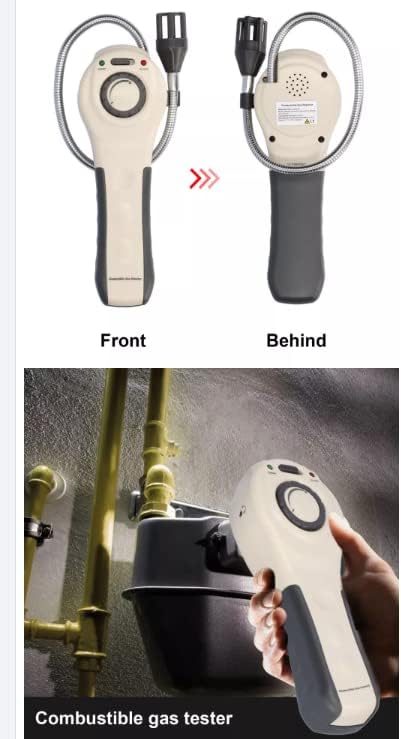
Image 2: Front view of the GM8800A with labeled components.
- Sensor Device and Sensor: Detects combustible gases.
- Warning Light Indication: Illuminates to indicate gas detection.
- Ready Indicator Light (after power-on): Indicates the device is ready for use.
- Slide Switch for Switch Machine: Power ON/OFF switch.
- Headphone Jack: For connecting headphones for audio alerts.
- Tick Rate (Sensitivity) Adjustment: Rotary knob to adjust detection sensitivity.
- Battery Door: Access for battery installation.
- Handle: Ergonomic grip for handheld operation.
- Goose Top Detector: Flexible probe for reaching confined spaces.
- Detector Clip: Secures the goose top detector.
3.2 Key Features
- Professional handheld combustible gas detector.
- Convenient and fast detection of gas leakage sources.
- High precision sensor for detecting slight gas leakage.
- Visual alarm indication via an alarming bulb.
- Quick response time.
- Monophony earphone socket for private alerts.
- 10-16 inches long goose neck for extended reach.
- Adjustable detection control (sensitivity).
- Reset button on the probe handle.
- Constant power indication.
4. Setup
4.1 Battery Installation
The GM8800A requires 3 x LR14 C 1.5V batteries (not included) for operation.
- Locate the battery door on the back of the device (refer to Image 3).
- Slide or unclip the battery door to open the compartment.
- Insert three LR14 C 1.5V batteries, ensuring correct polarity (+/-).
- Close the battery door securely.

Image 3: Battery compartment access.
5. Operating Instructions
5.1 Powering On and Warm-up
- Ensure batteries are correctly installed.
- Slide the power switch (Switch Machine) to the ON position.
- The device will begin a warm-up period, which takes approximately 60 seconds. During this time, the Ready Indicator Light may flash or remain off.
- Once the warm-up is complete, the Ready Indicator Light will illuminate steadily, indicating the device is ready for detection.
5.2 Adjusting Sensitivity
The GM8800A features an adjustable sensitivity control (Tick Rate Adjustment) to fine-tune its detection capabilities.
- Rotate the sensitivity adjustment knob to increase or decrease the device's responsiveness to gas.
- Higher sensitivity settings are suitable for detecting very small leaks, while lower settings can help pinpoint larger leaks or reduce false alarms in environments with trace gases.
- If a "Reset button on the probe handle" is present, pressing it may re-calibrate the sensor to the current ambient air, allowing for more precise detection of new leaks.
5.3 Gas Leak Detection
- With the device warmed up and ready, slowly move the goose neck detector probe into the area where a gas leak is suspected.
- Pay close attention to pipes, fittings, valves, and appliance connections.
- If combustible gas is detected, the Warning Light Indication will illuminate, and an audible alarm will sound. The tick rate may also increase with higher concentrations.
- To pinpoint the exact source, move the probe slowly around the suspected area. The alarm will intensify as you get closer to the leak source.

Image 4: Using the GM8800A for gas leak detection.
5.4 Using the Headphone Jack
For use in noisy environments or for discreet operation, connect a standard monophony headphone to the headphone jack on the device. The audible alarm will then be directed through the headphones.

Image 5: Headphone jack for audio alerts.
6. Maintenance
6.1 Cleaning
- Wipe the exterior of the device with a soft, damp cloth. Do not use abrasive cleaners or solvents.
- Keep the sensor head clean and free from dust, dirt, and debris. Do not insert any objects into the sensor opening.
6.2 Battery Replacement
Replace batteries when the low battery indication is observed (3±0.2V). Refer to Section 4.1 for battery installation instructions.
6.3 Sensor Care
The catalytic sensor is a critical component. Avoid exposing it to high concentrations of gas for prolonged periods, as this can reduce its lifespan. Store the device in a clean, dry environment when not in use.
7. Troubleshooting
| Problem | Possible Cause | Solution |
|---|---|---|
| Device does not power on. | Dead or incorrectly installed batteries. | Check battery polarity and replace with fresh LR14 C 1.5V batteries. |
| No alarm when gas is suspected. | Low sensitivity setting; sensor obstructed; device not warmed up; sensor failure. | Increase sensitivity. Ensure sensor is clean. Wait for warm-up. If problem persists, contact support. |
| Constant alarm or false alarms. | High sensitivity setting; background gases; sensor contamination. | Decrease sensitivity. Move to a fresh air environment and re-calibrate (if applicable). Clean sensor. |
| Low battery indication. | Batteries are low. | Replace all three LR14 C 1.5V batteries. |
8. Specifications
| Model: | GM8800A |
| Sensitivity: | 50ppm Methane |
| Response Time: | 2 seconds |
| Warm-up Time: | Approximately 60 seconds |
| Continuous Operation Time: | 8 hours |
| Low Battery Indication: | 3±0.2V |
| Operation Temperature: | 0-52°C |
| Power Supply: | 3 x LR14 C 1.5V batteries (not included) |
| Sensor Type: | Catalytic (Low power semiconductor) |
| Goose Neck Length: | 10-16 inches (approx. 40.75cm) |
| Item Weight: | 1 pound (approx. 448.8g / 15.83oz) |
| Product Dimensions: | 2 x 3 x 5 inches (approx. 5.08 x 7.62 x 12.7 cm) |
| Alarm: | Visual (light) and Audible |
9. Applications
The VIHELM GM8800A is suitable for a wide range of applications where combustible gas detection is required:
- Household kitchens
- Liquefied steel cylinders (LPG tanks)
- Fire-fighting operations
- Municipal administration
- Coal mines
- Metallurgy industries
- Other industrial and commercial settings where combustible gases may be present.
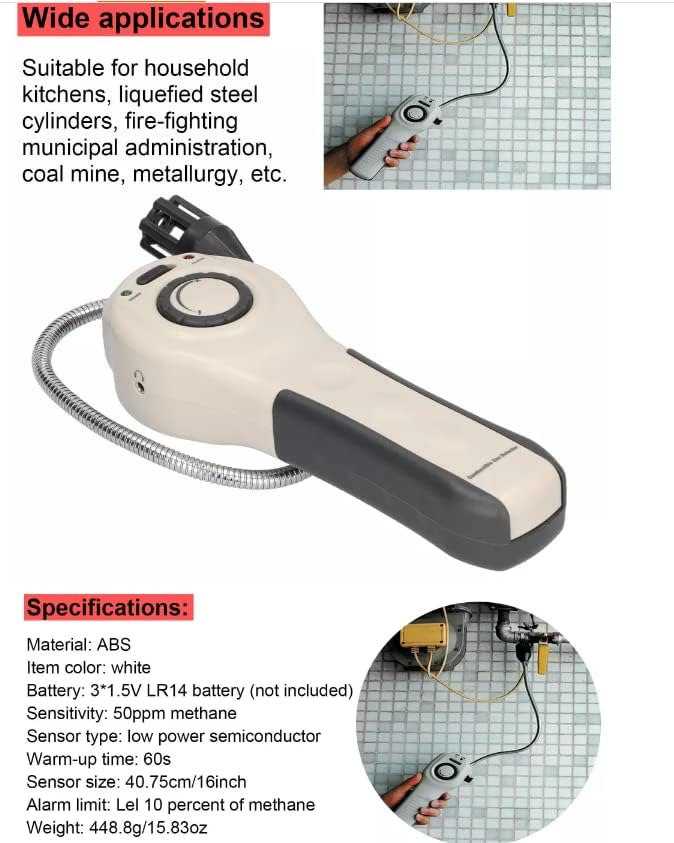
Image 6: Wide range of applications for the GM8800A.
10. Warranty and Support
For warranty information, technical support, or service inquiries, please refer to the documentation included with your purchase or contact VIHELM customer service directly. Contact details are typically available on the manufacturer's official website or product packaging.