
Khetibari BC76-10gRed Am-100
Khetibari Cabbage and Red Amaranth Seeds User Manual
Model: BC76-10gRed Am-100
Introduction
This manual provides essential information for the successful cultivation of Khetibari Cabbage (Syngenta BC 76) and Red Amaranth (Red Am) seeds. Please read thoroughly before planting to ensure optimal growth and yield.
Product Overview
The Khetibari seed bundle includes two distinct varieties:
- Syngenta BC 76 Cabbage Seeds: Known for vigorous plant growth with blue-green leaves. Produces round, attractive green, and compact heads. This is a mid to late season variety, maturing in 65 to 80 days after planting, with an average head weight of 1.5-2.0 kg. Suitable for hot and humid climates.
- Red Amaranth Seeds: These seeds yield plants with vibrant red leaves, ideal for culinary use. The product is noted for its organic special feature.
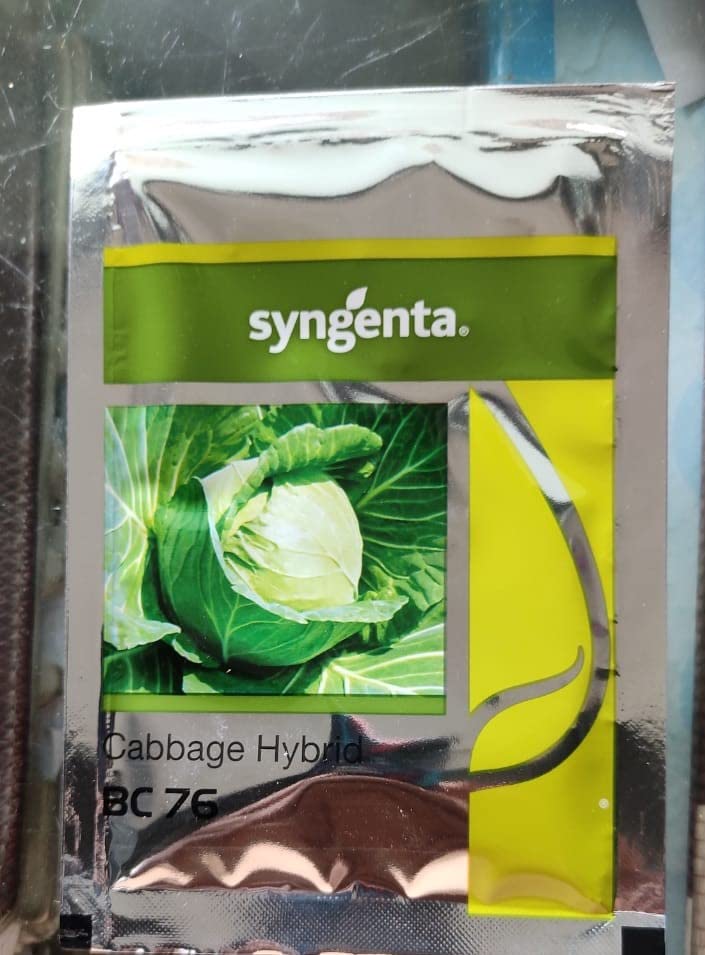
Image 1: Syngenta BC 76 Cabbage Seed Packet. This image shows the packaging for the Syngenta BC 76 Cabbage seeds, featuring the Syngenta logo and an image of a cabbage head.

Image 2: Durga Seeds Lal Sag (Red Amaranth) Seed Packet. This image displays the packaging for the Red Amaranth seeds, labeled "Lal Sag" under the Durga Seeds brand, with a picture of red amaranth leaves.

Image 3: Bundle of Cabbage and Amaranth Seed Packets. This image shows both the Syngenta BC 76 Cabbage seed packet and the KSP 182 Amar (Amaranth) seed packet side-by-side, indicating the bundled nature of the product.
Setup and Preparation
1. Site Selection
Choose a location that receives full sun exposure. Both cabbage and amaranth thrive in well-drained soil. Ensure the area is free from weeds and debris.
2. Soil Preparation
Prepare the soil by tilling it to a depth of 6-8 inches. Incorporate organic matter such as compost or well-rotted manure to improve soil fertility and drainage. The ideal soil pH for cabbage is 6.0-7.0, and for amaranth, it is 6.0-7.5.
3. Seed Sowing
- Cabbage (Syngenta BC 76):
- Sow seeds 0.5 inches deep.
- Space seeds 18-24 inches apart in rows that are 24-36 inches apart.
- For transplanting, start seeds indoors 4-6 weeks before the last frost date.
- Red Amaranth:
- Sow seeds thinly on the soil surface and lightly cover with soil (about 0.25 inches deep).
- Space plants 6-12 inches apart in rows 12-18 inches apart.
- Amaranth can be direct-sown after the last frost.
Operating (Cultivation)
1. Watering
Maintain consistent soil moisture, especially during dry periods. Water deeply and regularly, ensuring the soil is moist but not waterlogged. The product care instructions specify "water" as a key requirement.
2. Fertilization
Apply a balanced fertilizer according to soil test recommendations. For organic cultivation, use compost tea or other organic fertilizers. Fertilize cabbage when heads begin to form, and amaranth throughout its growth cycle.
3. Pest and Disease Management
Regularly inspect plants for signs of pests or diseases. Use organic pest control methods where possible. Common pests for cabbage include aphids and cabbage worms. Amaranth is generally more resistant but can be affected by leaf miners.
4. Weeding
Keep the planting area free of weeds, as they compete with your plants for nutrients and water. Mulching can help suppress weeds and retain soil moisture.
Maintenance and Harvesting
1. Cabbage Harvesting
Cabbage heads are ready for harvest when they are firm and compact. This typically occurs 65 to 80 days after planting. Cut the head at the base with a sharp knife, leaving a few outer leaves to protect the inner head.
2. Red Amaranth Harvesting
Red Amaranth leaves can be harvested continuously as needed. Begin harvesting when plants are 6-8 inches tall by picking the outer leaves. For a larger harvest, cut the entire plant about 2 inches above the ground, allowing it to regrow.
3. Post-Harvest Care
After harvesting, remove any remaining plant debris to prevent disease buildup. Consider crop rotation in subsequent seasons to maintain soil health.
Troubleshooting
| Problem | Possible Cause | Solution |
|---|---|---|
| Poor Germination | Incorrect planting depth, insufficient moisture, old seeds. | Ensure proper depth and consistent moisture. Use fresh seeds. |
| Yellowing Leaves | Nutrient deficiency, overwatering, underwatering. | Check soil moisture, apply balanced fertilizer. |
| Pest Damage | Aphids, cabbage worms, leaf miners. | Apply organic insecticides, introduce beneficial insects, hand-pick pests. |
| Cabbage Heads Not Forming | Lack of nutrients, insufficient sunlight, high temperatures. | Ensure adequate fertilization and full sun exposure. Cabbage prefers cooler temperatures for heading. |
Specifications
- Product Name: Bundle of Cabbage, Syngenta BC 76-10 gm and Red Am -100 gm
- Brand: Khetibari
- Model Number: BC76-10gRed Am-100
- ASIN: B0B8SS5W6Y
- Net Quantity: 110.00 gram (10 gm Cabbage, 100 gm Red Amaranth)
- Indoor/Outdoor Usage: Outdoor
- Sunlight Exposure: Full Sun
- Product Care Instructions: Water
- USDA Hardiness Zone: 3
- Cabbage (Syngenta BC 76) Specifics:
- Maturity: 65 to 80 days after planting
- Average Head Weight: 1.5-2.0 kg
- Head Characteristics: Round, attractive green, compact
- Climate Suitability: Hot and Humid
- Red Amaranth Specifics:
- Color: Multicolour (referring to the plant's vibrant red leaves)
- Special Feature: Organic
Warranty and Support
Khetibari strives to provide high-quality seeds. Due to the nature of agricultural products and varying environmental conditions, specific growth outcomes cannot be guaranteed. However, if you encounter issues with seed viability upon receipt, please contact Khetibari customer support within 7 days of purchase.
For further assistance or inquiries, please refer to the contact information provided on the product packaging or visit the Khetibari official website.
Note: This product is sold by Khetibari. For returns policy and secure transaction details, please refer to the Amazon product page: Amazon Product Link.
Ask a question about this manual
Ask about setup, troubleshooting, compatibility, parts, safety, or missing instructions. Manuals+ will review the question and use this page’s manual context to help answer it.