
1. Product Overview
The VEVOR 86 Lbs Single Horn Cast Iron Anvil is a robust and durable tool designed for various metalworking applications. Constructed from high-grade cast iron, it offers a stable and resilient surface for hammering, shaping, and forming metal workpieces. Its design incorporates essential features for both general and specialized blacksmithing tasks.

Figure 1: VEVOR 86 Lbs Single Horn Cast Iron Anvil. This image displays the overall structure of the anvil, highlighting its main body, horn, and flat working surface.
2. Safety Instructions
Working with anvils and metal can be hazardous. Always prioritize safety to prevent injury.
- Personal Protective Equipment (PPE): Always wear safety glasses or a face shield to protect against flying debris. Use heavy-duty work gloves to protect hands from heat and impact. Consider hearing protection, as hammering on an anvil can produce loud noises.
- Stable Base: Ensure the anvil is securely mounted on a stable, heavy base (e.g., a sturdy wooden stump or a purpose-built stand) to prevent movement or tipping during use.
- Workpiece Handling: Use tongs or appropriate holding tools to manipulate hot metal. Never hold hot metal directly with your hands, even with gloves.
- Clear Workspace: Keep the area around the anvil clear of obstructions, flammable materials, and other personnel.
- Proper Hammering Technique: Strike the workpiece squarely on the anvil face. Avoid striking the edges of the anvil directly with a hammer, as this can damage both the hammer and the anvil.
- Rebound Awareness: Be aware of the rebound effect when striking metal. The anvil's high rebound rate can cause hammers or workpieces to bounce back with significant force.
3. Product Components and Features
The VEVOR Cast Iron Anvil is engineered with specific features to enhance its functionality and durability in metalworking.
3.1 Premium Material and Durability
This anvil is crafted from drop-forged, high-grade steel, ensuring high hardness, strength, and durability. It boasts an excellent hardness rating of 55 HRC, making it resistant to deformation under high-impact strikes and hammering. The solid base further contributes to its stability during heavy use.
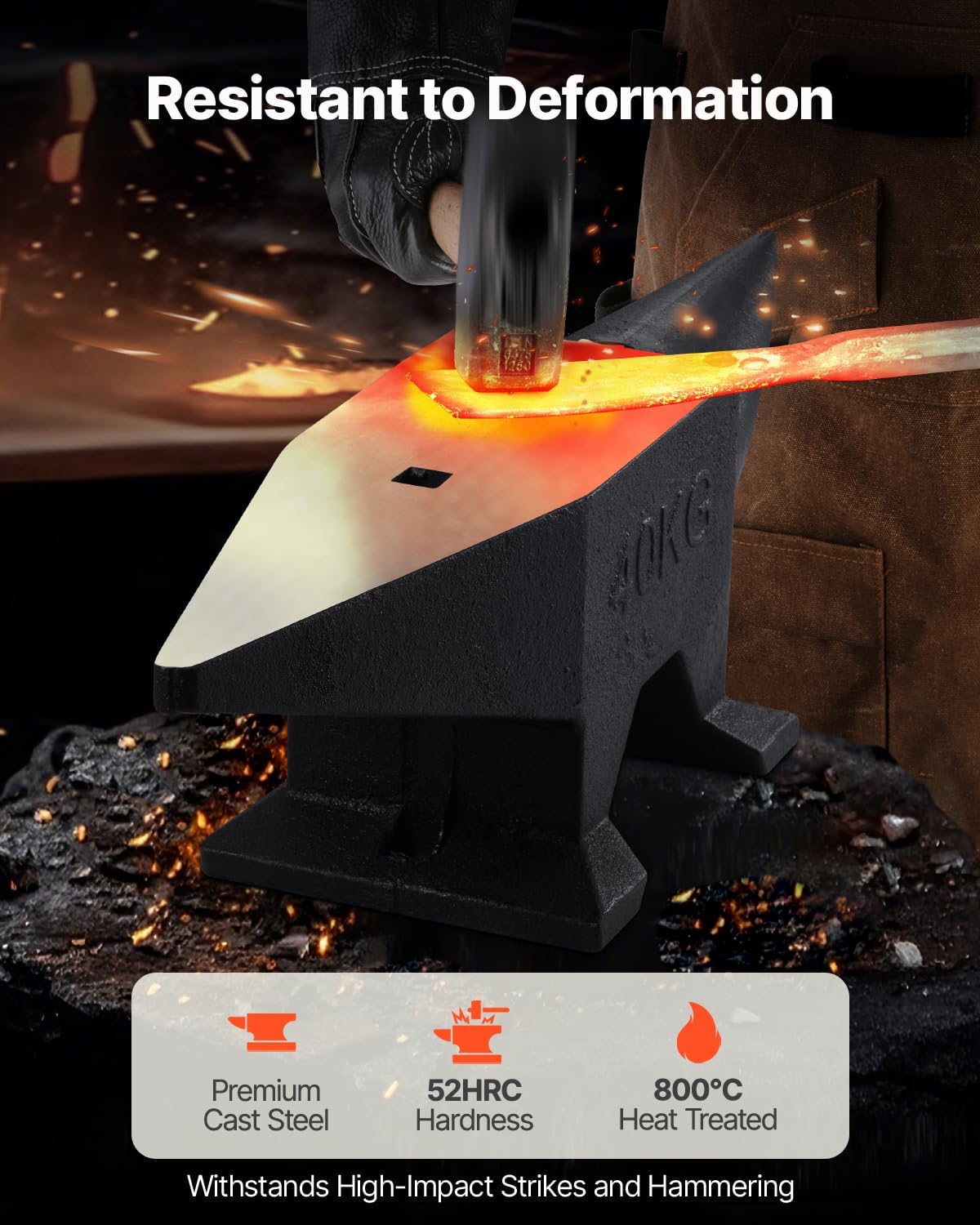
Figure 2: Anvil's resistance to deformation. This image illustrates the anvil's robust construction, highlighting its ability to withstand high-impact strikes and hammering without deforming.
3.2 High Rebound Rate
The anvil features an impressive rebound rate of over 70%, which is crucial for efficient forging. This high rebound ensures that the energy from each hammer blow is effectively transferred back to the workpiece, aiding in shaping and bending with less effort.

Figure 3: Anvil's high rebound rate. This image visually represents the energy transfer and rebound efficiency of the anvil, indicating even force distribution for enhanced forging.
3.3 Versatile Angles and Holes
The anvil is equipped with a round horn and a flat horn, both essential for smoothing, bending, and shaping metal. Additionally, it includes a hardy hole and a pritchel hole, which are vital for punching accessories and twisting operations.
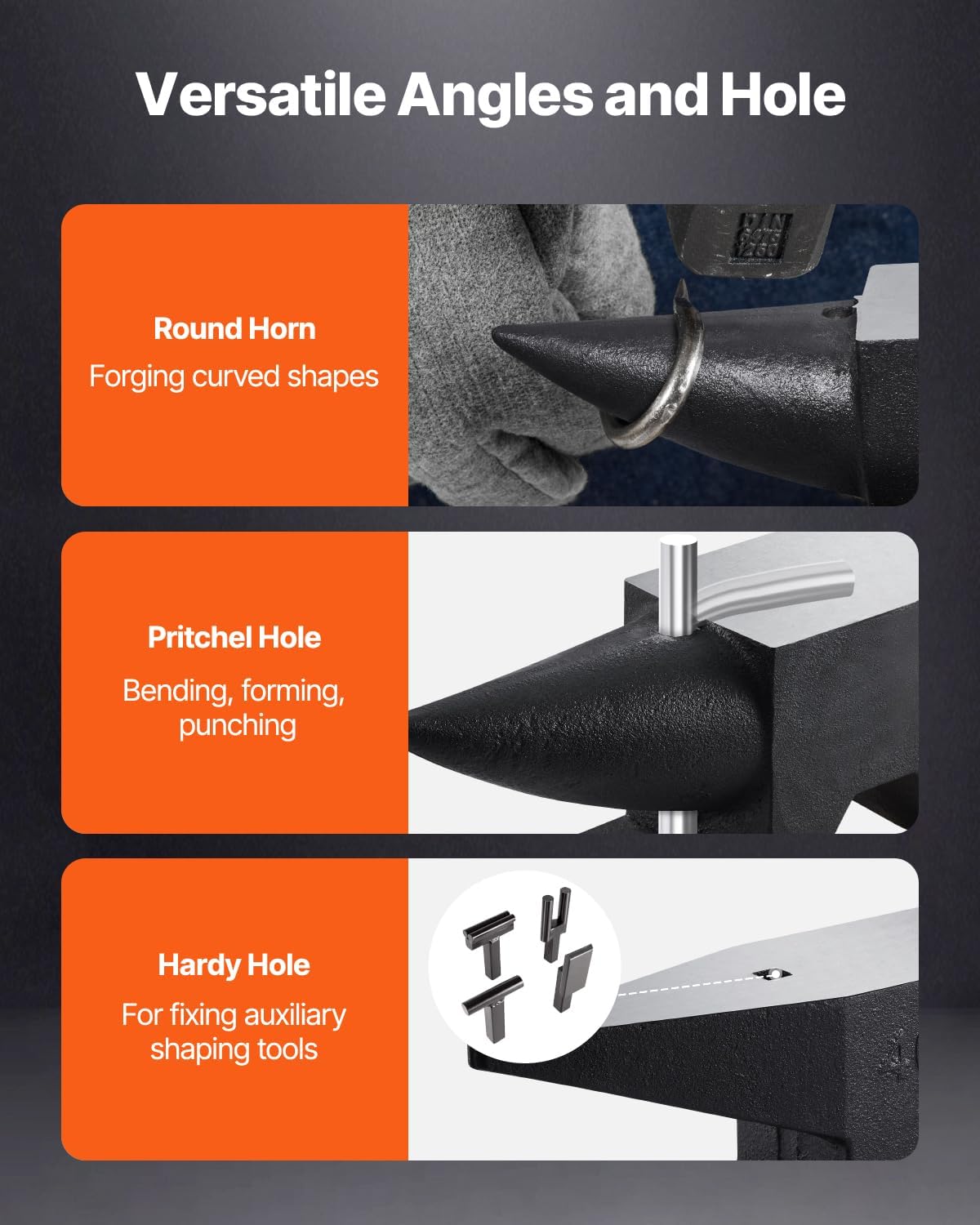
Figure 4: Versatile angles and holes. This image details the round horn for curved shapes, the pritchel hole for bending, forming, and punching, and the hardy hole for fixing auxiliary shaping tools.
3.4 Polished Surface and Large Working Area
The blacksmith anvil features a fully polished surface area, providing a smooth and corrosion-proof workspace. This surface is achieved through a quenching treatment, ensuring long-lasting use. A spray coating further protects against oxidation. The wide countertop offers a comfortable and ample working area, capable of withstanding prolonged hammering.

Figure 5: Anvil's cutting table. This image shows the anvil's flat surface being used for both cutting and positioning, as well as bending and shaping metal.
4. Setup and Installation
Proper setup of your VEVOR anvil is essential for safety and optimal performance.
- Choose a Stable Base: Select a heavy, sturdy base that can absorb impact and prevent the anvil from moving. Traditional choices include a large wooden stump (oak, maple, or other hardwoods are ideal) or a purpose-built steel stand. The base should be wide enough to provide stability and ideally heavy enough to minimize bounce.
- Secure the Anvil: The anvil should be securely fastened to its base. This can be achieved using metal straps, bolts, or chains that tightly bind the anvil to the stand. Ensure there is no wobble or movement.
- Optimal Height: Position the anvil so that its face is at a comfortable working height. A common guideline is to have the anvil face at knuckle height when standing upright with your arm relaxed at your side. This allows for efficient and ergonomic hammering.
- Level Surface: Ensure the anvil's face is level to provide a consistent and accurate striking surface.
5. Operating Instructions
The VEVOR Cast Iron Anvil is a versatile tool for various metalworking techniques.
- Hammering and Forging: Use the main flat face for general hammering, flattening, and drawing out metal. The high rebound rate assists in efficient forging.
- Shaping and Bending: The round horn is ideal for bending and shaping curved workpieces, while the flat horn can be used for sharper bends and corners.
- Punching and Twisting: Utilize the hardy hole for inserting various tools (like chisels, punches, or bending forks) for specialized operations. The pritchel hole is typically used for punching holes through metal or for holding workpieces during twisting.
- Metal Correction and DIY: The anvil is suitable for correcting deformed metal pieces and for various handcrafted DIY projects involving metal fabrication.

Figure 6: Anvil applications including metal forging, metal correction, and handcrafted DIY projects. This image demonstrates the anvil's versatility across different metalworking tasks.
6. Maintenance
Regular maintenance will prolong the life and performance of your anvil.
- Cleaning: After each use, clean the anvil face and horns to remove any scale, slag, or debris. A wire brush can be used for this purpose.
- Rust Prevention: Since the anvil is made of cast iron, it is susceptible to rust. Apply a thin coat of oil (e.g., motor oil, linseed oil, or a specialized rust preventative) to the polished face and horns after cleaning, especially if the anvil will be stored for an extended period or in a humid environment.
- Avoid Damage: Do not use the anvil as a cutting surface for cold chisels directly on the face, as this can create nicks and deform the surface. Use a separate cutting plate or the edge of the anvil if necessary.
- Inspect Regularly: Periodically inspect the anvil for any signs of damage, cracks, or excessive wear. Address any issues promptly.
7. Troubleshooting
Most issues with an anvil relate to its surface or stability.
- Surface Marks/Dents: Minor marks are normal with use. For significant dents or unevenness that affect work, professional resurfacing may be required. Ensure you are using proper hammering techniques and appropriate tools.
- Rust Formation: If rust appears, clean the affected area with a wire brush or sandpaper and reapply a protective oil coating. Ensure proper storage in a dry environment.
- Anvil Movement/Wobble: This indicates an unstable base or insufficient securing. Re-evaluate your base's stability and ensure the anvil is tightly fastened. Add weight to the base if necessary.
- Poor Rebound: While this anvil has a high rebound rate, if you notice reduced rebound, ensure the anvil is clean, free of debris, and securely mounted. A loose mounting can absorb energy and reduce rebound.
8. Specifications
| Attribute | Value |
|---|---|
| Brand | VEVOR |
| Model Name | Large Countertop and Stable Base Single Horn Anvil |
| Item Model Number | Cast Iron Anvil 88 LBS |
| Size | Black 86LB |
| Material | Metal, Steel |
| Item Weight | 85 Pounds |
| Product Dimensions (L x W x H) | 26 x 8.7 x 9.8 inches |
| Color | Black |
| UPC | 840281540716 |

Figure 7: Detailed dimensions and key specifications of the VEVOR 86 Lbs Cast Iron Anvil.
9. Warranty and Support
This product does not come with an explicit manufacturer's warranty description. For any product-related inquiries, technical assistance, or support, please contact VEVOR customer service directly through their official channels or the retailer from whom the product was purchased. They can provide further information regarding product care, troubleshooting, and any applicable return policies.