Introduction
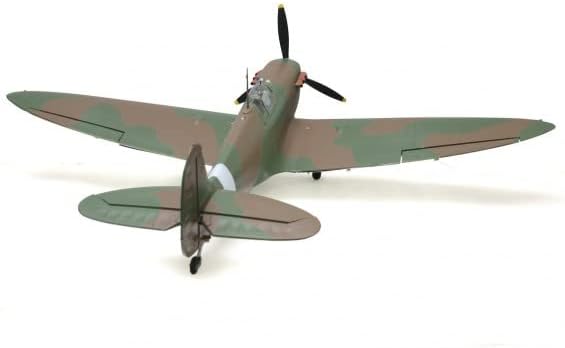
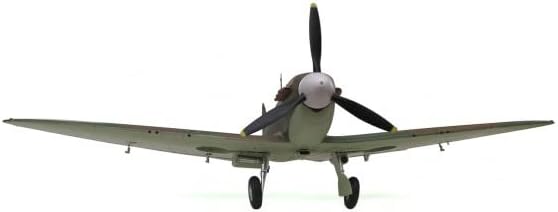
This manual provides essential information for the assembly, operation, and maintenance of your Durafly Supermarine Spitfire Mk2a WWII Fighter EPO 1100mm model aircraft. The Supermarine Spitfire Mk2a is a highly detailed, Plug and Fly (PNF) model, designed to replicate the iconic WWII fighter. It features a tough EPO construction, scale electric retracts, and an LED lighting system, offering a wide flight envelope for both stable and scale flight performance.
Features
- Plug and Fly (PNF) Design: Includes scale electric retracts and LED lighting system. Requires only a battery and receiver.
- Durable Construction: Made from tough EPO foam for resilience.
- Flight Performance: Offers a wide flight envelope with stable and scale flight characteristics.
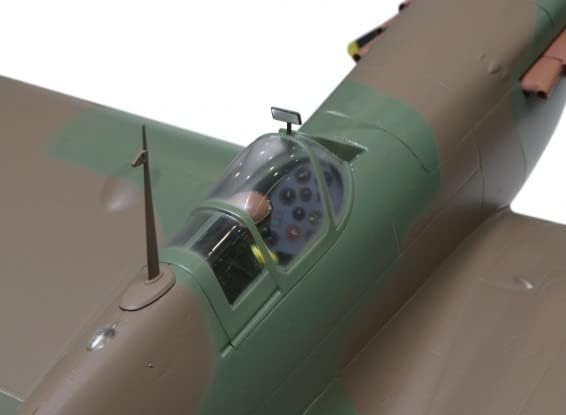
- Scale Detailing: Highly detailed scale finish with an authentic 'Eagle Squadron' color scheme.
- Functional Flaps: Features functioning scale split flaps for improved flight control.
Included Components
The Durafly Spitfire Mk2a comes with the following components:
- 1 x Durafly Spitfire Mk2a EPO airframe
- 1 x Aerostar 3736 770KV brushless motor
- 1 x Aerostar 50A brushless ESC
- 1 x 3 blade 11.25x7 propeller
- 6 x 9g servos
- 1 x Pair scale electric retracts
- 1 x Navigation LED lighting system
- 1 x Steerable tailwheel
- 1 x Scale detailing pack
- 1 x Scale decal sheet
- 1 x Hardware pack
- 1 x Quick Start Guide

Setup and Assembly
Follow these steps to assemble your Durafly Spitfire Mk2a. Ensure you have a clean, spacious work area.
- Wing Attachment: Carefully slide the main wing into the fuselage slot. Secure it using the provided screws or clips as indicated in the Quick Start Guide. Ensure all servo wires for ailerons and flaps are connected to the appropriate channels on your receiver.
- Tail Assembly: Attach the horizontal and vertical stabilizers. Pay attention to the orientation and secure them firmly. Connect the elevator and rudder pushrods to their respective servos.
- Propeller Installation: Mount the 3-blade propeller onto the motor shaft. Ensure it is balanced and securely fastened.
- Landing Gear Check: Verify that the electric retracts extend and retract smoothly. Ensure the steerable tailwheel operates correctly.
- Receiver and Battery Installation: Install your chosen receiver in the designated compartment. Connect the ESC to the receiver's throttle channel. Insert the recommended 2200mAh 4S LiPo battery into the battery compartment, ensuring proper balance.


Operating Instructions
Before your first flight, ensure all control surfaces move freely and in the correct direction relative to your transmitter inputs. Perform a range check of your radio system.
Pre-Flight Checks:
- Verify battery is fully charged and securely installed.
- Confirm propeller is tight and undamaged.
- Check all control surfaces (ailerons, elevator, rudder, flaps) for proper movement and throw.
- Ensure landing gear extends and retracts correctly.
- Perform a final visual inspection for any loose parts or damage.
Take-off:
Place the model on a smooth surface. Gradually increase throttle while maintaining directional control with the rudder. Once sufficient speed is gained, gently apply up elevator to lift off.
Flight:
The Spitfire Mk2a is designed for stable flight. Use small, precise inputs. Experiment with flap settings for slower flight or landing approaches. Monitor battery voltage during flight.
Landing:
Approach the landing strip into the wind. Reduce throttle and deploy flaps as needed to control descent speed. Maintain a slight nose-up attitude and gently flare just before touchdown. Retract landing gear after landing if desired for ground handling.


Maintenance
Regular maintenance will ensure the longevity and safe operation of your model aircraft.
- Post-Flight Inspection: After each flight, inspect the airframe for any cracks, dents, or damage. Check all control surface hinges and linkages for looseness.
- Propeller Check: Regularly inspect the propeller for nicks, cracks, or bends. Replace if damaged to prevent vibrations and ensure efficient thrust.
- Motor and ESC: Ensure the motor spins freely and quietly. Check ESC connections for secure fit. Avoid overheating the ESC by ensuring adequate airflow.
- Landing Gear: Keep the retract mechanisms clean and free of debris. Lubricate moving parts sparingly if needed.
- Battery Care: Store LiPo batteries at a storage charge (around 3.8V per cell) when not in use for extended periods. Do not overcharge or over-discharge.
- Cleaning: Clean the EPO foam with a soft, damp cloth. Avoid harsh chemicals that may damage the paint or foam.
Troubleshooting
| Problem | Possible Cause | Solution |
|---|---|---|
| Motor not spinning / No power | Disconnected battery; Dead battery; ESC not armed; Loose motor/ESC connections. | Ensure battery is connected and charged; Check all wiring connections; Re-arm ESC (throttle to zero, then up). |
| Control surfaces not responding | Receiver not bound; Loose servo connections; Damaged servo. | Re-bind receiver to transmitter; Check servo plugs; Replace faulty servo. |
| Landing gear not retracting/extending | Obstruction; Damaged retract mechanism; Insufficient power. | Clear any debris; Inspect for damage; Ensure battery is adequately charged. |
| Poor flight performance | Incorrect CG; Damaged propeller; Control surface trim issues. | Adjust battery position for correct Center of Gravity; Replace propeller; Adjust trims on transmitter. |
Specifications
| Specification | Detail |
|---|---|
| Type | Durafly (PNF) Supermarine Spitfire Mk2a WWII Fighter |
| Wingspan | 1100mm (43.3 inches) |
| Length | 1000mm (39.3 inches) |
| Flying Weight | 1300g (45oz) |
| Servos | 6 x 9g (2 x aileron, 2 x flap, 1 x elevator, 1 x rudder) |
| Motor | Aerostar 3736 770KV brushless outrunner |
| ESC | Aerostar 50A |
| Propeller | 3 blade 11.25x7 |
| Recommended Battery | 2200mAh 4S 40C or greater LiPo (not included) |
| Channels Required | 6 |
| Manufacturer Recommended Age | 12 years and up |
Warranty and Support
For warranty information and technical support, please refer to the documentation provided with your purchase or contact Hobby King customer service directly. Keep your proof of purchase for any warranty claims.
For additional resources and community forums, visit the official Hobby King website or relevant online RC aircraft communities.