1. Introduction and Overview
This instruction manual provides essential information for the proper setup, operation, maintenance, and care of your GEWA 4/4 Student, solid spruce Standard classical guitar. Please read this manual thoroughly before using your instrument to ensure optimal performance and longevity.
The GEWA 4/4 Student guitar is designed with a commitment to high-quality craftsmanship and accessibility. All GEWA German Engineered products are conceptualized and designed by experts in Germany, reflecting extensive know-how and a constant focus on the needs of musicians.
2. Product Features
Your GEWA 4/4 Student guitar incorporates the following key features:
- Top: Solid European spruce for enhanced resonance and tone.
- Back and Sides: Okoume wood, contributing to a balanced sound.
- Neck: Okoume wood with carbon reinforcement for stability and durability.
- Neck Joint: Dovetail construction for a strong and resonant connection.
- Fingerboard and Bridge: Blackwood Tek, offering a stable and smooth playing surface.

Figure 2.1: Front view of the GEWA 4/4 Student classical guitar, showcasing its solid spruce top and natural finish.

Figure 2.2: Back view of the GEWA 4/4 Student classical guitar, highlighting the Okoume wood back and sides.

Figure 2.3: Angled view of the guitar, showing the body shape and neck joint.

Figure 2.4: Detailed view of the soundhole rosette and bridge area, emphasizing the craftsmanship.
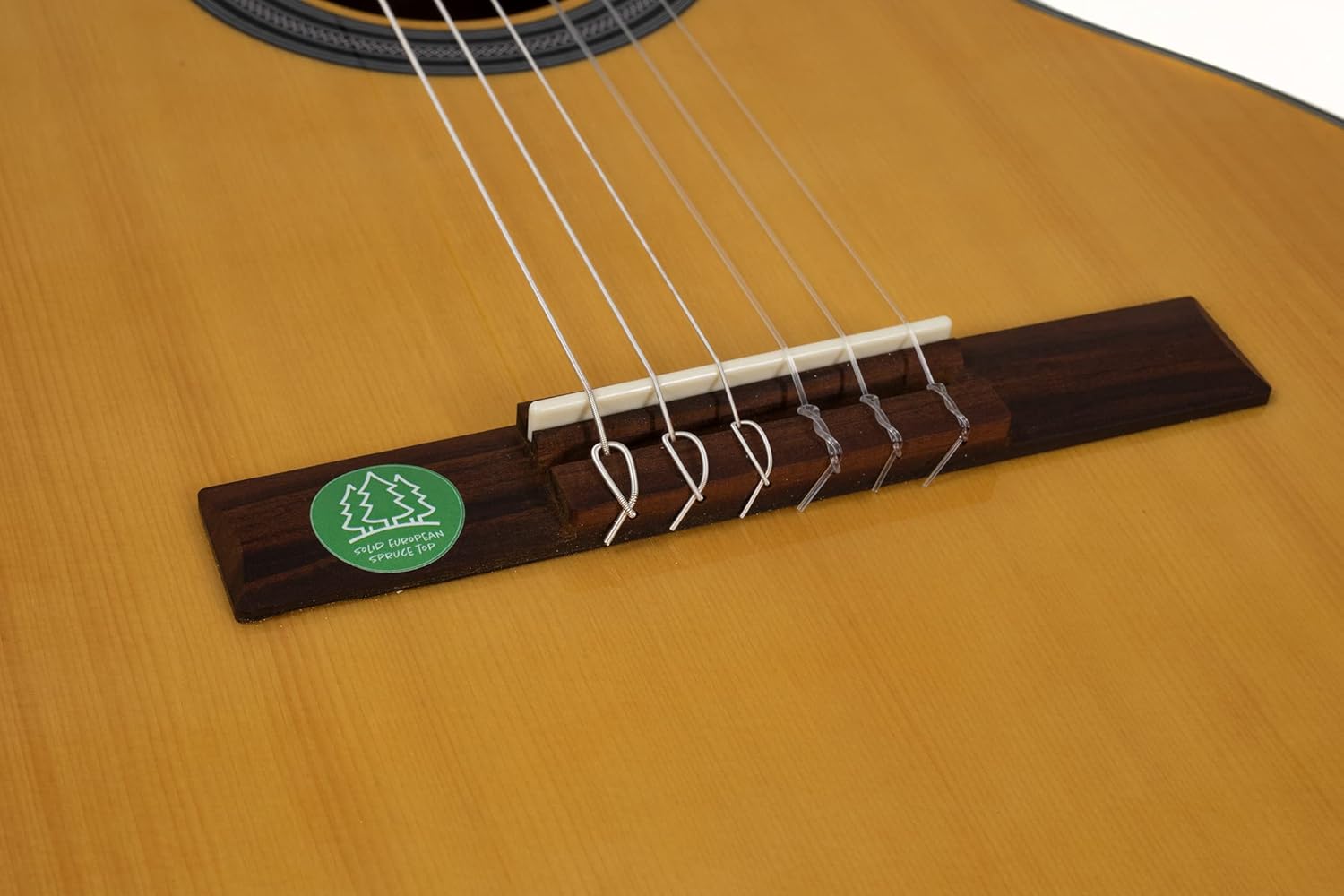
Figure 2.5: Close-up of the Blackwood Tek bridge and nylon strings, showing the string tie-block.

Figure 2.6: View of the guitar's headstock from the back, showing the tuning machines and the "Aqua finish" water-based finish label.

Figure 2.7: Another perspective of the soundhole and strings, highlighting the fretboard and string alignment.
3. Setup
3.1 Initial Inspection
Upon receiving your guitar, carefully inspect it for any signs of damage that may have occurred during shipping. Check the body, neck, headstock, and tuning machines. If you find any issues, contact your retailer immediately.
3.2 Tuning
Your guitar will likely be out of tune upon arrival. Classical guitars typically use nylon strings, which stretch significantly when new. It may take several days of regular tuning for the strings to stabilize.
- Use a digital tuner for accuracy.
- Tune the strings to standard classical guitar tuning: E (low), A, D, G, B, E (high).
- Tune each string slightly sharp initially, then bring it down to pitch. This helps the string settle.
- Repeat tuning frequently during the first few days of use.
3.3 Stringing
The guitar comes pre-strung. When it's time to replace strings, ensure you use classical guitar nylon strings. Refer to online tutorials or a qualified technician for proper stringing techniques to avoid damage to the bridge or tuning machines.
4. Operating
4.1 Holding the Guitar
Proper posture is crucial for comfort and playability. For classical guitar, typically the guitar rests on the left leg (for right-handed players), with the waist of the guitar resting on the thigh. A footstool or guitar support can elevate the leg to bring the guitar to a comfortable playing height. The back should remain straight, and both feet should be flat on the floor (or one on a footstool).
4.2 Basic Playing
Familiarize yourself with the fretboard and strings. The nylon strings are softer on the fingers than steel strings, making them ideal for beginners. Practice basic chords and scales to develop finger strength and coordination.
4.3 Care During Playing
Avoid exposing the guitar to extreme temperature changes or direct sunlight. Wipe down the strings and fretboard after each playing session to remove oils and sweat, which can prolong string life and keep the fretboard clean.
5. Maintenance
5.1 Cleaning
- Body: Use a soft, lint-free cloth to wipe the body. For stubborn smudges, a slightly damp cloth followed by a dry one can be used. Avoid abrasive cleaners or polishes not specifically designed for guitar finishes.
- Fretboard: Periodically clean the fretboard with a dry cloth. If dirt builds up, a very small amount of lemon oil (specifically for fretboards) can be applied to a cloth and wiped on, then buffed dry. Avoid getting oil on the frets or body.
- Strings: Wipe strings with a clean, dry cloth after each use to remove sweat and oils.
5.2 Humidity Control
Wood instruments are sensitive to humidity. Ideal humidity for guitars is between 45-55%. Extreme dryness can cause cracking, while excessive humidity can lead to swelling and warping. Consider using a guitar humidifier in dry climates or a dehumidifier in humid environments, especially if storing the guitar for extended periods.
5.3 String Replacement
Nylon strings should be replaced every 3-6 months, or more frequently with heavy use, as they lose their tone and intonation over time. Replace all strings at once for consistent tone. When replacing, change one string at a time to maintain tension on the neck.
5.4 Storage
When not in use, store your guitar in a case or gig bag to protect it from dust, impacts, and environmental changes. Avoid leaning the guitar against walls or furniture where it could fall.
6. Troubleshooting
| Problem | Possible Cause | Solution |
|---|---|---|
| Guitar won't stay in tune | New strings stretching; improper string winding; environmental changes; worn tuning machines. | Tune frequently (new strings); ensure strings are properly wound on tuning posts; allow guitar to acclimate to environment; inspect tuning machines for looseness. |
| Buzzing strings | Improper finger placement; low action; uneven frets; warped neck. | Press strings firmly behind the fret; check string height (action); consult a guitar technician for fret leveling or neck adjustments. |
| Dull or dead tone | Old or dirty strings; excessive humidity. | Replace strings; ensure proper humidity control. |
If you encounter issues not listed here or if solutions do not resolve the problem, it is recommended to consult a qualified guitar technician.
7. Specifications
| Feature | Detail |
|---|---|
| Brand | Gewa |
| Model Number | VG500178 |
| Size | Standard (4/4) |
| Product Dimensions | 38.58 x 14.17 x 3.54 inches |
| Top Material | Solid European Spruce |
| Back Material | Okoume Wood |
| Body Material | Wood |
| Neck Material Type | Spruce Wood (Okoume with carbon reinforcement) |
| Fretboard Material | Blackwood Tek |
| String Material | Nylon |
| Number of Strings | 6 |
| Color | Natur (Natural) |
| Guitar Bridge System | Fixed |
| Hand Orientation | Ambidextrous |
8. Warranty and Support
For detailed information regarding warranty coverage, terms, and conditions for your GEWA 4/4 Student classical guitar, please refer to the official GEWA website or contact your authorized retailer. Warranty policies may vary by region and retailer.
GEWA is committed to responsible manufacturing. You can find more information about their sustainability initiatives and product finishes on their official website: GEWA Responsibility.
For technical support or service inquiries, please contact the retailer from whom you purchased the instrument or visit the official GEWA Music website for contact information.


