
1. Introduction
The Shibumi Shade is a lightweight, wind-powered beach tent shade canopy designed to provide ample sun protection for outdoor activities. Its unique design utilizes natural wind to maintain stability and shape, offering a hassle-free shading solution. This manual outlines the steps for setting up, operating, maintaining, and troubleshooting your Shibumi Shade to ensure a pleasant and protected experience.

Image 1.1: The Shibumi Shade providing shade on a sunny beach.
2. Components Included
Your Shibumi Shade package includes the following items:
- Shibumi Shade Canopy (main fabric)
- Collapsible Aluminum Poles
- Carrying Bag
- Wind Assist Accessory (includes sandbags and clips for low-wind conditions)
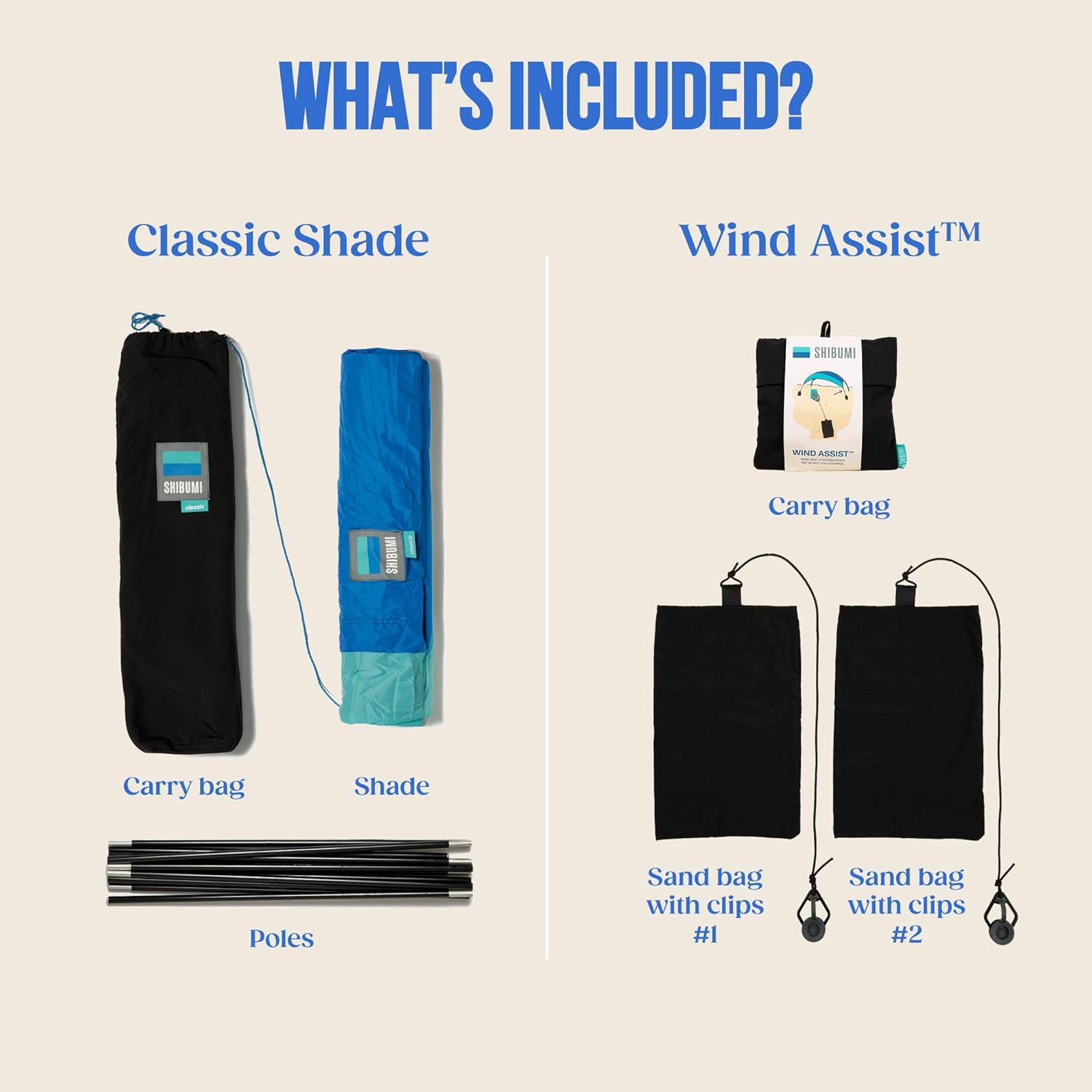
Image 2.1: All components of the Shibumi Shade, including the canopy, poles, carrying bag, and Wind Assist accessory.
3. Setup Instructions
Setting up your Shibumi Shade is designed to be quick and easy, typically taking around 3 minutes with one person. Follow these steps:
- Connect the Poles: Assemble the collapsible aluminum poles by connecting the segments until they form two long, flexible poles.
- Lay Out the Canopy: Spread the Shibumi Shade canopy flat on the sand, ensuring the side with the logo faces upwards. Position it so the open end faces the direction of the wind.
- Thread the Canopy: Thread each assembled pole through the sleeves located along the edges of the canopy.
- Plant the Poles: Insert the pointed ends of the poles firmly into the sand, ensuring they are at least 6 inches deep. Angle the poles to create the desired arch for the canopy.
- Fill Sandbags: Locate the sandbags attached to the corners of the canopy. Fill these bags with sand to anchor the shade.
- Secure Straps: Wrap and snap the straps around the poles to secure the canopy in place. Adjust the tension by moving the sandbags further out or closer in, depending on wind conditions and desired shade area.
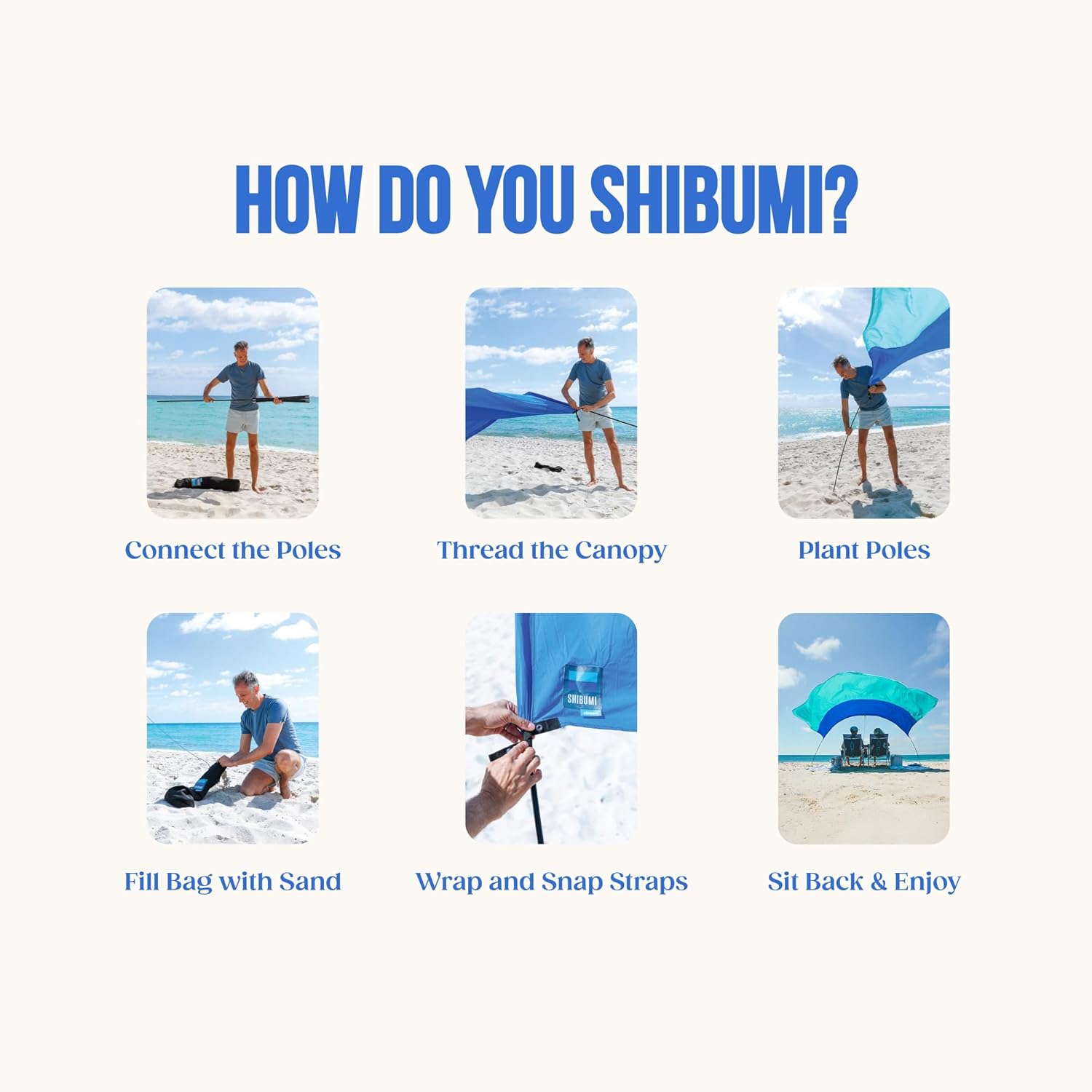
Image 3.1: Visual steps for setting up the Shibumi Shade.
Using the Wind Assist Accessory (for Low Wind)
If there is minimal wind (less than 3 mph), the included Wind Assist accessory can be used to create a stable, tent-like shape:
- Attach Clips: Open the clips on the Wind Assist sandbags and securely attach them to the canopy corners.
- Fill Sandbags: Fill the attached sandbags with sand.
- Pull Taut: Pull the sandbags taut to create tension and form a stable, tent-like structure, providing reliable shade even without strong breezes.

Image 3.2: Instructions for deploying the Wind Assist accessory.
Setup Video Guide
Video 3.1: A quick setup guide for the Shibumi Shade, demonstrating its lightweight and easy assembly.
4. Operating Instructions
The Shibumi Shade is designed to harness wind power for optimal performance. It provides 150 square feet of UPF 50+ sun protection, comfortably accommodating up to 8 people and beach gear.
- Wind-Powered Stability: The canopy is engineered to float effortlessly on the ocean breeze with as little as 3 mph of wind. This design prevents it from breaking or blowing away in typical beach conditions.
- Adjusting for Sun: As the sun moves throughout the day, you may need to slightly reposition the poles or adjust the tension of the sandbags to maximize your shaded area.
- Quiet Canopy: The canopy features a specialized fabric designed to minimize flapping noise, ensuring a peaceful and relaxing experience.
Video 4.1: A short clip demonstrating the Shibumi Shade's performance in windy conditions.
Video 4.2: A brief demonstration of how the Shibumi Shade utilizes the breeze for optimal shade.
5. Maintenance
- Cleaning: After each use, especially in saltwater environments, rinse the canopy and poles with fresh water to remove sand and salt residue. Allow all components to air dry completely before packing away to prevent mildew and corrosion.
- Storage: Store the Shibumi Shade in its carrying bag in a cool, dry place away from direct sunlight when not in use. Ensure poles are fully collapsed and the canopy is neatly folded to prolong product life.
- Inspection: Periodically inspect the canopy fabric for any tears or damage, and check the poles for any signs of wear or bending. Address any issues promptly to maintain optimal performance.
6. Troubleshooting
- Shade Not Standing Up: Ensure the open end of the canopy is facing directly into the wind. If wind is too low, deploy the Wind Assist accessory as described in Section 3. Make sure sandbags are adequately filled and taut.
- Canopy Flapping Excessively: Check that the straps are securely fastened around the poles and that the sandbags are providing sufficient tension. Adjust the angle of the poles to optimize wind flow.
- Poles Not Stable: Ensure the poles are planted at least 6 inches deep into the sand. In very soft sand, try to find a firmer spot or dig deeper.
Takedown Video Guide
Video 6.1: A demonstration of how to efficiently take down and pack the Shibumi Shade.
7. Specifications
| Feature | Specification |
|---|---|
| Brand | Shibumi Shade |
| Model | Shibumi Shade |
| Material | Aluminum (Poles), 40% Ocean-Bound Recycled Plastic Bottles (Canopy) |
| Color | Royal Blue, Teal |
| Item Weight | 4 Pounds |
| Product Dimensions | 180"L x 120"W x 78"H (15 ft L x 10 ft W x 6.5 ft H) |
| Ultraviolet Light Protection | UPF 50+ |
| Water Resistance Level | Water Resistant |
| Floor Area | 150 Square Feet |
8. Safety Information
- Ensure the Shibumi Shade is set up in an area with adequate wind for proper function.
- Do not use in extreme wind conditions.
- Keep clear of open flames and heat sources.
- Always follow included instructions for setup, use, and dismantling.
- This product is made from recycled materials; consider this when disposing of it.
9. Warranty and Support
For warranty information or product support, please contact Shibumi Shade, Inc. directly. Refer to the product packaging or the official Shibumi Shade website for the most current contact details and warranty policies.