1. Introduction
This manual provides essential information for the safe and effective use of the Generic R30-040 Resettable Fuse. Please read these instructions carefully before installation and operation. Keep this manual for future reference.
2. Safety Information
Warning: Electrical components can cause injury or death if not handled properly. Always disconnect power before installing or servicing fuses. Consult a qualified electrician if you are unsure about any procedures.
- Ensure the fuse rating matches the circuit requirements.
- Do not use damaged fuses.
- Avoid touching live electrical parts.
- Store fuses in a dry, non-conductive environment.
3. Product Overview
The Generic R30-040 is a radial lead resettable fuse designed to protect electronic circuits from overcurrent conditions. Unlike traditional fuses that must be replaced after tripping, a resettable fuse (also known as a Polymeric Positive Temperature Coefficient, or PPTC device) automatically resets itself once the fault condition is removed and power is cycled or the component cools down.
This package contains 20 pieces of 0.4A, 30V resettable fuses.
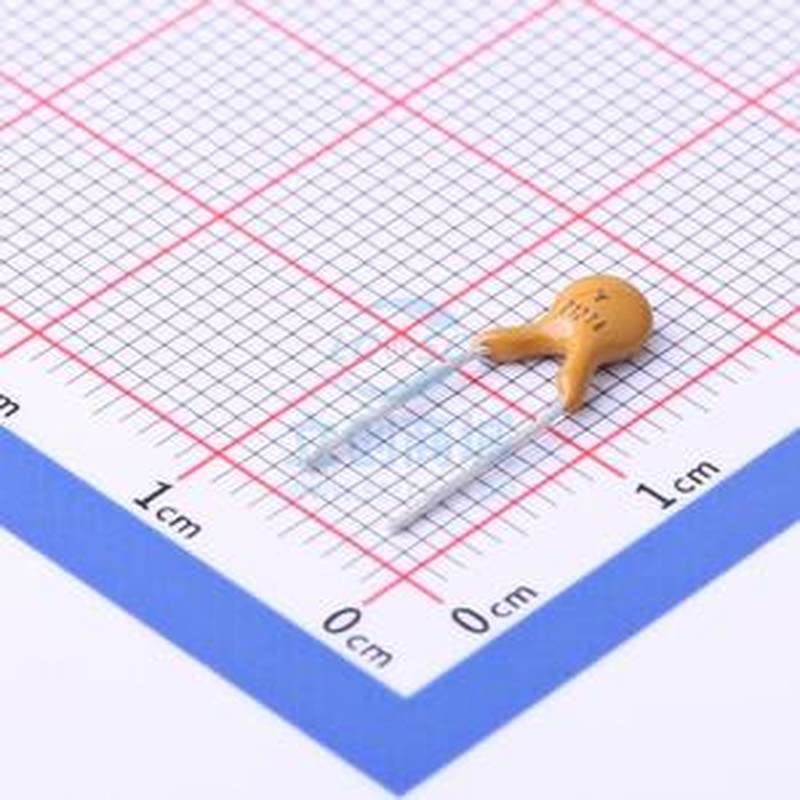
Figure 3.1: Generic R30-040 Resettable Fuse (Front View). This image shows a single R30-040 resettable fuse with radial leads, placed on a grid background for scale. The fuse body is small and typically brown or yellow.
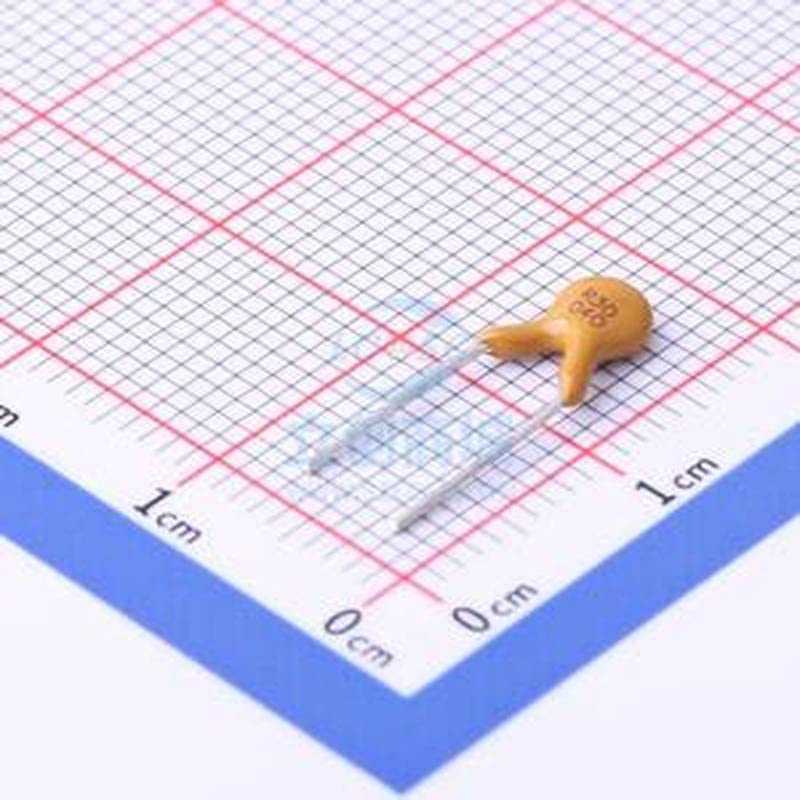
Figure 3.2: Generic R30-040 Resettable Fuse (Top View with Marking). This image displays another view of the R30-040 resettable fuse, clearly showing the "R30-040" marking on its body. It is also positioned on a grid for precise size measurement.
4. Setup and Installation
- Circuit Analysis: Before installation, ensure the circuit's operating current and voltage are within the fuse's specifications (0.4A, 30V).
- Power Disconnection: Always disconnect all power to the circuit before handling or installing the fuse.
- Component Placement: Identify the appropriate location on the circuit board or within the circuit where overcurrent protection is required.
- Lead Insertion: Insert the radial leads of the R30-040 fuse into the designated holes. Ensure correct polarity if applicable, though for most fuses, orientation does not matter.
- Soldering: Securely solder the leads to the circuit board. Use appropriate soldering techniques to avoid overheating the component.
- Inspection: After soldering, visually inspect the connections for cold solder joints or shorts.
- Power Reconnection: Once installation is complete and verified, reconnect power to the circuit.
5. Operating Principles
The R30-040 resettable fuse operates based on the PPTC effect. Under normal operating conditions, the fuse has a very low resistance, allowing current to flow freely. If an overcurrent condition occurs (e.g., a short circuit or overload), the internal temperature of the fuse increases. As the temperature rises, the polymeric material within the fuse expands, causing its resistance to increase dramatically. This high resistance effectively limits the current to a safe level, protecting the circuit.
Once the fault condition is removed and the fuse cools down, the polymeric material contracts, and its resistance returns to a low state, allowing the circuit to resume normal operation without manual replacement of the fuse.
6. Maintenance
Resettable fuses generally require no routine maintenance. However, it is good practice to:
- Keep the surrounding area of the fuse clean and free from dust or debris to ensure proper heat dissipation.
- Avoid exposing the fuse to extreme temperatures or humidity outside its specified operating range.
- Periodically inspect the fuse and its connections for any signs of physical damage or degradation, especially after a fault event.
7. Troubleshooting
Fuse Trips Frequently:
- Overcurrent Condition: The circuit may be drawing more current than the fuse's rating (0.4A). Investigate the load connected to the circuit.
- Short Circuit: A short circuit might be present in the protected circuit. Disconnect power and check for shorts.
- Incorrect Fuse Rating: Ensure the R30-040 fuse is appropriate for the application. A higher rated fuse might be needed if the normal operating current is close to 0.4A, but always ensure it's safe for the components.
- Ambient Temperature: High ambient temperatures can cause the fuse to trip at lower currents. Ensure adequate ventilation.
Fuse Does Not Reset:
- Persistent Fault: The overcurrent condition or short circuit may still be present. The fuse will not reset until the fault is cleared.
- Insufficient Cooling: The fuse may not have cooled down sufficiently. Allow more time for it to cool, or ensure better ventilation.
- Damage: In rare cases, extreme or prolonged overcurrent events can permanently damage a resettable fuse. If the fuse does not reset after clearing the fault and allowing sufficient cooling, it may need to be replaced.
8. Specifications
| Parameter | Value |
|---|---|
| Model Number | R30-040 |
| Rated Current (Ihold) | 0.4 A |
| Maximum Voltage (Vmax) | 30 V |
| Type | Radial Lead Resettable Fuse (PPTC) |
| Quantity | 20 Pcs |
| Manufacturer | Generic |
| Manufacturer Reference | FJGnmicbzC_28977 |
9. Warranty and Support
As this is a generic component, specific warranty information may vary depending on the retailer or distributor. Please refer to your purchase documentation for details regarding warranty and return policies.
For technical support or inquiries, please contact the vendor or manufacturer directly using the contact information provided at the time of purchase.