
1. Product Overview
The AUTODUNK 1-1/8" x 30' Kinetic Recovery Tow Rope with 2 Soft Shackles is engineered for effective and safe vehicle recovery in challenging off-road conditions. Unlike traditional tow straps, this kinetic rope utilizes elasticity to store and release kinetic energy, providing a smoother and more controlled pull, significantly reducing shock loads on both the recovery and recovered vehicles. It is designed for versatility across various vehicle types, including trucks, SUVs, and off-road vehicles.
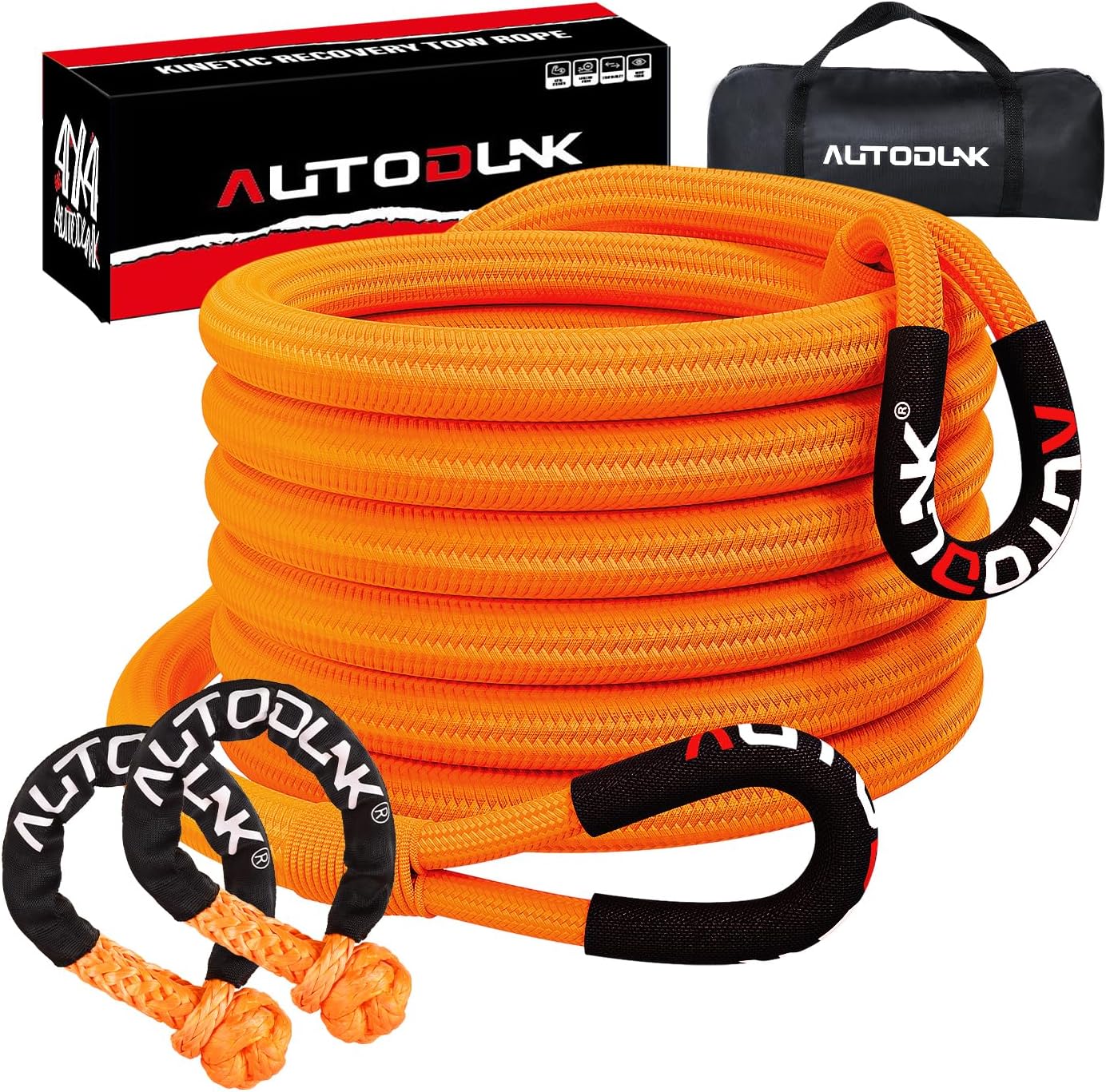
Figure 1: Complete AUTODUNK Kinetic Recovery Kit.
2. Key Features
- Enhanced Strength and Durability: Constructed with a maximum breaking strength of 48,600lbs, ensuring reliable performance in demanding recovery scenarios.
- Improved Safety Features: Offers superior elasticity, boasting up to 35% extension capability, which allows for smoother and more controlled towing, reducing sudden jolts.
- Enhanced Versatility: Suitable for a wide range of vehicles including trucks, SUVs, and off-road vehicles.
- Increased Traction: Helps vehicles gain traction in mud, sand, snow, or other difficult terrains.

Figure 2: Kinetic rope elasticity and vehicle compatibility.
3. Package Contents
Your AUTODUNK Kinetic Recovery Kit includes:
- 1 x 1-1/8" x 30' Kinetic Recovery Tow Rope (Orange)
- 2 x Soft Shackles (Orange/Black)
- 1 x Carry Bag (Black)
4. Setup
Proper setup is crucial for safe and effective recovery. Always ensure all connections are secure before initiating a pull.
- Identify Recovery Points: Locate suitable recovery points on both the recovery vehicle and the stuck vehicle. These are typically reinforced points designed for towing or recovery, such as tow hooks, hitch receivers, or dedicated recovery points.
- Attach Soft Shackles: Use the provided soft shackles to connect the kinetic rope to the recovery points. Soft shackles are designed to be strong yet flexible, reducing the risk of damage to vehicles or injury from flying metal parts. To attach, pass the soft shackle loop through the recovery point, then feed the knotted end of the shackle through its own loop and pull tight.
- Connect Rope: Attach one end of the kinetic rope to the soft shackle on the recovery vehicle and the other end to the soft shackle on the stuck vehicle. Ensure the rope is not twisted.
- Lay Out Rope: Lay the kinetic rope out straight between the two vehicles, ensuring there is sufficient slack on the ground. This slack is essential for building kinetic energy during the recovery process.

Figure 3: Attaching a soft shackle to a vehicle's recovery point.

Figure 4: Benefits of soft shackles for vehicle recovery.
5. Operating Instructions
The kinetic recovery rope works by building momentum in the recovery vehicle, which then stretches the rope, storing energy. This stored energy is then released to gently pull the stuck vehicle free.
- Clear the Area: Ensure all bystanders are at a safe distance from the recovery operation.
- Recovery Vehicle Position: The recovery vehicle should be positioned in line with the stuck vehicle, allowing for a straight pull.
- Initiate Pull: The driver of the recovery vehicle should slowly accelerate, taking up the slack in the rope. Once the rope begins to stretch, continue to accelerate smoothly. The rope will stretch and store kinetic energy.
- Release Energy: As the rope reaches its maximum stretch, the stored energy will be released, providing a powerful yet smooth tug that helps to free the stuck vehicle.
- Communication: Maintain clear communication between both drivers throughout the process.
6. Safety Precautions
Always prioritize safety during any recovery operation. Failure to follow these guidelines can result in serious injury or property damage.
- Inspect Equipment: Before each use, thoroughly inspect the kinetic rope and soft shackles for any signs of wear, fraying, cuts, or damage. Do not use damaged equipment.
- Proper Recovery Points: Only attach the rope to designated recovery points on vehicles. Never attach to bumpers, axles, or other non-reinforced parts.
- Clear Zone: Establish a clear safety zone around the recovery area. No one should be standing near the rope or vehicles during a pull.
- Avoid Over-Stretching: While the rope is designed to stretch, avoid excessive speed or sudden jerks that could over-stress the rope or vehicle components.
- Vehicle Weight: Ensure the kinetic rope's breaking strength is appropriate for the weight of the vehicles involved.
- Secure Connections: Double-check all shackle and rope connections before and during the recovery attempt.
- Wear Protection: Consider wearing gloves and eye protection during setup and operation.
7. Maintenance
Proper maintenance will extend the life of your kinetic recovery rope and shackles.
- Cleaning: After use, especially in muddy or sandy conditions, rinse the rope and shackles with fresh water to remove dirt and debris. Allow them to air dry completely before storage.
- Inspection: Regularly inspect the rope for any signs of abrasion, cuts, or damage to the fibers. Check soft shackles for wear on the protective sleeve and the knot.
- Storage: Store the rope and shackles in the provided carry bag in a cool, dry place, away from direct sunlight, chemicals, and sharp objects.
8. Troubleshooting
If the recovery attempt is unsuccessful, consider the following:
- Insufficient Momentum: The recovery vehicle may not have built enough speed or momentum to adequately stretch the rope and generate sufficient kinetic energy. Try increasing the approach speed slightly, but always within safe limits.
- Improper Connection: Re-check all connections to ensure they are secure and properly attached to designated recovery points.
- Obstruction: The stuck vehicle might be high-centered or have an obstruction preventing movement. Assess the situation and clear any obstacles if safe to do so.
- Vehicle Weight Mismatch: Ensure the recovery vehicle is heavy enough relative to the stuck vehicle to perform the recovery safely and effectively.
9. Specifications
| Attribute | Detail |
|---|---|
| Size | 1-1/8"x30FT Rope + 2pcs Soft Shackle |
| Material | Nylon66 |
| Color | Orange |
| Brand | AUTODUNK |
| Vehicle Service Type | SUV, Truck |
| Load Capacity | 48,600 Pounds |
| Fastener Type | Soft Shackle |
| Product Dimensions | 360"L x 1"W |
| Item Weight | 9.94 pounds |

Figure 5: Rope construction detail.

Figure 6: Soft shackle specifications and features.
10. Warranty and Support
AUTODUNK stands behind the quality of its products. Your purchase is covered by:
- 30-Day Money-Back Guarantee: If you are not 100% happy with your purchase, you may return it for a full refund within 30 days.
- 12-Month Limited Warranty: This product comes with a 12-month limited warranty covering manufacturing defects.
- 7*24 Online Customer Support: For any questions, concerns, or support needs, please contact our customer service team available 24/7.
Please refer to your purchase documentation for specific contact details or visit the official AUTODUNK store page.