
Science4you 926072.004
Science4you Super Rocket Launch Instruction Manual
Model: 926072.004
Product Overview
The Science4you Super Rocket Launch kit is a comprehensive STEM (Science, Technology, Engineering, and Mathematics) educational toy designed for aspiring space engineers. This kit allows users to develop, test, and launch their own incredible rockets, exploring principles of physics and engineering through hands-on experiments.
It includes 25 components and an educational book detailing 13 distinct experiments, providing a rich learning experience for children aged 8 and above.

Figure 1: The Super Rocket Launch kit packaging, highlighting 13 experiments and 25 contents, with an illustration of a rocket and an astronaut.
Safety Information
WARNING: This product is not suitable for children under 36 months due to small parts which may present a choking hazard. Adult supervision is recommended during all experiments, especially those involving liquids or propulsion.
- Always read the educational book thoroughly before beginning any experiment.
- Ensure a clear and safe area for rocket launches, away from people, animals, and fragile objects.
- Wear appropriate safety gear if recommended for specific experiments (e.g., eye protection).
- Keep all components and chemicals out of reach of very young children.
Kit Contents and Setup
Before starting, unpack all components and verify against the list provided in the educational book. Familiarize yourself with each part.

Figure 2: An assortment of the 25 kit components, including cardboard rocket pieces, plastic bottles, straws, balloons, and a funnel, ready for assembly and experimentation.
Initial Assembly (Rocket Structure)
- Carefully detach all cardboard rocket pieces from their sheets.
- Follow the step-by-step instructions in the educational book to assemble the main rocket body and fins. Pay close attention to the interlocking tabs and slots.
- Apply any provided stickers or decorative elements as instructed to complete the rocket's appearance.

Figure 3: Children engaged in the assembly process of the rocket, demonstrating the hands-on nature of the kit.
Operating and Experiments
The kit includes 13 unique experiments designed to teach various scientific principles related to rocketry and propulsion. Each experiment is detailed in the accompanying educational book.
Performing a Rocket Launch
One of the primary experiments involves launching the assembled rocket. This typically uses a combination of water and air pressure or chemical reactions to generate thrust.
- Prepare the launch area: Choose an open, outdoor space free from obstacles.
- Follow the specific instructions in the educational book for preparing the rocket with the necessary liquids or components.
- Securely place the rocket on its launch mechanism.
- Initiate the launch sequence as described in the manual, ensuring all participants are at a safe distance.

Figure 4: A child preparing to launch the water-powered rocket using a pump, demonstrating an outdoor experiment.
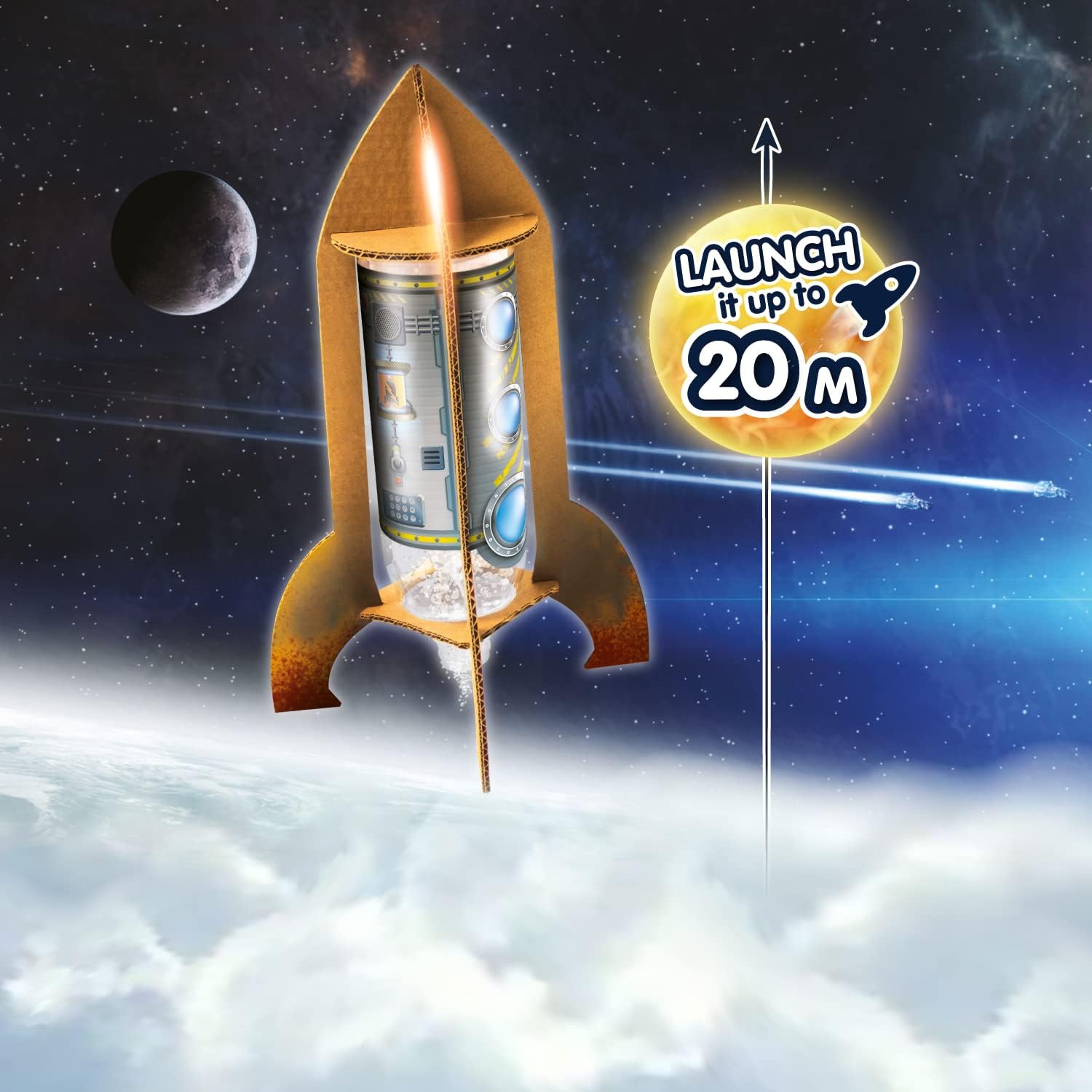
Figure 5: An illustrative depiction of the rocket's potential launch height, indicating it can reach up to 20 meters.
Other Experiments
The kit encourages exploration beyond just rocket launches. Experiments may include:
- Investigating different propulsion methods.
- Understanding aerodynamics and rocket stability.
- Exploring chemical reactions that produce gas.

Figure 6: Children performing an indoor experiment, showcasing the versatility of the kit beyond just rocket launches.
Maintenance
Proper care and maintenance will extend the life of your Science4you Super Rocket Launch kit components.
- Cleaning: After each experiment, especially those involving liquids, thoroughly clean all reusable plastic components with warm, soapy water. Rinse well and allow to air dry completely.
- Storage: Store all components in their original packaging or a designated container in a cool, dry place, away from direct sunlight and extreme temperatures.
- Inspection: Periodically inspect cardboard components for wear and tear. While some parts are designed for repeated use, excessive moisture or rough handling may degrade them.
Troubleshooting
If you encounter issues during assembly or experimentation, consider the following common solutions:
- Rocket Not Launching:
- Ensure the cork stopper (if used) is securely fitted but not overly tight, allowing pressure to build and release.
- Verify sufficient pressure is being applied (for water rockets).
- Check for any leaks in the system that might prevent pressure buildup.
- Parts Not Fitting:
- Refer to the educational book's assembly diagrams. Ensure you are using the correct pieces and orienting them correctly.
- Do not force components; gentle pressure should be sufficient for assembly.
- Missing Components:
- Double-check the packaging and all internal compartments.
- If a component is genuinely missing, contact Science4you customer support (see Support section).
Specifications
| Feature | Detail |
|---|---|
| Brand | Science4you |
| Model Number | 926072.004 |
| Product Dimensions | 8 x 29.4 x 38.2 cm |
| Item Weight | 586 g |
| Recommended Age | 8 years and up (Manufacturer recommended age: 3 years and up, but product description states 8+) |
| Educational Objective | Spatial Awareness, STEM learning |
| Batteries Required? | No |
| Material Type(s) | Plastic, Cardboard |
| Number of Experiments | 13 |
| Number of Contents | 25 |
| Release Date | 25 July 2022 |
Note: The manufacturer recommended age is 3 years and up, but the product title and description suggest suitability for ages 8+. Always consider the specific child's developmental stage and supervise accordingly.
Warranty and Support
Specific warranty information for the Science4you Super Rocket Launch kit is not provided in the product details. For any inquiries regarding product defects, missing parts, or operational assistance, please contact the manufacturer, Science4you, directly through their official website or the retailer from whom the product was purchased.
Always retain your proof of purchase for any warranty claims or support requests.
Ask a question about this manual
Ask about setup, troubleshooting, compatibility, parts, safety, or missing instructions. Manuals+ will review the question and use this page’s manual context to help answer it.