
shinto E2101
Shinto Saw Rasp E2101 User Manual
Model: E2101 | Brand: Shinto
Introduction
Thank you for choosing the Shinto Saw Rasp E2101. This versatile hand tool is engineered for precision and efficiency in various crafting and woodworking projects. Designed with a unique blade structure, it offers superior performance for shaping, smoothing, and removing material from a wide range of surfaces. This manual provides essential information for the safe and effective use, maintenance, and care of your Shinto Saw Rasp.

Figure 1: Shinto Saw Rasp E2101 with accompanying sandpaper sheets.
Product Overview and Features
The Shinto Saw Rasp E2101 is distinguished by its innovative design, featuring a double-sided blade with different tooth configurations for varied applications.
- Dual-Sided Blade: One side features a coarse tooth pattern (10 teeth per inch) for rapid material removal, while the other side has a finer tooth pattern (24 teeth per inch) for smoother finishing.
- Versatile Material Compatibility: Effective on a wide range of materials including metals (iron, copper, aluminum, lead), various types of lumber (ordinary, plywood, laminated plywood), plastic materials, plaster boards, and leather.
- Included Accessories: Comes with sandpaper and rasp foam for enhanced finishing capabilities.
- Durable Construction: Blade material is aluminum and foam, designed for longevity and consistent performance.
- Ergonomic Design: The overall length of 14.96 inches (380mm) and a blade length of 9.84 inches (250mm) provide comfortable handling and maneuverability.

Figure 2: The Shinto Saw Rasp E2101 features a blade length of 9.84 inches (250mm).
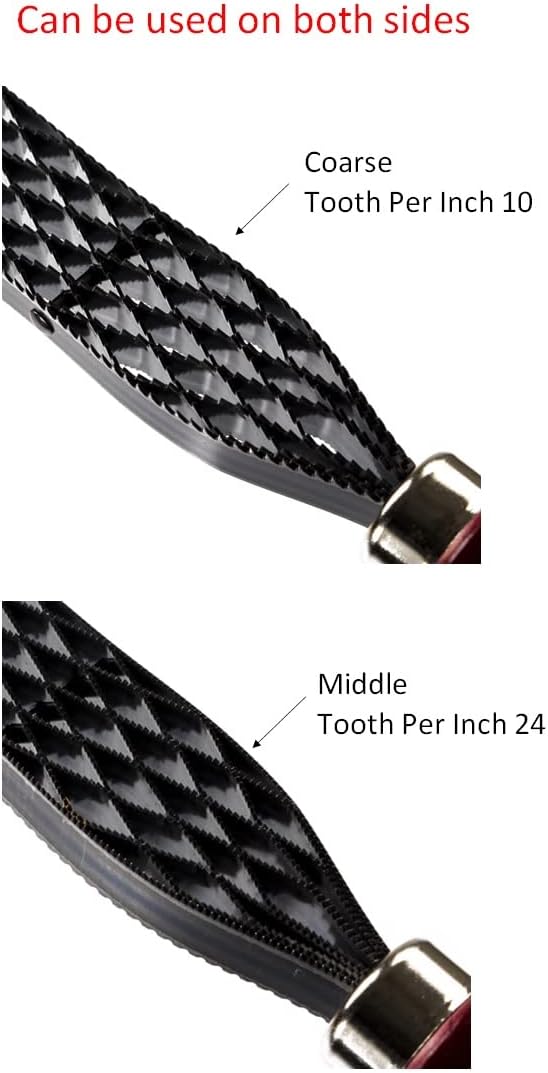
Figure 3: Detail of the coarse (10 TPI) and middle (24 TPI) tooth patterns on the rasp blade.
Setup
The Shinto Saw Rasp E2101 is a manual tool and requires minimal setup.
- Unboxing: Carefully remove the rasp and any included accessories (sandpaper, rasp foam) from the packaging.
- Inspection: Before first use, inspect the rasp for any signs of damage or manufacturing defects. Ensure the handle is securely attached to the blade.
- Familiarization: Identify the coarse side (larger, more aggressive teeth) and the finer side (smaller, denser teeth) of the blade.
Operating Instructions
Using the Shinto Saw Rasp effectively involves understanding its dual-sided nature and applying appropriate technique for different materials and desired finishes.
General Usage Tips:
- Always secure your workpiece firmly to prevent movement during rasping.
- Apply consistent, moderate pressure. Let the tool do the work; excessive force is not necessary and can lead to less control.
- Use long, even strokes across the material.
- Periodically clear accumulated material from the rasp teeth using a stiff brush or a piece of wood to maintain cutting efficiency.
Working with Different Materials:
The Shinto Saw Rasp is highly effective on a variety of materials:
- Wood and Plywood: For rapid shaping and removal of wood, use the coarse side (10 TPI). For finer shaping, smoothing curves, or preparing for sanding, switch to the middle side (24 TPI).
- Metals (Iron, Copper, Aluminum, Lead): The rasp can be used for shaping and deburring softer metals. Start with the coarse side for initial shaping, then refine with the middle side.
- Plastics, Plaster Boards, Leather: The rasp foam and sandpaper included can be used in conjunction with the rasp for finishing these materials. The rasp itself can be used for initial shaping and material removal.
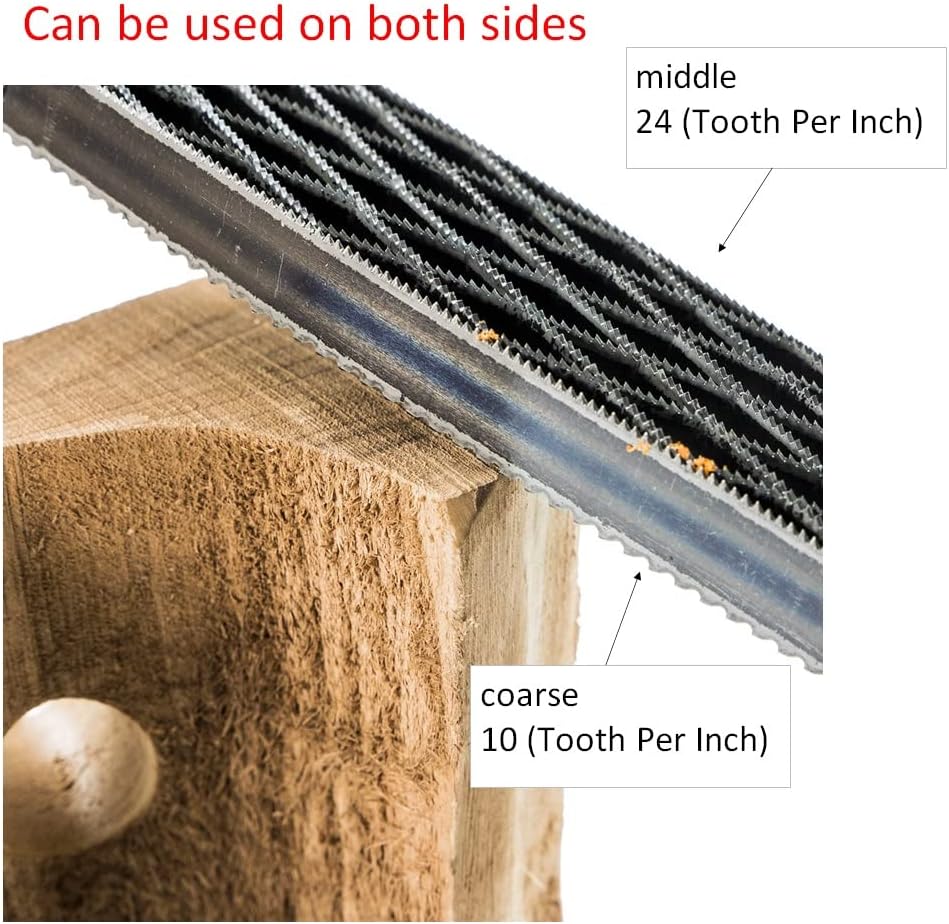
Figure 4: Demonstrating the use of both coarse and middle sides on a wooden workpiece.

Figure 5: The rasp's design allows for effective material removal from various surfaces.
Maintenance
Proper maintenance will ensure the longevity and optimal performance of your Shinto Saw Rasp.
- Cleaning: After each use, clean the teeth of the rasp to remove any accumulated dust, shavings, or debris. A stiff brush (like a wire brush for metal, or a nylon brush for wood) is recommended. For stubborn clogs, a pick or a piece of scrap wood can be used to dislodge material.
- Storage: Store the rasp in a dry environment to prevent rust. Consider using a tool roll or a designated drawer to protect the teeth from damage and to prevent them from damaging other tools.
- Rust Prevention: If storing for extended periods or in humid conditions, apply a thin coat of rust-preventative oil to the blade.
- Handle Care: Ensure the handle remains secure. If it loosens, tighten or re-secure as necessary.

Figure 6: Regular cleaning of the blade's unique tooth pattern is crucial for maintaining performance.
Troubleshooting
While the Shinto Saw Rasp is a simple and robust tool, you might encounter minor issues.
| Problem | Possible Cause | Solution |
|---|---|---|
| Rasp not cutting effectively / feels dull | Teeth are clogged with material. | Clean the teeth thoroughly with a stiff brush or pick. |
| Scratches or uneven finish | Using the coarse side for finishing; inconsistent pressure; debris on workpiece. | Switch to the finer side for finishing. Apply even pressure. Ensure workpiece is clean. |
| Rust spots on blade | Exposure to moisture. | Clean off rust with fine abrasive (e.g., steel wool) and apply rust-preventative oil. Store in a dry place. |
Specifications
| Feature | Detail |
|---|---|
| Model Number | E2101 |
| Brand | Shinto |
| Blade Length | 9.84 inches (250mm) |
| Overall Length | 14.96 inches (380mm) |
| Blade Material | Aluminum, Foam |
| Handle Material | Plastic |
| Tooth Configuration | Coarse: 10 teeth per inch; Middle: 24 teeth per inch |
| Power Source | Manual |
| Item Weight | 8.8 ounces |
| Included Components | Shinto Saw Rasp, Sandpaper, Rasp Foam |

Figure 7: Comparison table of Shinto Saw Rasp models, including blade length and tooth combinations.
Safety Information
Always follow these safety guidelines when using the Shinto Saw Rasp:
- Eye Protection: Always wear safety glasses or goggles to protect your eyes from flying debris.
- Hand Protection: Consider wearing gloves to protect your hands from splinters and sharp edges, especially when working with wood or metal.
- Secure Workpiece: Ensure your workpiece is securely clamped or held to prevent it from slipping, which could lead to injury.
- Proper Grip: Maintain a firm and controlled grip on the rasp handle.
- Clear Work Area: Keep your work area clean and free of clutter to prevent accidents.
- Tool Condition: Do not use the rasp if the handle is loose or the blade is damaged.
- Children and Pets: Keep the tool out of reach of children and pets.
Warranty and Support
For information regarding warranty coverage or technical support for your Shinto Saw Rasp E2101, please refer to the manufacturer's official website or contact their customer service directly. Keep your purchase receipt as proof of purchase.
For additional resources and tips on using your Shinto Saw Rasp, you may find helpful information on woodworking forums and instructional videos online.
Ask a question about this manual
Ask about setup, troubleshooting, compatibility, parts, safety, or missing instructions. Manuals+ will review the question and use this page’s manual context to help answer it.