
1. Introduction
This manual provides essential information for the safe and efficient operation, maintenance, and troubleshooting of your Kingsman KING1000 Portable Electric Generator. Please read this manual thoroughly before operating the generator to ensure proper use and to prevent injury or damage.
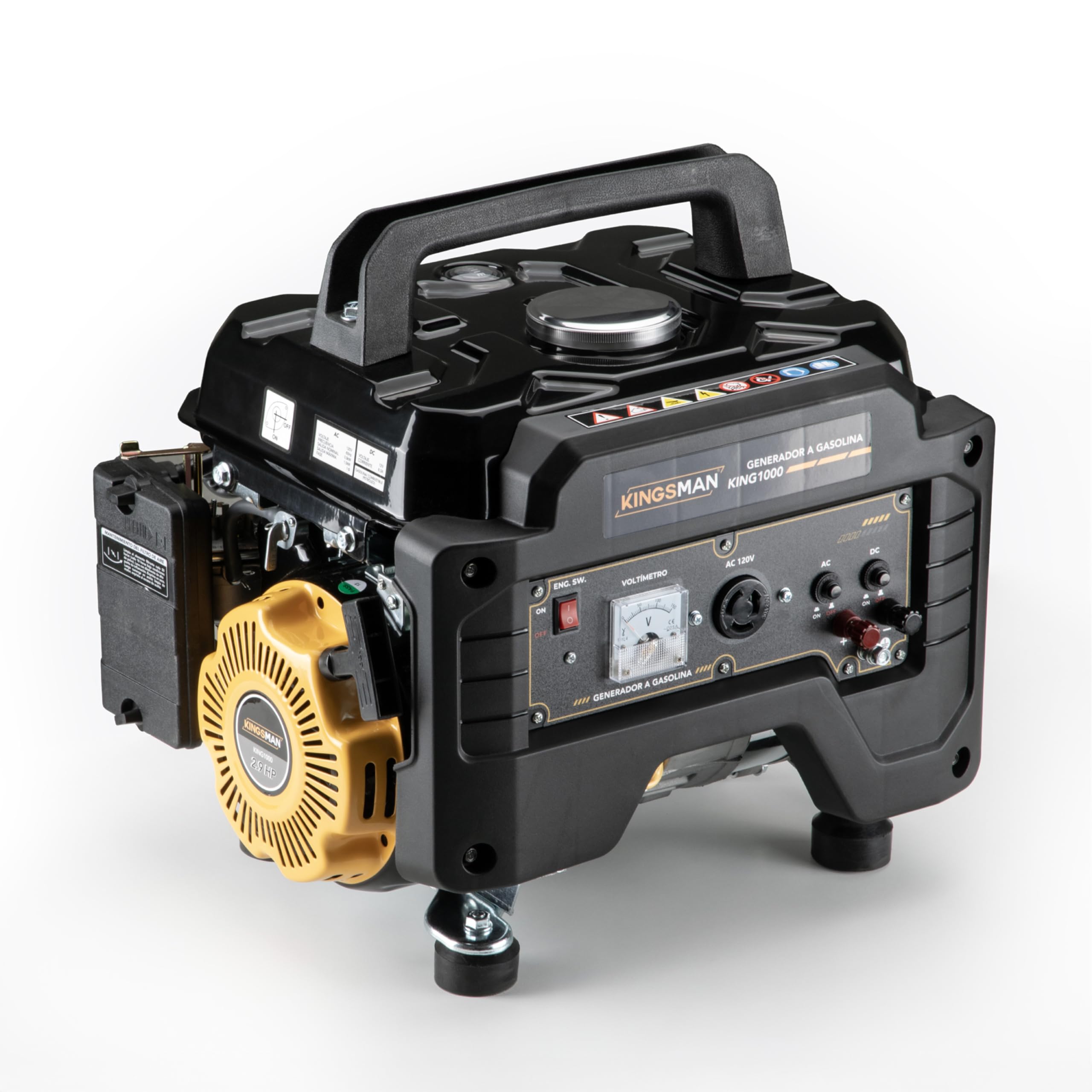
Image 1.1: Kingsman KING1000 Portable Electric Generator. This image displays the overall design of the generator, highlighting its compact and portable nature.
2. Safety Instructions
Always follow these safety precautions to reduce the risk of injury or property damage.
- Carbon Monoxide Hazard: Never operate the generator indoors or in enclosed spaces. Generators produce carbon monoxide, a colorless, odorless, poisonous gas that can cause death. Operate only outdoors and far from windows, doors, and vents.
- Fire Hazard: Gasoline is highly flammable. Refuel in a well-ventilated area with the engine off and cool. Do not smoke while refueling. Store gasoline in approved containers away from ignition sources.
- Electrical Shock Hazard: Do not operate the generator in wet conditions. Ensure all electrical connections are secure and dry. Never connect the generator directly to your home's electrical system without a transfer switch installed by a qualified electrician.
- Hot Surfaces: The generator's engine and muffler become very hot during operation and remain hot for some time after shutdown. Avoid contact with hot surfaces to prevent burns.
- Keep Children Away: Do not allow children or pets near the generator during operation.
- Proper Ventilation: Ensure adequate airflow around the generator to prevent overheating.
3. Components Overview
Familiarize yourself with the main components of your Kingsman KING1000 generator:
- Fuel Tank: Holds gasoline.
- Fuel Cap: Seals the fuel tank.
- Engine: 2.9 HP 4-stroke engine.
- Recoil Starter: Manual pull-start mechanism.
- Control Panel: Includes outlets, voltmeter, engine switch, and circuit breakers.
- Air Filter: Protects the engine from dust and debris.
- Muffler: Reduces engine noise and directs exhaust gases.
- Oil Fill Cap/Dipstick: For adding and checking engine oil.
- Spark Plug: Ignites the fuel-air mixture.

Image 3.1: Close-up of the generator's control panel and handle. This image highlights the engine switch, voltmeter, AC 120V outlet, and DC outlets.
4. Setup
4.1 Unpacking
Carefully remove the generator from its packaging. Inspect for any shipping damage. Ensure all included components are present: spark plug wrench, grounded plug, and jumper cable clamp.
4.2 Adding Engine Oil
- Place the generator on a level surface.
- Unscrew the oil fill cap/dipstick.
- Add 0.37 liters of recommended engine oil (10W30 or 15W40) into the oil reservoir. Do not overfill.
- Replace the oil fill cap/dipstick securely.
4.3 Adding Fuel
WARNING: Ensure the engine is off and cool before adding fuel. Do not smoke or use open flames near the generator.
- Unscrew the fuel cap.
- Carefully pour fresh, unleaded gasoline into the fuel tank, up to the indicated fill level. The tank capacity is 6 liters.
- Do not overfill. Leave space for fuel expansion.
- Securely replace the fuel cap.
5. Operating Instructions
5.1 Starting the Generator
- Ensure the generator is on a level surface outdoors, away from any enclosed areas.
- Turn the engine switch to the 'ON' position.
- If the engine is cold, move the choke lever to the 'CHOKE' position.
- Pull the recoil starter handle firmly and smoothly until the engine starts. Do not let the rope snap back.
- Once the engine starts, gradually move the choke lever to the 'RUN' position.

Image 5.1: A hand pulling the recoil starter cord to manually start the generator. This illustrates the manual starting process.
5.2 Connecting Electrical Devices
After the generator has started and is running smoothly:
- Ensure the total wattage of connected devices does not exceed the generator's rated output of 900W.
- Plug your 110V AC devices into the appropriate outlets on the control panel.
- For DC devices, use the DC outlets.
- Monitor the voltmeter to ensure stable output.
5.3 Stopping the Generator
- Disconnect all electrical devices from the generator.
- Turn the engine switch to the 'OFF' position.
- Allow the engine to cool completely before storage or maintenance.
6. Maintenance
Regular maintenance ensures the longevity and reliable performance of your generator.
6.1 Engine Oil Check and Change
- Check oil level before each use.
- Change oil after the first 20 hours of operation, then every 50 hours or annually.
6.2 Air Filter Cleaning
- Inspect the air filter every 25 hours of operation or more frequently in dusty conditions.
- Clean or replace the air filter as needed to maintain engine performance.
6.3 Spark Plug Maintenance
- Inspect the spark plug every 100 hours of operation.
- Clean or replace if fouled or worn. Use the provided spark plug wrench.
6.4 Storage
- For long-term storage, drain the fuel tank and carburetor, or add a fuel stabilizer.
- Change the engine oil.
- Clean the exterior of the generator.
- Store in a clean, dry, well-ventilated area, away from direct sunlight and extreme temperatures.
7. Troubleshooting
This section addresses common issues you might encounter with your generator.
| Problem | Possible Cause | Solution |
|---|---|---|
| Engine does not start | No fuel, low oil, engine switch OFF, choke incorrect, fouled spark plug | Add fuel, check oil level, turn engine switch ON, adjust choke, clean/replace spark plug |
| No power output | Circuit breaker tripped, overloaded, faulty connection | Reset circuit breaker, reduce load, check connections |
| Engine runs rough | Stale fuel, dirty air filter, incorrect spark plug gap | Use fresh fuel, clean air filter, check/adjust spark plug gap |
| Excessive noise | Loose components, damaged muffler | Tighten loose parts, inspect muffler for damage |
8. Specifications
Technical specifications for the Kingsman KING1000 Portable Electric Generator.

Image 8.1: Detailed specifications table for the Kingsman KING1000 generator, including power output, noise level, fuel and oil capacities, and continuous run time.
| Feature | Specification |
|---|---|
| Model Number | KING1000 |
| Rated Power | 900 W |
| Maximum Power | 1000 W |
| Engine Type | 2.9 HP, 4-stroke |
| Voltage | 110 Volts AC |
| Frequency | 60 Hz |
| Noise Level | 65 dB |
| Fuel Type | Gasoline |
| Fuel Tank Capacity | 6 Liters |
| Oil Capacity | 0.37 Liters |
| Continuous Run Time | Up to 9 hours |
| Dimensions (L x W x H) | 39 x 33 x 34 cm |
| Weight | 23.5 kg |
| Included Components | Spark plug wrench, grounded plug, jumper cable clamp |
9. Warranty and Support
9.1 Warranty Information
Your Kingsman KING1000 Portable Electric Generator comes with a 3-month warranty against manufacturing defects, effective from the date of delivery. This warranty covers defects in materials and workmanship under normal use. It does not cover damage resulting from misuse, neglect, unauthorized modifications, or normal wear and tear.
9.2 Customer Support
For technical assistance, warranty claims, or questions regarding your generator, please refer to the official Kingsman website or contact our customer support. For assembly support, instructional videos and contact information are available on our official channels.