
1. Introduction
Thank you for choosing the CAPFEI 51mm Bottomless Portafilter. This manual provides essential information for the proper setup, operation, maintenance, and troubleshooting of your new portafilter. Designed to enhance your espresso brewing experience, this bottomless portafilter allows for direct observation of the extraction process, aiding in the diagnosis and improvement of your technique for a more consistent and delicious espresso.
2. Compatibility
This 51mm bottomless portafilter is designed for Delonghi 2-ear coffee machines. It includes a stainless steel filter basket compatible with Delonghi's stock 51mm filter baskets.
2.1 Compatible Models:
- Delonghi ECP3420
- Delonghi BCO430
- Delonghi EC260 (e.g., EC260BK)
- Delonghi BCO420, BCO432, EC152, EC156B, ECO310, EC0311, EC330, EC330S, EC702, EC200, EC221, EC235, ECP3630, ECP3220, ECP3220W, ECP3220R, ECP3120, ECP33.21, ECP35.31, ECP36.31

Figure 2.1: Visual guide to compatible Delonghi 2-ear espresso machine models.
2.2 Incompatible Models:
- Delonghi 3-ear portafilter machines
- Delonghi Dedica EC680/685/885
- Delonghi ECMP30
- Delonghi EC9335/9665
- CASABREWS, Mr.Coffee, Gevi machines
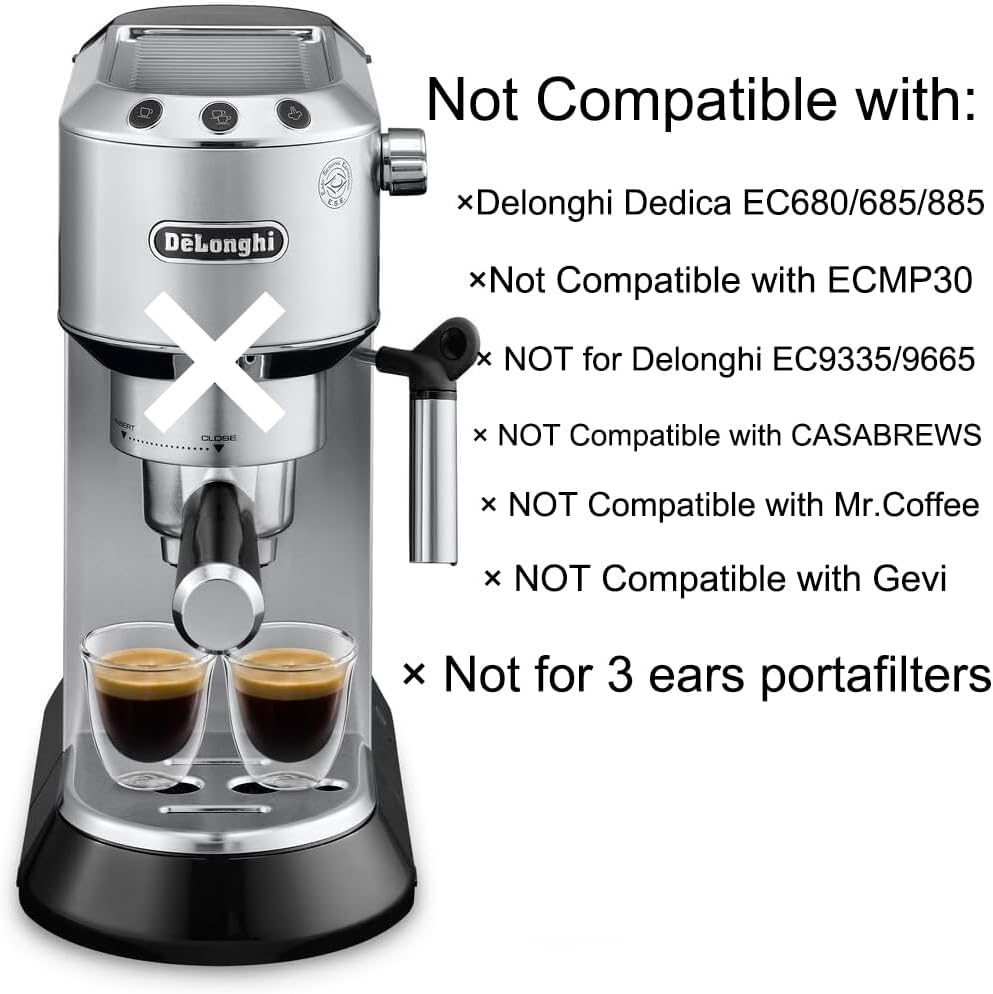
Figure 2.2: Examples of incompatible espresso machine models.
3. Setup
The CAPFEI 51mm Bottomless Portafilter comes pre-assembled with a stainless steel filter basket. No additional assembly is required before first use.
3.1 Initial Preparation:
- Unpack: Carefully remove the portafilter from its packaging.
- Inspect: Check for any visible damage or missing components.
- Clean: Before first use, wash the portafilter and basket with warm, soapy water and rinse thoroughly.
- Pre-heat: For optimal espresso extraction, it is recommended to pre-heat the portafilter by locking it into your espresso machine and running a blank shot (hot water only) through it. This ensures the portafilter is at the correct temperature, preventing heat loss from your espresso shot.

Figure 3.1: The 51mm Bottomless Portafilter with its included filter basket.
4. Operating Instructions
Using a bottomless portafilter allows you to observe the espresso extraction directly, providing valuable feedback to refine your technique. This section outlines the steps for optimal use.
4.1 Espresso Extraction Process:
- Grind Coffee: Grind your fresh coffee beans to an appropriate fineness for espresso. The ideal grind size is crucial for proper extraction.
- Dose: Fill the filter basket with the correct amount of ground coffee. Ensure the coffee is evenly distributed within the basket.
- Distribute: Use a coffee distributor tool to evenly level the coffee grounds. This helps prevent channeling.
- Tamp: Apply firm, even pressure to tamp the coffee grounds. An even tamp creates a uniform puck, essential for consistent extraction.
- Lock In: Securely lock the portafilter into your espresso machine's group head. Ensure it is tightened sufficiently to prevent leaks (refer to Troubleshooting if leaking occurs).
- Extract: Initiate the espresso extraction. Observe the flow of espresso from the bottom of the portafilter.

Figure 4.1: Steps for preparing the portafilter for optimal espresso extraction.
4.2 Observing Extraction:
The bottomless design allows you to see the flow column, flow rate, color, and flow column stripes. This visual feedback helps you identify defects or errors in your preparation process, such as grind size, tamping, or distribution, enabling you to make adjustments for a more delicious and consistent espresso.
Video 4.1: This video demonstrates common causes of espresso channeling and provides visual guidance on how to correct them for a more even extraction.
5. Maintenance
Regular cleaning and proper care will ensure the longevity and performance of your CAPFEI Bottomless Portafilter.
5.1 Cleaning:
- Disassemble: The detachable design allows for convenient and quick disassembly of the filter basket from the portafilter handle.
- Rinse Immediately: After each use, remove the spent coffee puck and rinse the portafilter and basket under hot water. This prevents coffee oils from drying and building up.
- Deep Clean: Periodically, or as needed, wash the portafilter and basket with warm, soapy water. Use a soft brush to clean any coffee residue from the basket holes and the portafilter head.
- Dry: Ensure all components are thoroughly dried before storage to prevent water spots or corrosion.
5.2 Material:
The Bottomless Portafilter is constructed from 304 food-grade stainless steel, which is eco-friendly, non-toxic, and offers excellent oxidation resistance, corrosion resistance, rust resistance, and durability.

Figure 5.1: The 304 food-grade stainless steel filter basket.
6. Troubleshooting
Common issues during espresso extraction with a bottomless portafilter are often related to coffee preparation. Here are solutions for frequent problems:
6.1 Leaking and Splatter (Channeling):
Leaking and splatter, often referred to as espresso channeling, are common and indicate inconsistencies in your coffee puck. This is not a defect of the portafilter itself but a sign that your preparation process can be improved.

Figure 6.1: Visual representation of espresso channeling and its common causes.
Solutions:
- Grind Finer: Experiment with a slightly finer grind size.
- Correct Dose: Ensure you are using the right amount of coffee for your basket size.
- Even Distribution: Utilize a coffee distributor tool to create a well-leveled coffee puck before tamping.
- Consistent Tamping: Apply enough and even pressure during tamping to create a uniform and compact puck.
6.2 Portafilter Doesn't Fit or Leaks from Group Head:
If the portafilter doesn't seal properly or leaks from the group head, it might be due to the locking position.
Solution:
- Tighten Further: Try pushing the portafilter further to the right to seal it. While the original portafilter might lock around the 6 o'clock position, this bottomless portafilter may need to be turned to approximately the 4/5 o'clock position for a secure seal.
Figure 6.2: Proper tightening technique for a secure seal.
7. Specifications
| Material | 304 Food Grade Stainless Steel (Portafilter Head & Basket), ABS (Handle) |
| Size | 51mm Diameter (2-Ear Design) |
| Number of Pieces | 1 (includes filter basket) |
| Item Weight | 11.6 ounces |
| Package Dimensions | 9.8 x 3.46 x 2.01 inches |
| GTIN (UPC) | 760701114979 |