
1. Introduction
This manual provides detailed instructions for the installation, operation, and maintenance of your KAFENDA Folding Self-Locking Hinges. Please read this manual thoroughly before use to ensure proper function, safety, and longevity of the product. These hinges are designed for applications requiring space-saving solutions, such as folding tables, workbench extensions, or retractable furniture legs.
2. Product Overview
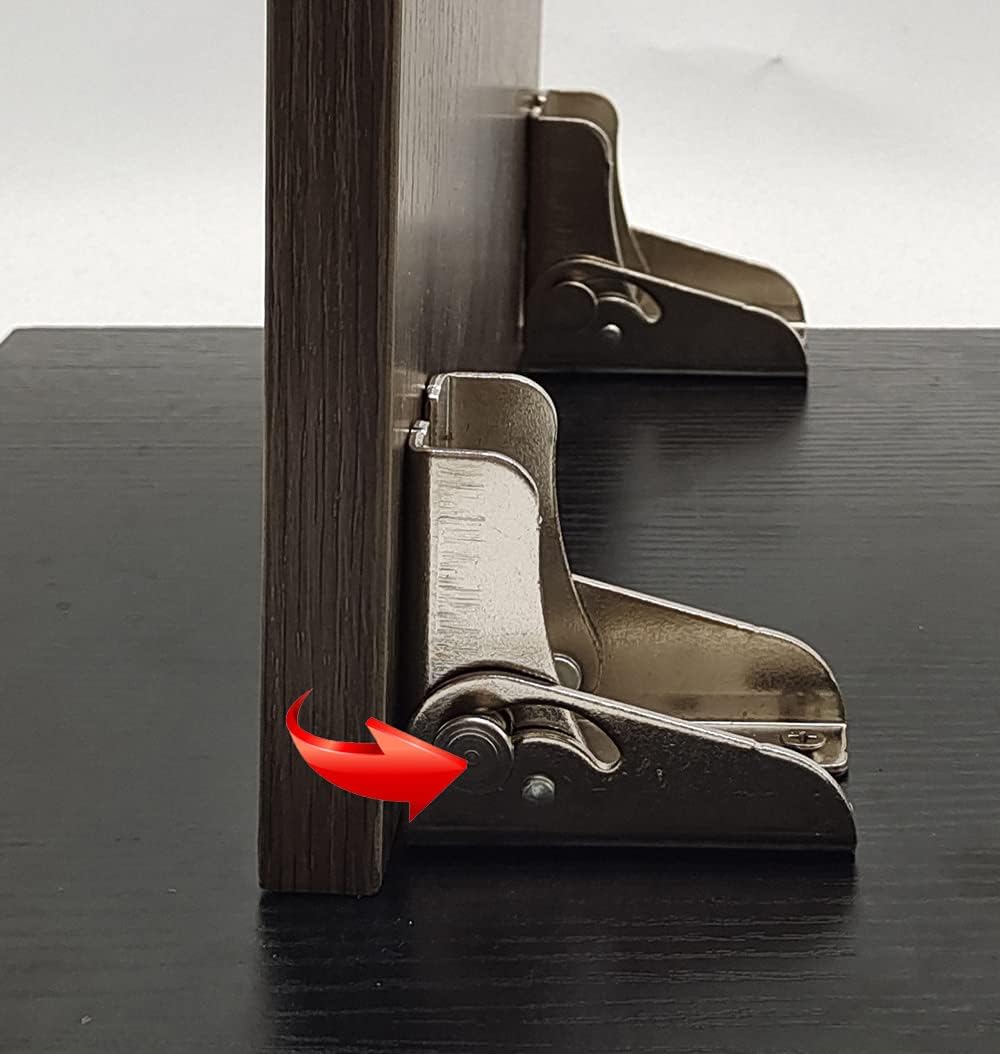
The KAFENDA Folding Self-Locking Hinge is a robust hardware component made from galvanized metal iron, designed for durability and ease of use. It features a 90-degree automatic lock mechanism that ensures stability when the hinge is in the open position. When not in use, the hinge can be easily folded down by clicking a latch, allowing for efficient space utilization.
Key Features:
- Material: Constructed from durable galvanized metal iron, ensuring longevity and resistance to wear.
- Self-Locking Mechanism: Features a spring-activated 'forced lock' that secures the hinge in the open position for enhanced stability.
- Space-Saving Design: Easily folds down when not in use, ideal for applications where space is limited or flexibility is critical.
- Adjustable Angles: Supports 90° (open) and 0° (folded) positions, making it versatile for various furniture applications.
- Versatile Application: Suitable for DIY tables, folding partition frames, workbench extensions, and retractable furniture legs in kitchens, laundry rooms, RVs, garages, and more.
Package Contents:
- 2 x KAFENDA Folding Self-Locking Hinges
- 16 x Mounting Screws
Product Images:




3. Setup and Installation
Proper installation is crucial for the safe and effective operation of your KAFENDA Folding Self-Locking Hinges. Ensure you have the necessary tools before beginning the installation process.
Tools Required:
- Drill
- Drill bits (appropriate size for screws)
- Screwdriver (manual or power)
- Measuring tape or ruler
- Pencil for marking
Installation Steps:
- Prepare the Surface: Identify the surfaces where the hinges will be mounted. Ensure they are clean, dry, and structurally sound enough to support the intended load (up to 115 pounds per hinge).
- Position the Hinge: Place the hinge in the desired location. The hinge is designed to fold at a 90-degree angle. Ensure the hinge is oriented correctly for the folding action you require.
- Mark Screw Holes: Using a pencil, mark the positions of the 8 screw holes on both mounting plates of the hinge.
- Drill Pilot Holes: Carefully drill pilot holes at each marked position. The pilot holes should be slightly smaller than the diameter of the screws to ensure a secure fit and prevent wood splitting.
- Attach the Hinge: Align the hinge with the pilot holes. Insert the provided screws into the holes and tighten them securely with a screwdriver. Do not overtighten, as this can strip the screw threads or damage the material.
- Repeat for Second Hinge: If installing a pair of hinges (as is common for tables or legs), repeat steps 2-5 for the second hinge, ensuring proper alignment and spacing for symmetrical folding.
- Test Functionality: Once both hinges are installed, carefully test the folding mechanism to ensure it operates smoothly and locks securely in the open position.
Note: For heavy-duty applications or materials like metal, consider using appropriate fasteners and tools. Always ensure the mounting surface can bear the maximum weight capacity of 115 pounds per hinge.
4. Operating Instructions
The KAFENDA Folding Self-Locking Hinge is designed for simple and reliable operation.
To Open and Lock the Hinge:
- Gently extend the hinged component (e.g., table leg or workbench surface) until it reaches the fully open, 90-degree position.
- You will hear and feel a distinct 'click' as the internal spring-activated lock engages, securing the hinge in the open position. This lock ensures stability and prevents accidental folding during use.
To Fold and Unlock the Hinge:
- Locate the small latch or button on the side of the hinge mechanism.
- Press or click this latch firmly. This action disengages the internal lock.
- While holding the latch, gently push the hinged component to fold it down to the 0-degree (closed) position.
- Release the latch once the hinge is fully folded.
Caution: Always ensure the hinge is fully locked in the open position before applying weight or pressure to the hinged component. Keep fingers clear of the hinge mechanism during folding and unfolding to prevent pinching.
5. Maintenance
Regular maintenance will help ensure the smooth operation and extend the lifespan of your KAFENDA Folding Self-Locking Hinges.
- Cleaning: Wipe the hinges periodically with a soft, dry cloth to remove dust and debris. For stubborn dirt, a slightly damp cloth can be used, followed by immediate drying. Avoid abrasive cleaners or solvents that could damage the galvanized finish.
- Lubrication: If the hinge mechanism feels stiff or squeaks, apply a small amount of silicone-based lubricant or light machine oil to the pivot points and the spring mechanism. Wipe off any excess lubricant.
- Check Fasteners: Periodically inspect all mounting screws to ensure they are tight. Loose screws can compromise the stability and safety of the hinged component. Tighten any loose screws immediately.
- Inspect for Damage: Regularly check the hinges for any signs of wear, corrosion, bending, or other damage. If a hinge appears damaged, replace it immediately to prevent potential failure.
6. Troubleshooting
If you encounter issues with your KAFENDA Folding Self-Locking Hinges, refer to the following common problems and solutions:
| Problem | Possible Cause | Solution |
|---|---|---|
| Hinge does not lock in the open position. | Mechanism obstructed; spring damaged; not fully extended. | Ensure hinge is fully extended until it clicks. Check for debris obstructing the locking mechanism. If spring is damaged, replace the hinge. |
| Hinge is difficult to fold or unfold. | Lack of lubrication; dirt/debris; bent components. | Apply lubricant to pivot points. Clean the hinge thoroughly. Inspect for any physical damage or bending; replace if necessary. |
| Hinged component feels wobbly or unstable. | Loose mounting screws; incorrect installation; overloaded. | Tighten all mounting screws. Verify that the hinges are installed correctly and securely. Ensure the weight on the hinged component does not exceed the 115-pound limit per hinge. |
| Squeaking noise during operation. | Lack of lubrication. | Apply a small amount of lubricant to the moving parts of the hinge. |
7. Specifications
Detailed technical specifications for the KAFENDA Folding Self-Locking Hinge (Model KA).
| Attribute | Specification |
|---|---|
| Brand | KAFENDA |
| Model Number | KA |
| Material | Iron, Metal (Galvanized) |
| Color | Silver |
| Product Dimensions | 3"L x 2"W (approximate, refer to Figure 2.5 for detailed measurements) |
| Finish Type | Unfinished |
| Mounting Type | Door Mount (suitable for various flat surfaces) |
| Hole Count | 8 per hinge |
| Weight Limit | 115 Pounds (per hinge) |
| Unit Count | 2.0 Count (typically sold as a pair) |
| Included Components | Hinges, Screws |
| Item Weight | 12.3 ounces (for the pair) |
| UPC | 054114211357 |
8. Warranty and Support
For warranty information and customer support regarding your KAFENDA Folding Self-Locking Hinges, please contact the manufacturer or the seller directly.
- Manufacturer: KAFENDA
- Seller: YUN+ (as per purchase record)
Please retain your proof of purchase for any warranty claims or support inquiries. Contact details for the manufacturer or seller can typically be found on the product packaging or your purchase receipt.