
1. Introduction
This instruction manual provides essential information for the safe and efficient installation, operation, and maintenance of your MOTOBERRY 36V 1000W Electric Brushless DC Motor Kit. This kit is designed for various electric vehicles and applications, including electric scooters, e-bikes, folding bikes, small e-motos, and DIY projects. Please read this manual thoroughly before use to ensure proper functionality and longevity of the product.
2. Product Overview
The MOTOBERRY 36V 1000W Electric Brushless DC Motor Kit includes a high-speed brushless DC motor, a speed controller, and a throttle grip kit. This system offers efficient power delivery and speed control for your application.

Figure 2.1: Overview of the MOTOBERRY 36V 1000W Electric Brushless DC Motor Kit components.
Key Features:
- Brushless DC Motor: Offers quieter operation, compact size, and lighter weight compared to brushed motors. The 36V 1000W output ensures efficient power generation and extended battery life. Features a durable 40CR motor head and high-quality aluminum housing.
- High RPM: The 36-volt brushless motor delivers high torque and can achieve speeds of up to 3100 RPM, contributing to high operational efficiency.
- Directional Control: The motor's rotation direction (clockwise or counter-clockwise) can be controlled via the controller's reverse gear function.
- Convenient Speed Control: Equipped with a speed controller for precise operation. The controller features a 3-speed function (low, medium, high) for varied performance, though the motor's design typically utilizes only two distinct speed modes.
- Easy Installation: The compact and lightweight design facilitates straightforward installation in compatible electric vehicles.
3. Specifications
Motor (Model: MY1020)
- Motor Type: High-Speed BLDC Brushless Motor
- Output Power: 1000W
- Rated Speed: 3100 RPM/MIN
- Rated Current: 27.7A
- Weight: 3.5kg
- Shaft Diameter: 12mm
- Rated Torque: 3.5 N.m
- Sprocket/Chain: T8F Sprocket / Chain
- Estimated Speed: 30-50km/h (with 36V-48V 1000W controller)

Figure 3.1: Close-up view of the 36V 1000W Brushless DC Motor.

Figure 3.2: Dimensional drawing of the 36V 1000W Brushless DC Motor.
Controller (36V-48V 1000W)
- Rated Voltage: 36V/48V
- Low Voltage Protection: 31V/42V ±0.5V
- Rated Power: 1000W
- Limit Current: 30A
- Compatibility: Can operate with or without Hall sensors connected.

Figure 3.3: The 36V 1000W Speed Controller.
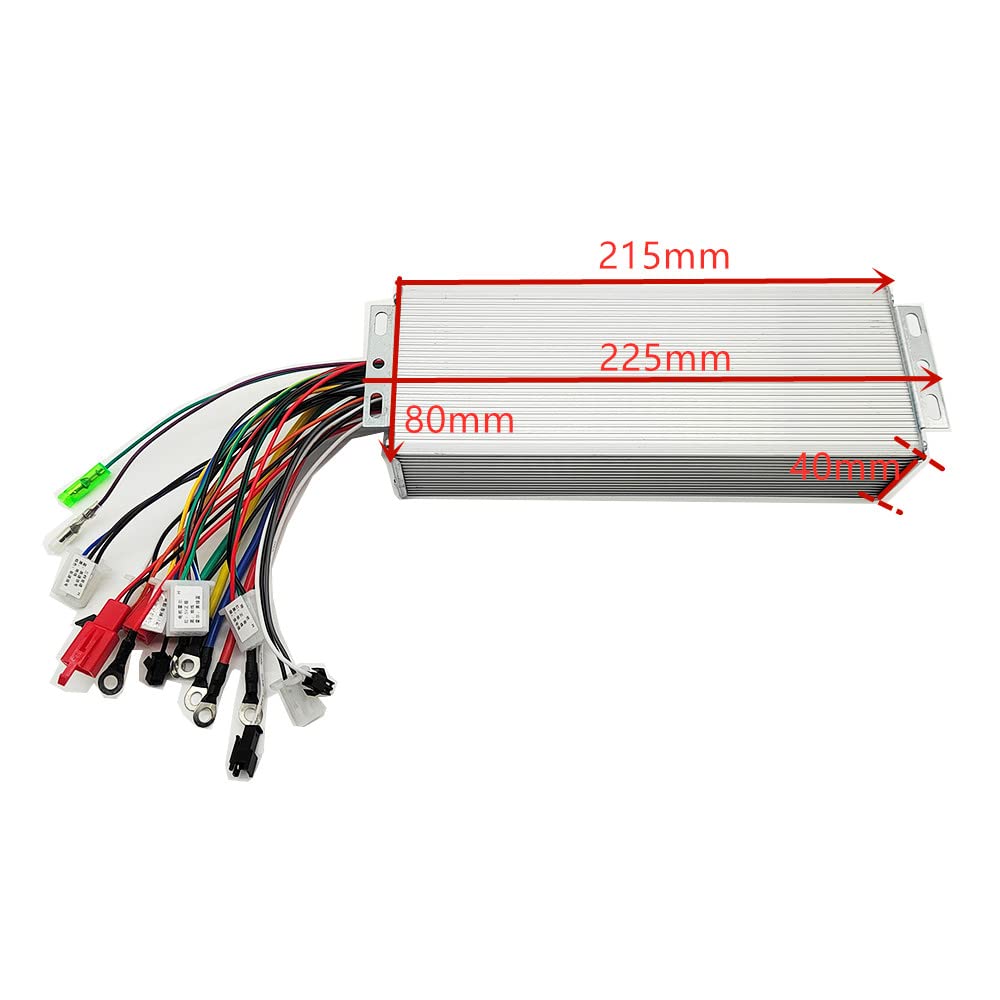
Figure 3.4: Dimensional drawing of the 36V 1000W Speed Controller.
Throttle Grip Kit
- Includes throttle grip with integrated electric lock and battery indicator.
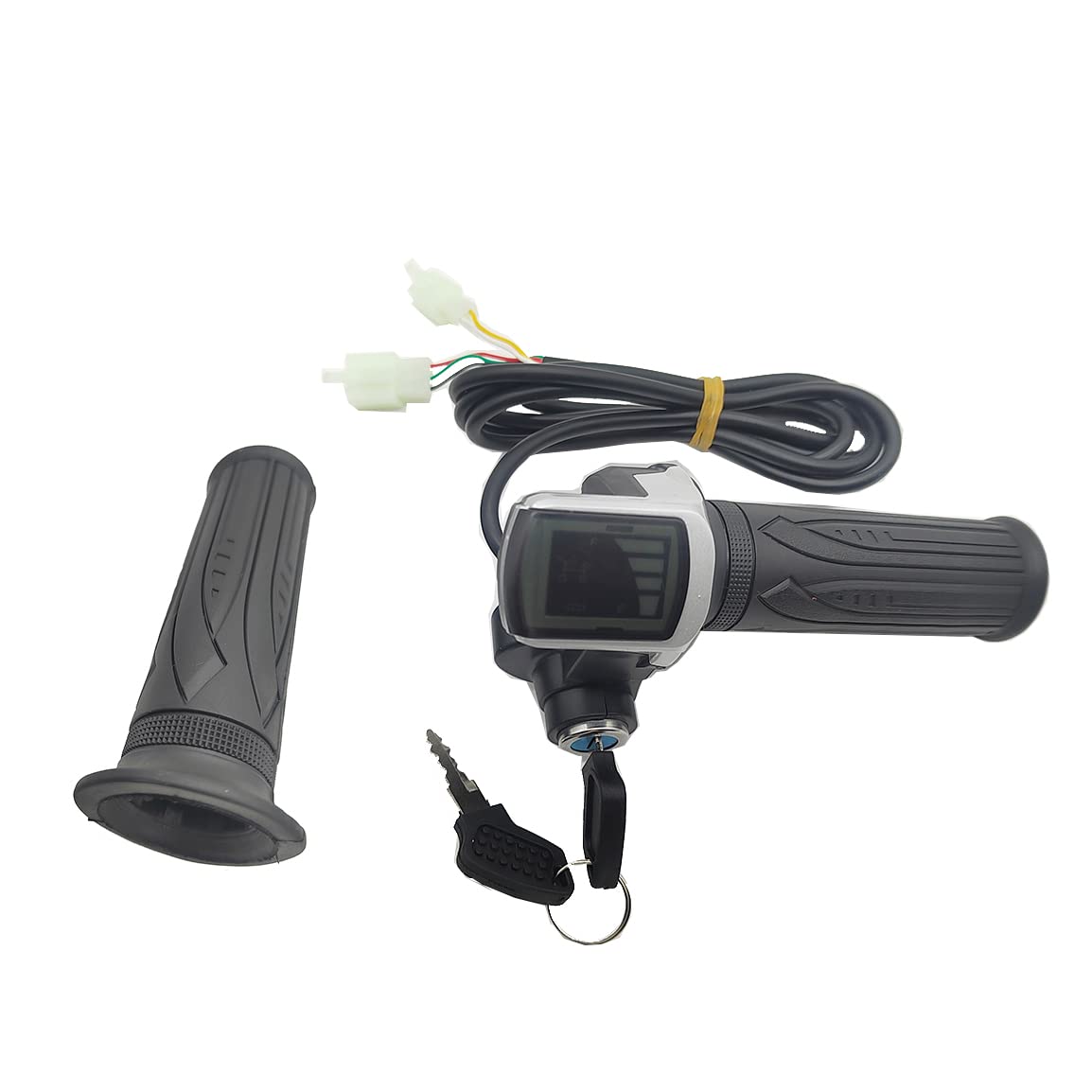
Figure 3.5: The Throttle Grip Kit.
4. Setup and Installation
Careful wiring is crucial for the correct operation of the motor kit. Follow these steps for installation:
Wiring Instructions:
- Connect Motor Lines: Connect the motor lines to the controller, ensuring color-to-color matching.
- Connect Battery Lines: Connect the battery lines to the controller. The red wire is for battery positive (+), and the black wire is for battery negative (-).
- Connect Throttle and Electric Lock: Connect the controller's throttle line to the throttle. Connect the controller's electric lock line to the throttle's electric lock.
- Perform Self-Learning Test:
- Ensure the power is OFF.
- Connect the two self-learning lines together.
- Turn the power ON. The motor will begin to rotate, either forward or reverse.
- If the motor rotates forward, separate the self-learning lines. The self-learning process is complete.
- If the motor rotates in reverse, separate the self-learning lines, then connect them together again. The motor should now rotate forward. Once it rotates forward, separate the self-learning lines. The self-learning process is complete.
Note: The self-learning function adapts the controller to the supply voltage and adjusts the motor's running direction. The throttle will not function while the self-learning lines are connected.
- Connect Other Functions: Connect other functions such as cruise line, reverse line, high brake, low brake, 3-speed (low/middle/high), Hall line, LCD instrument line, anti-theft power supply, anti-theft signal, and pointer meter line as needed for your specific application.
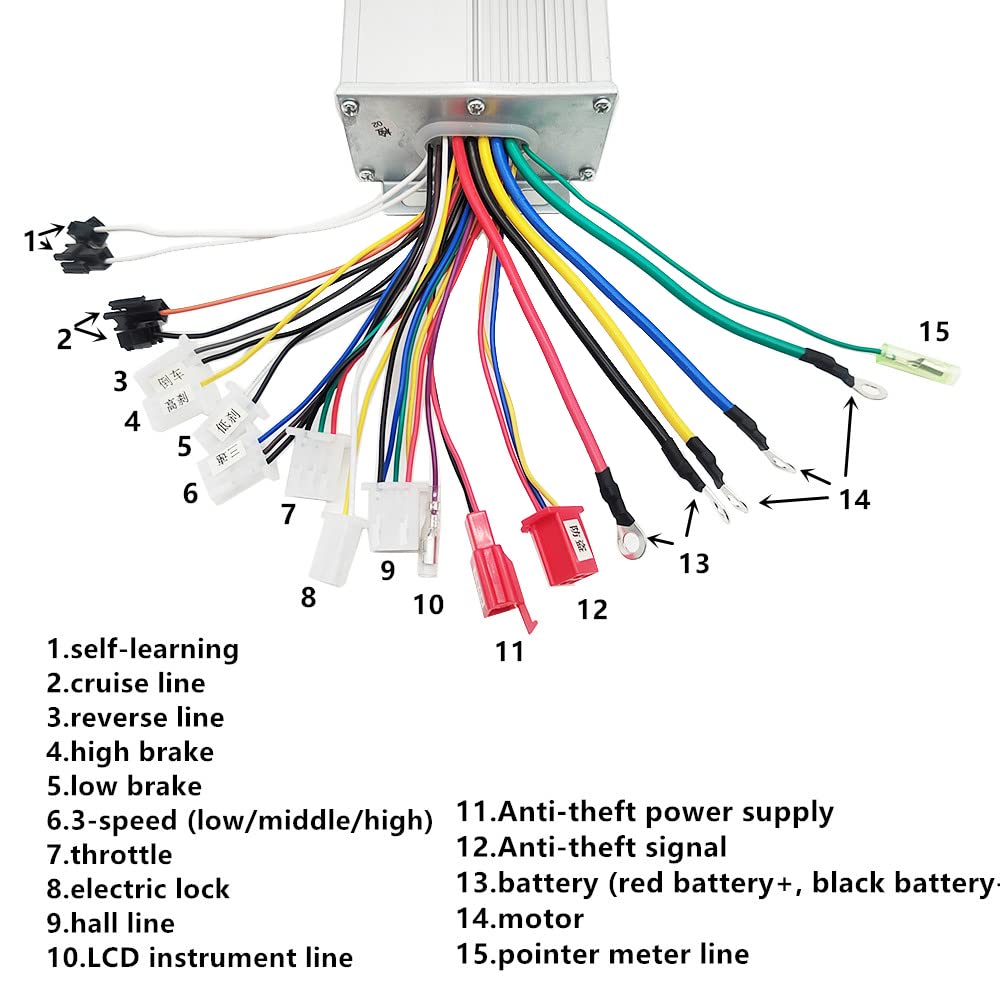
Figure 4.1: Detailed wiring diagram for the motor kit. Refer to this diagram for all connections.
Installation Video:
Video 4.1: This video demonstrates the connection process for the MOTOBERRY motor kit, providing a visual guide to supplement the wiring instructions.
5. Operating Instructions
Once installed and the self-learning test is complete, the motor kit is ready for operation.
Speed Control:
- The throttle grip controls the motor speed. Twist the throttle to increase or decrease speed.
- The controller features a 3-speed interface (low/middle/high). However, due to the motor's design, it typically operates effectively in two distinct speed modes. The third gear speed will generally be the same as the second gear.
Reverse Function:
- If connected, the reverse line on the controller allows for reverse operation. The reverse gear typically operates in a low-speed mode only.
6. Maintenance
Regular maintenance ensures optimal performance and extends the lifespan of your motor kit.
- Inspection: Periodically inspect all wiring connections for tightness and signs of wear or damage.
- Cleaning: Keep the motor and controller free from dirt, dust, and moisture. Use a dry cloth for cleaning.
- Lubrication: Ensure the motor shaft and any moving parts (e.g., chain, if applicable) are adequately lubricated according to the vehicle's maintenance schedule.
- Battery Care: Follow the manufacturer's guidelines for your battery pack to ensure proper charging and discharge cycles.
7. Troubleshooting
If you encounter issues with your motor kit, refer to the following common problems and solutions:
- Motor Not Working / Incorrect Direction: Ensure the self-learning test has been performed correctly as described in Section 4. If the motor does not work or spins in the wrong direction, repeat the self-learning procedure.
- 3-Speed Functionality: As noted in Section 5, the motor's design means that even with a 3-speed interface on the controller, the motor may only exhibit two distinct speed modes. The third gear speed will typically match the second gear. This is a characteristic of the motor design and not a malfunction.
- No Power to Motor: Check all battery and motor connections for secure contact. Verify that the electric lock on the throttle is engaged (turned ON). Ensure the battery has sufficient charge.
- Throttle Not Responding: Confirm that the self-learning lines are separated after the self-learning test. The throttle will not work if these lines are connected.
- Unusual Noises or Vibrations: Immediately power off the system. Inspect the motor, chain, and mounting for any obstructions, loose parts, or damage.
If troubleshooting steps do not resolve the issue, please contact customer support.
8. Warranty and Support
For warranty information, please refer to the product's purchase documentation or contact your retailer. For technical assistance or support, please reach out to MOTOBERRY customer service through the platform where the product was purchased.