
1. Product Overview
The N\C 300 Amp Waterproof Circuit Breaker is designed to protect electrical systems from damage caused by excessive current and power surges. This resettable circuit breaker eliminates the need for constant fuse replacement, offering a convenient manual reset function. It is compatible with all 12V-48V DC systems and is suitable for a wide range of applications including car audio systems, marine vessels, trolling motors, boats, ATVs, trucks, and RVs.
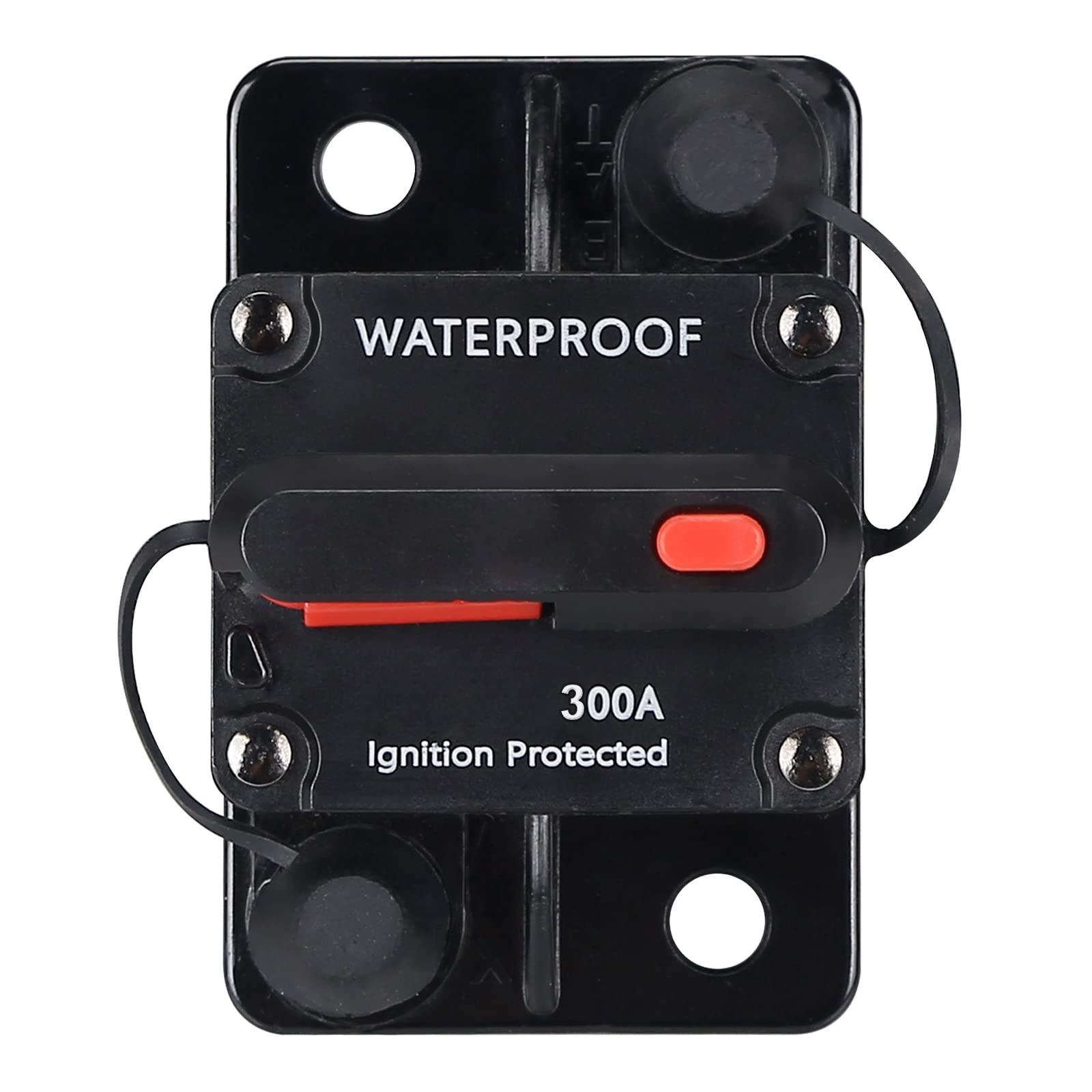
Figure 1: Front view of the N\C 300 Amp Waterproof Circuit Breaker.

Figure 2: Wide Application of the Circuit Breaker in automotive, marine, and recreational vehicles.
2. Key Features
- Overload Protection: Safeguards trolling motors and other electrical components from electrical damage and power surges.
- Wide Compatibility: Designed for all 12V/48V DC systems.
- Resettable Design: Features two modes: current overload disconnection and manual disconnection. The switch can be reset and reused after a circuit repair, eliminating the need for fuse replacement.
- Versatile Application: Ideal for car audio systems, trucks, boats, RVs, marine vehicles, buses, battery chargers, and DC sound systems.
- Durable Construction: Water-resistant housing with protective stud insulators, splash, and dust proof.
- Manual Reset Arm: Easy to operate with a push-button reset that can also function as a kill switch.
- Good Conductivity: Ensures efficient power flow.
- High Temperature Resistance: Built to withstand varying thermal conditions.

Figure 3: Detailed view of the circuit breaker highlighting its key features such as stud size, reset arm, and waterproof construction.
3. Specifications
| Specification | Value |
|---|---|
| Brand | N\C |
| Model Number | JTST0020 |
| Current Rating | 300 Amps (Available in 30A, 40A, 50A, 60A, 70A, 80A, 100A, 120A, 150A, 200A, 250A, 300A) |
| Voltage | 12V-48V DC |
| Product Dimensions (LxWxH) | 74 x 49 x 44 mm (2.9 x 1.9 x 1.7 inches) |
| Stud Size | 1/4"-28 |
| Mounting Type | Surface Mount (Panel or Firewall) |
| Operating Temperature | -32°C to 82°C (-25°F to 180°F) |
| Storage Temperature | -34°C to 149°C (-30°F to 300°F) |
| Material | Plastic and Metal |
| Number of Poles | 3 |
| Item Weight | 3.52 ounces |
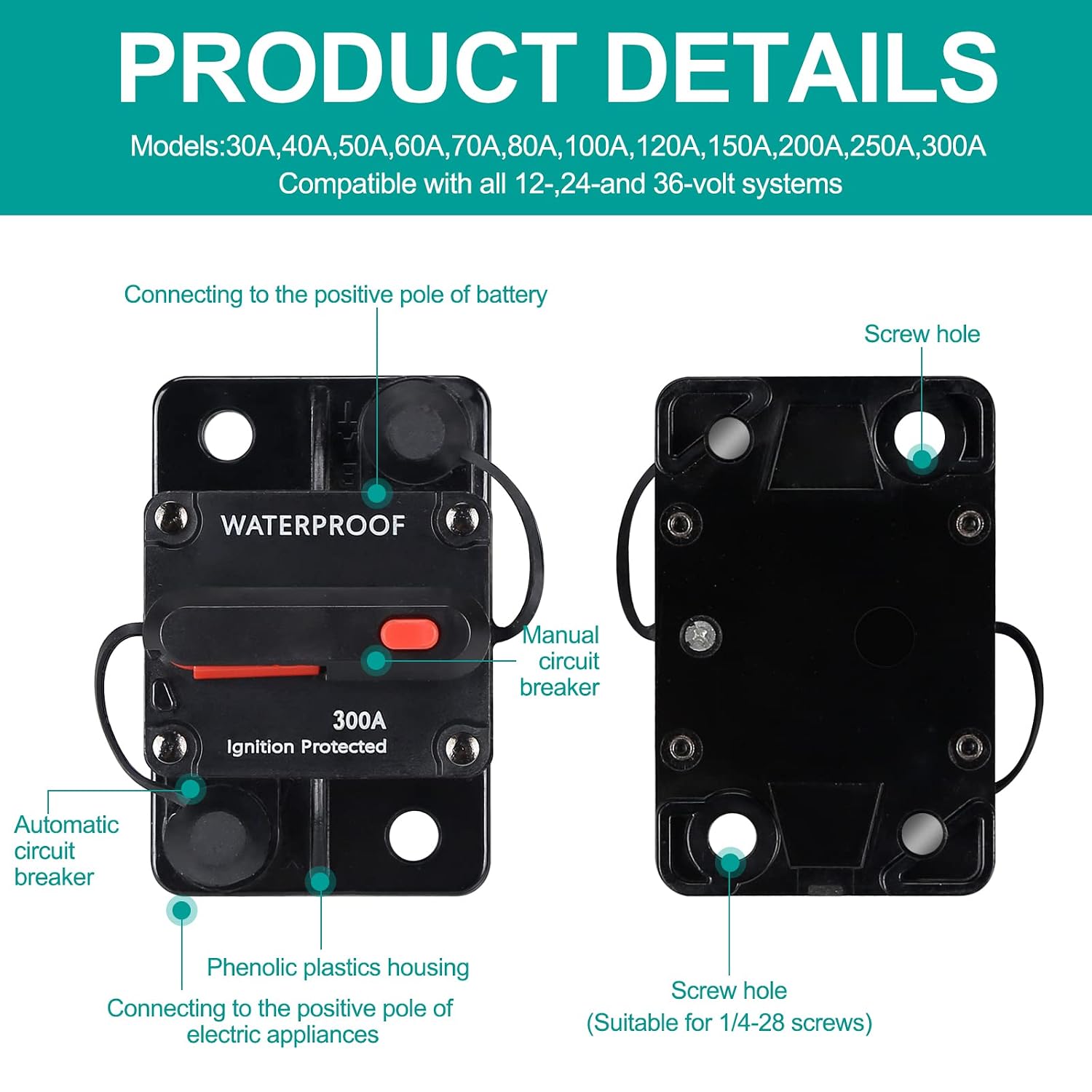
Figure 4: Product details including dimensions, connection points, and housing material.
4. Installation
The circuit breaker is designed for surface mounting on a panel or firewall. Ensure the mounting location is secure and provides adequate clearance for wiring and operation.
4.1 Wiring Diagram
Connect the circuit breaker in-line between the battery and the motor or other electrical load. Observe correct polarity: the positive (+) terminal of the battery connects to the "BAT" terminal of the breaker, and the "AUX" terminal connects to the positive (+) terminal of the trolling motor or load. The negative (-) terminal of the battery connects directly to the negative (-) terminal of the trolling motor or load.

Figure 5: Typical installation wiring diagram for a 12-volt system, showing connections between battery, circuit breaker, and trolling motor.
4.2 Cable Size Recommendations
Selecting the appropriate cable size is crucial for safe and efficient operation. Refer to the table below for recommended lead sizes based on the rated current of your system.
| Rated Current | SAE Metric Cable Size | SAE Wire Size |
|---|---|---|
| Greater than 30 to 40A | 5 mm² | #10 |
| Greater than 40 to 50A | 8 mm² | #8 |
| Greater than 50 to 60A | 13 mm² | #6 |
| Greater than 60 to 90A | 19 mm² | #4 |
| Greater than 90 to 120A | 32 mm² | #2 |
| Greater than 120 to 150A | 50 mm² | #0 |
| Greater than 150 to 200A | 62 mm² | #00 |
| Greater than 200 to 300A | 85 mm² | #000 |
5. Operating Instructions
The circuit breaker features a manual reset mechanism, allowing for easy restoration of power after an overload event.
5.1 Normal Operation
When the circuit breaker is in the "ON" position, power flows through the circuit. The red reset button will be flush with the housing.
5.2 Overload Disconnection (Automatic Trip)
If an overcurrent condition occurs, the circuit breaker will automatically trip, disconnecting the circuit to prevent damage. When tripped, the red reset button will pop out, indicating a disconnection.
5.3 Manual Disconnection (Kill Switch Function)
To manually disconnect power, simply press the red reset button. This will cause the button to pop out, breaking the circuit. This function can be used as a kill switch for safety or maintenance.
5.4 Resetting the Circuit Breaker
After an automatic trip or manual disconnection, identify and resolve the cause of the overcurrent (if applicable). To restore power, firmly push the red reset button back into the housing until it clicks and is flush. The circuit is now reconnected.
Important Reminder: Ensure the circuit breaker is working correctly. If the button does not stay in after being pushed, or if it immediately trips again, there may still be an issue with the electrical circuit that needs to be addressed.

Figure 6: Illustration of the manual reset mechanism, showing the button in both tripped and reset positions.
6. Maintenance
The N\C Waterproof Circuit Breaker is designed for minimal maintenance due to its durable and sealed construction.
- Regular Inspection: Periodically check the circuit breaker for any signs of physical damage, corrosion on terminals, or loose connections.
- Cleaning: If necessary, gently clean the exterior of the circuit breaker with a damp cloth. Avoid using harsh chemicals or abrasive materials.
- Temperature Considerations: Ensure the product operates within its specified operating temperature range (-32°C to 82°C / -25°F to 180°F) to prevent premature wear or malfunction.
7. Troubleshooting
- Circuit Breaker Trips Frequently:
- Cause: Overload in the circuit, short circuit, or faulty wiring.
- Solution: Disconnect all loads from the circuit. Reset the breaker. If it trips immediately, there is likely a short circuit in the wiring. If it holds, reconnect loads one by one to identify the faulty device. Ensure the total current draw does not exceed the breaker's rating.
- Circuit Breaker Does Not Reset:
- Cause: Persistent overload or short circuit, or internal damage to the breaker.
- Solution: Verify that the overload or short circuit condition has been resolved. If the breaker still does not reset, it may be damaged and require replacement.
- No Power to Device After Reset:
- Cause: Loose connections, wiring fault, or device malfunction.
- Solution: Check all wiring connections to ensure they are secure. Inspect wiring for any breaks or damage. Test the connected device independently if possible.
8. Warranty and Support
Specific warranty information for this N\C product is not provided in the available documentation. For warranty claims, technical support, or further assistance, please refer to the retailer or manufacturer's official website where the product was purchased. Keep your proof of purchase for any warranty-related inquiries.