
Schumacher Electric DSR161
Schumacher Electric DSR161 Pro Series 6V/12V Wheeled Battery Charger & Engine Starter User Manual
Model: DSR161 | Brand: Schumacher Electric
1. Product Overview
The Schumacher Electric DSR161 Pro Series is a fully automatic wheeled battery charger, engine starter, and maintainer designed for professional and heavy-duty use. It automatically detects and adjusts to 6V or 12V battery systems, making it suitable for a variety of vehicles and battery types, including standard, deep-cycle, AGM, and gel cell batteries. With a peak output of 250 amps and a 50A boost mode, it can effectively jump-start large engines found in SUVs and trucks.
Its robust construction features an all-weather metal housing, a retractable handle, and shop-friendly wheels for durability and ease of transport. The unit incorporates safety features such as reverse hook-up protection and provides clear operational feedback through intuitive LED indicators and a user-friendly control panel.

Figure 1: Front view of the Schumacher Electric DSR161 unit, showcasing its wheeled design and control panel.
2. Safety Information
WARNING: Read all safety warnings and instructions before using this product. Failure to follow the warnings and instructions may result in electric shock, fire, and/or serious injury.
- Always wear eye protection and protective clothing when working with batteries.
- Ensure the work area is well-ventilated.
- Keep children and unauthorized persons away from the work area.
- Never smoke or allow sparks or flames in the vicinity of a battery or engine.
- Avoid touching battery terminals or clamps together.
- Do not operate the charger if it has been dropped, damaged, or if the power cord or clamps are damaged.
- This charger is equipped with reverse hook-up protection, but always double-check connections to prevent damage to the battery or charger.
- Disconnect the AC power cord before making or breaking connections to the battery.
3. Package Contents
Upon unpacking, verify that all items are present and in good condition. The package for the Schumacher Electric DSR161 Pro Series typically includes:
- Schumacher Electric DSR161 Pro Series Wheeled Battery Charger and Engine Starter Unit
- User Manual (this document)

Figure 2: Illustration of the DSR161 unit and its primary included item, the user manual.
4. Setup
The DSR161 is designed for ease of use and mobility. Minimal assembly is required, primarily involving the retractable handle and ensuring the wheels are securely attached for transport.
4.1 Initial Inspection
Before first use, inspect the unit for any signs of shipping damage. Check the power cord, battery clamps, and the unit's housing for cracks, frayed wires, or loose connections.
4.2 Positioning the Unit
Place the charger on a flat, stable surface. Utilize the integrated wheels and retractable handle to easily move the unit to the desired location near the vehicle or battery requiring service.

Figure 3: The DSR161's robust construction and wheeled design for easy maneuverability in a workshop environment.
5. Operating Instructions
The DSR161 offers fully automatic operation for charging and engine starting. It automatically detects 6V or 12V batteries and adjusts its output accordingly.
5.1 Charging a Battery
- Ensure the charger is unplugged from the AC outlet.
- Connect the positive (red) clamp to the positive (+) battery terminal.
- Connect the negative (black) clamp to the negative (-) battery terminal or a non-moving metal part of the vehicle chassis away from the battery and fuel line.
- Plug the charger's AC power cord into a standard 120V AC outlet.
- The charger will automatically detect the battery voltage (6V or 12V) and begin the charging process. Monitor the LED indicators for charging status.
- Once charging is complete, unplug the AC power cord, then disconnect the negative (black) clamp, followed by the positive (red) clamp.
5.2 Engine Starting (Jump Start)
Use the engine start function for vehicles with a discharged battery that needs an immediate boost to start.
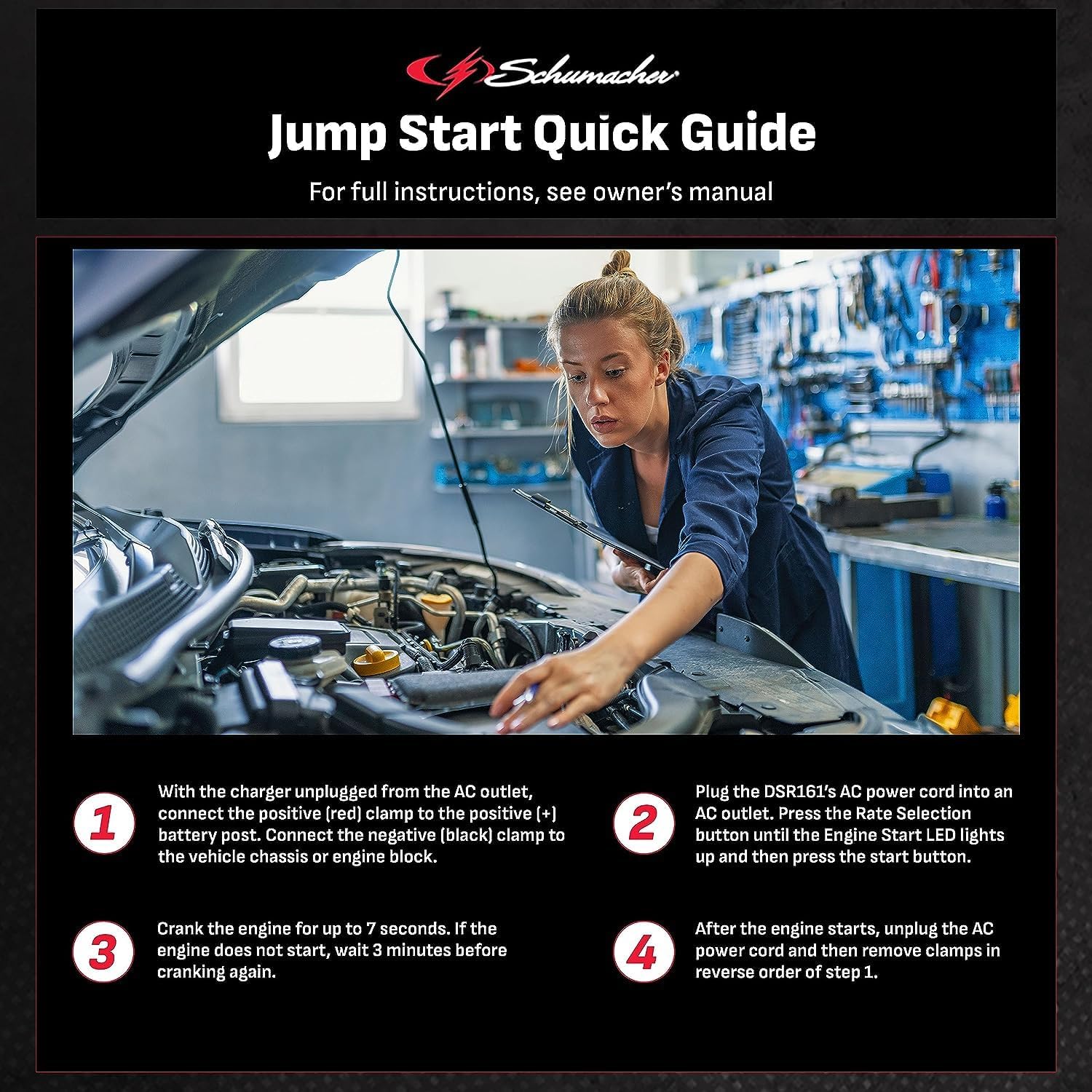
Figure 4: Quick guide for jump starting a vehicle with the DSR161.
- With the charger unplugged from the AC outlet, connect the positive (red) clamp to the positive (+) battery post.
- Connect the negative (black) clamp to the vehicle chassis or engine block, away from the battery and fuel line.
- Plug the DSR161's AC power cord into an AC outlet.
- Press the Rate Selection button until the Engine Start LED lights up, then press the start button.
- Crank the engine for up to 7 seconds. If the engine does not start, wait 3 minutes before cranking again.
- After the engine starts, unplug the AC power cord and then remove clamps in reverse order of step 1 (negative first, then positive).
6. Maintenance
Proper maintenance ensures the longevity and optimal performance of your DSR161 charger.
6.1 Cleaning
Wipe the case and cables with a soft, dry cloth after each use. Do not use solvents or abrasive cleaners. Keep the ventilation slots clear of dust and debris.
6.2 Cable and Clamp Care
Regularly inspect the battery cables and clamps for any damage, such as cuts, fraying, or corrosion. Replace damaged components immediately to prevent hazards.
6.3 Storage
Store the charger in a cool, dry place when not in use. Ensure the cables are neatly coiled and the clamps are stored in a way that prevents them from touching each other or any metal surfaces.
7. Troubleshooting
If you encounter issues with your DSR161, refer to the following table for common problems and solutions.
| Problem | Possible Cause | Solution |
|---|---|---|
| Charger does not turn on/no display. | No AC power; faulty outlet; damaged power cord. | Check AC outlet with another appliance. Inspect power cord for damage. Ensure secure connection. |
| Charging does not start. | Incorrect battery connection; battery is severely discharged or damaged; reverse polarity. | Verify correct clamp connections (positive to positive, negative to negative/chassis). The unit has reverse hook-up protection, but re-check. Battery may need professional assessment if severely damaged. |
| Engine Start function not working. | Insufficient charge in the vehicle battery; incorrect mode selection; poor connections. | Ensure Engine Start mode is selected. Verify clean and secure connections to battery and chassis. Allow a few minutes for the charger to provide initial boost before cranking. |
| Unit gets hot during operation. | Normal operation under heavy load; poor ventilation. | Some heat is normal. Ensure adequate ventilation around the unit. Do not block air vents. If overheating is excessive or accompanied by smoke/smell, discontinue use and contact support. |
8. Specifications
Detailed technical specifications for the Schumacher Electric DSR161 Pro Series Wheeled Battery Charger & Engine Starter.
- Model: DSR161
- Input Voltage: 120V AC
- Output Voltage: 6V / 12V DC (Automatic Detection)
- Engine Start Amperage: 250 Amps (Peak)
- Boost Mode: 50 Amps
- Charging Amperage: 2A-6A (Automatic)
- Compatible Battery Types: Standard, Deep-Cycle, AGM, Gel Cell
- Item Weight: 36.8 pounds
- Product Dimensions: 12 x 12 x 28 inches (approximate)
- Housing: Rugged Metal Case
- Features: Retractable Handle, Shop-Friendly Wheels, Reverse Hook-up Protection, LED Indicators, Push-Button Controls

Figure 5: Approximate dimensions of the DSR161 unit.
9. Warranty Information
Schumacher Electric products are manufactured to high-quality standards. Specific warranty details, including duration and coverage, are typically provided with the product packaging or can be found on the official Schumacher Electric website. Please retain your proof of purchase for warranty claims.
10. Customer Support
For product questions, technical assistance, or feedback, please contact Schumacher Electric customer support.

Figure 6: Schumacher Customer Support contact options.
- Phone: 1-800-621-5485
- Email: info@schumacherelectric.com
- Website: Visit the official Schumacher Electric website for additional resources and FAQs.
Related Documents - DSR161
 |
Schumacher SC1305 Automatic Battery Charger Owner's Manual Comprehensive owner's manual for the Schumacher SC1305 Automatic Battery Charger. Learn how to safely and effectively use the charger for various battery types and applications, including engine starting and maintenance. |
 |
Schumacher SL1596/SL1610/SL1611/SL1612 Lithium Ion Jump Starter and USB Power Source Owner's Manual Comprehensive owner's manual for Schumacher Electric's SL1596, SL1610, SL1611, and SL1612 Lithium Ion Jump Starters and USB Power Sources. Covers safety instructions, features, operation, charging, maintenance, and troubleshooting. |
 |
Schumacher Electric Automatic Battery Charger Owners Manual Comprehensive owners manual for the Schumacher Electric Automatic Battery Charger. Learn how to safely charge, maintain, and jump-start 6V and 12V lead-acid batteries (STD, AGM, GEL) with detailed instructions and safety guidelines. |
 |
Schumacher Electric 12V 150A Manual Battery Charger Owners Manual This comprehensive owners manual provides detailed instructions for safely operating, maintaining, and troubleshooting the Schumacher Electric 12V 150A Manual Battery Charger and Engine Starter. Learn about safety precautions, charging procedures, charge time calculations, and warranty information. |
 |
Schumacher SL1316 Lithium Ion Jump Starter Owner's Manual Comprehensive owner's manual for the Schumacher SL1316 Lithium Ion Jump Starter, Fuel Pack, and Backup Power. Provides detailed instructions on safety, operation, charging, maintenance, and troubleshooting. |
 |
Schumacher SC1323 Automatic Battery Charger & Maintainer | 6V/12V, 15A Owner's Manual This is the owner's manual for the Schumacher SC1323 Automatic Battery Charger and Maintainer. It provides detailed instructions on safe operation, charging procedures for 6V and 12V batteries, maintenance, and troubleshooting for automotive, marine, and powersports applications. |
Ask a question about this manual
Ask about setup, troubleshooting, compatibility, parts, safety, or missing instructions. Manuals+ will review the question and use this page’s manual context to help answer it.