
Introduction
This manual provides instructions for the Levin 24-Piece Drawing and Sketching Pencils Art Set. This set is designed for artists of all levels, offering a comprehensive range of graphite pencils from hard (9H) to soft (14B) for various artistic applications, including sketching, drawing, and shading.

Figure 1: The complete set of 24 Levin drawing and sketching pencils.
Setup
The Levin 24-Piece Drawing and Sketching Pencils are ready for immediate use. No complex setup is required. Familiarize yourself with the different pencil grades to select the appropriate tool for your artistic needs.
Understanding Pencil Grades
Pencils are graded based on their hardness and blackness. The Levin set includes a full range:
- H (Hard) Grades (H, 2H, 3H, 4H, 5H, 6H, 7H, 8H, 9H): These pencils have harder lead, produce lighter lines, and are suitable for detailed work, light sketching, and technical drawing. Higher numbers indicate greater hardness and lighter marks.
- F (Fine Point): A medium-hard pencil, slightly harder than HB, good for fine lines.
- HB (Hard Black): A versatile, medium-grade pencil, ideal for general writing and sketching.
- B (Black) Grades (B, 2B, 3B, 4B, 5B, 6B, 7B, 8B, 9B, 10B, 12B, 14B): These pencils have softer lead, produce darker lines, and are excellent for shading, blending, and creating rich, dark tones. Higher numbers indicate greater softness and darker marks.

Figure 2: Illustration of pencil grades and a single pencil's dimensions (7 inches / 17.8 cm).
Sharpening
Ensure your pencils are properly sharpened before use. A sharp point allows for precise lines and detailed work. Use a quality pencil sharpener or a craft knife for optimal results. When using a craft knife, always sharpen away from your body and use a cutting mat.
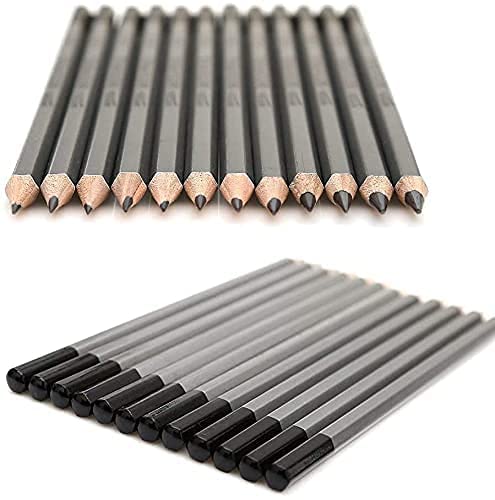
Figure 3: Close-up of sharpened pencil tips, ready for use.
Operating Instructions
Using the Levin sketching pencils involves understanding how different grades interact with paper and how to apply various techniques.
Basic Techniques
- Hatching: Drawing parallel lines to create tone and texture. The closer the lines, the darker the tone.
- Cross-hatching: Drawing intersecting sets of parallel lines for deeper tones and richer textures.
- Stippling: Creating tone using dots. Denser dots result in darker areas.
- Scribbling: Using random, overlapping lines to build up tone and texture, often used for expressive sketches.
- Blending: Smoothing out pencil marks to create gradual transitions in tone. This can be done with a blending stump, tortillon, tissue, or even a finger (though this can transfer oils).
Selecting the Right Pencil Grade
- Light Sketches & Outlines: Start with harder pencils like 2H or H for light, erasable guidelines.
- Mid-tones & General Drawing: HB, B, and 2B are excellent for general drawing, mid-range shading, and building up forms.
- Dark Tones & Shading: Use softer pencils (3B to 14B) for deep shadows, rich blacks, and expressive marks. The softer the lead, the darker and smoother the application.
- Detail Work: Harder pencils (H to 4H) maintain a sharp point longer, making them suitable for fine details and crisp lines.

Figure 4: An artist using a Levin pencil for sketching in a notebook.

Figure 5: Examples of artwork created using graphite pencils, demonstrating various tones and details.
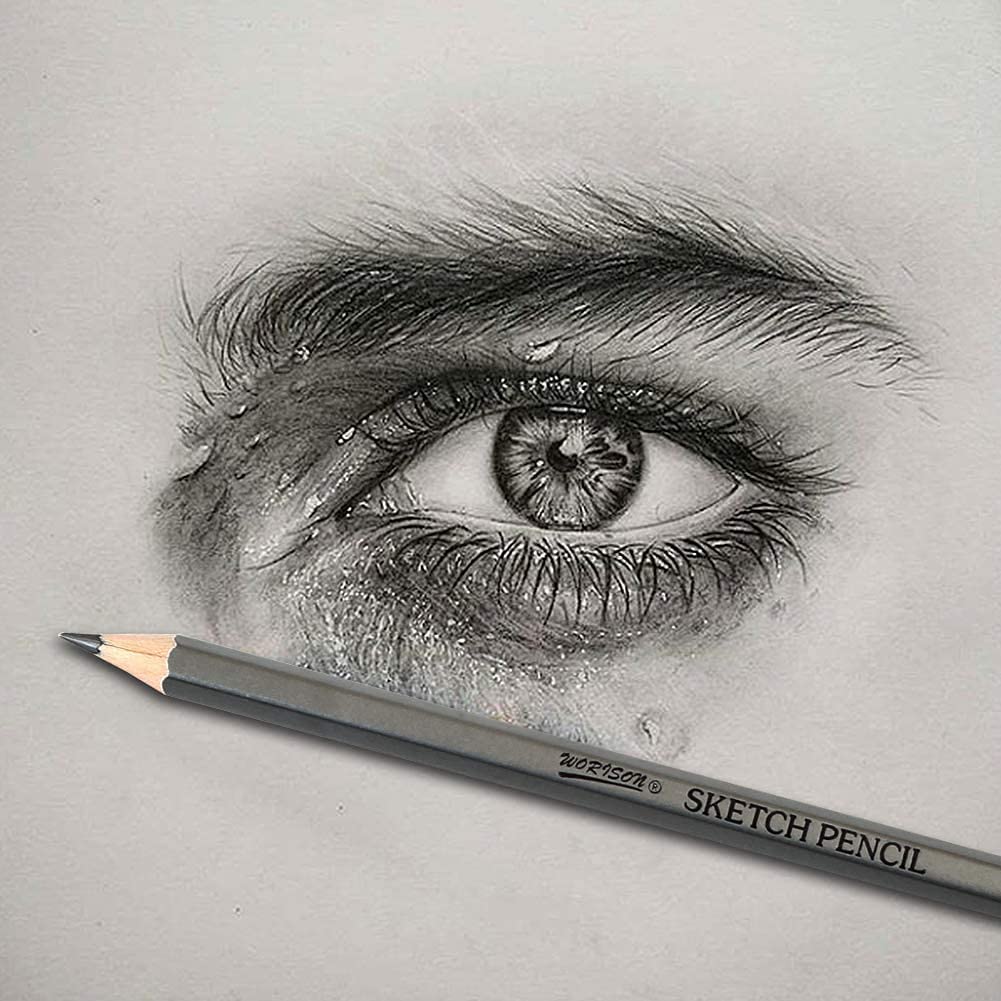
Figure 6: A detailed graphite drawing of an eye, showcasing fine lines and shading achievable with the pencils.
Maintenance
Proper care ensures the longevity and performance of your Levin sketching pencils.
Storage
- Store pencils in a cool, dry place away from direct sunlight or extreme temperatures.
- Keep them in their original tin or a pencil case to prevent breakage and protect the lead.
- Avoid dropping pencils, especially on hard surfaces, as this can break the lead inside the wooden casing, leading to frequent tip breakage during sharpening.
Sharpening Tips
- Use a sharp, high-quality sharpener to prevent lead breakage and ensure a clean point.
- For softer leads (B grades), sharpen gently to avoid excessive lead loss.
- Consider using a sandpaper block for fine-tuning the pencil point for very detailed work.
Troubleshooting
Here are solutions to common issues encountered while using graphite pencils.
Frequent Lead Breakage
- Cause: Internal lead breakage from dropping the pencil, or using a dull sharpener.
- Solution: Use a high-quality, sharp pencil sharpener. Handle pencils carefully to avoid dropping them. If internal breakage is severe, the pencil may need to be replaced.
Smudging
- Cause: Graphite is easily smudged by hand contact or other objects rubbing against the drawing. Softer B-grade pencils are more prone to smudging.
- Solution: Use a piece of paper under your hand while drawing. Apply a fixative spray to finished artwork to prevent smudging. Store drawings with glassine paper in between.
Difficulty Achieving Dark Tones
- Cause: Using too hard a pencil grade for dark areas, or insufficient pressure.
- Solution: Switch to a softer B-grade pencil (e.g., 6B, 8B, 10B, 12B, 14B) for darker tones. Apply more pressure gradually, layering strokes to build up intensity.
Specifications
| Feature | Detail |
|---|---|
| Brand | Levin THE NEXT LEVEL IN OFFICE STATIONERY |
| Model | 24-Piece Drawing and Sketching Pencils Art Set |
| Pencil Grades Included | 14B, 12B, 10B, 9B, 8B, 7B, 6B, 5B, 4B, 3B, 2B, B, HB, F, H, 2H, 3H, 4H, 5H, 6H, 7H, 8H, 9H |
| Number of Items | 24 Count (Pack of 1) |
| Colour | Graphite |
| Ink Colour | Black |
| Point Type | Medium |
| Country of Origin | China |
| Age Range (Description) | Adult |